

The Diplomacy Discount: How US-Iran Mediation and Crypto Rotation Reshape the Toman’s Path
تخفیف دیپلماسی در بازار؛ چگونه مذاکرات ایران و آمریکا و چرخش سرمایه، مسیر تومان را تغییر میدهند
As US-Iran talks enter a critical mediation phase on Day 84 of the conflict, the market is pricing in a 'diplomacy discount.' We explore why Bitcoin is cooling off while XRP gains ground, and what this means for your Toman-based assets.
At time of publishing
USD
179,300
Toman
Gold 18K
19.62M
Toman / gram
Bitcoin
$77,204
US Dollar
Tether
17,744
Toman
The 'Diplomacy Discount' and the Toman
On the 84th day of the ongoing regional conflict, the air in Tehran’s markets feels slightly different. The news of advanced mediation between the US and Iran, with draft proposals actively being exchanged, has introduced what traders call a 'diplomacy discount.' When geopolitical tension is high, the Toman usually devalues rapidly as a 'fear premium' is added to the dollar's price. Today, however, we see a subtle reversal. The USD sell rate in Tehran dipped slightly from 179,500 to 179,300 Toman, a modest 0.1% drop that signals the market is catching its breath. This isn't a crash; it's a pause. Investors are moving from a state of panic to one of calculated observation, waiting to see if these drafts turn into a signed ceasefire or a formal de-escalation.
For the average Iranian saver, this means the 'easy' gains from holding hard currency may be hitting a temporary ceiling. If the mediation reported by Al Jazeera continues to show progress, we might see the Toman stabilize further. However, the shadow of global instability remains. Even as diplomatic ties are discussed in high-level boardrooms, events like the unrest in DR Congo over Ebola measures remind us how quickly public sentiment can sour when basic security is threatened. For now, the Toman is tethered to the pens of diplomats; any ink on paper will move the needle more than any economic report could.

Crypto Rotation: Why XRP is Rising While Bitcoin Stalls
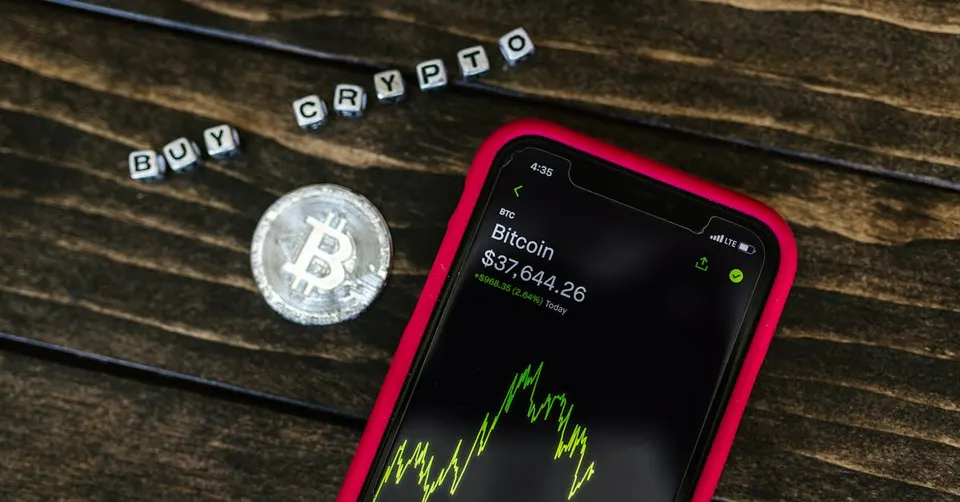
While the Toman reacts to diplomacy, the global crypto market is undergoing a structural shift known as 'capital rotation.' Bitcoin is currently hovering around $77,204, showing signs of exhaustion after its massive run. Interestingly, while Bitcoin and Ether funds are struggling to find new buyers, XRP-linked ETFs are seeing a surge in inflows. This happens because institutional investors often move their profits from 'overheated' assets like Bitcoin into 'laggards'—assets that haven't peaked yet but have strong liquidity. The spike in newly created XRP wallets suggests that retail traders are following the big money, betting that a regulatory breakthrough in the US will favor Ripple's native token.
This rotation is a classic example of how liquidity moves through the ecosystem. When Bitcoin's implied volatility hits a 7-month low, as it has today, it suggests the 'big move' is over for now, and the market is entering a consolidation phase. Furthermore, the security of the ecosystem is being tested and, in some cases, proven. The recent return of over 4,000 ETH by the Verus bridge exploiter—who kept a $2.8 million bounty—shows that the crypto world is maturing. Instead of total losses, we are seeing 'negotiated settlements' between hackers and protocols. For Iranian crypto users, this means that while the headline price of BTC might be boring, the underlying market structure is becoming more robust and professional.
Localized AI and the Future of Your Fintech Tools
Beyond the charts, a technology trend is emerging that will soon change how Iranians interact with their money: localized AI. Finnish phone-maker HMD recently announced it is bundling an Indian AI chatbot that supports 22 local languages onto its devices. This is a massive shift away from 'one-size-fits-all' AI like ChatGPT and toward tools that understand local nuances, slang, and specific economic conditions. In the context of Iran, imagine an AI integrated into your banking app that doesn't just translate English financial news, but understands the specific relationship between the gold coin (Emami) and the global ounce, explaining it in a way that fits the local market psychology.
As we see tech giants move toward localization, the 'Buffett Indicator'—which currently warns of a global market top—becomes a secondary concern for those building real utility. Even if global stocks are 'running on fumes,' the integration of AI into everyday hardware means that the next bull market might be driven by productivity gains rather than just cheap money. For the Arzbin audience, the lesson is clear: don't just watch the price of the dollar or Bitcoin. Watch how technology is making it easier to manage those assets. The future of finance isn't just about what you own, but how intelligently you can move it in a world where diplomacy and technology are constantly shifting the ground beneath your feet.
Concept Diagram
Frequently Asked Questions
What is a 'diplomacy discount' in the Iranian market?
Why is XRP attracting inflows while Bitcoin is struggling near $77k?
How does the Verus bridge exploit return affect my crypto security?
What does localized AI mean for Iranian fintech users?
Understanding Currency Substitution and the Rise of Crypto
Currency substitution, often termed informal dollarization or asset substitution, describes a phenomenon where residents of a country increasingly hold and use foreign currency or alternative assets instead of their domestic currency for transactions, savings, or as a unit of account. This shift typically occurs when the local currency loses its store-of-value function due to high inflation, chronic depreciation, or a general lack of trust in the domestic financial system. For instance, in economies facing severe economic instability or international sanctions, citizens may turn to more stable foreign currencies like the U.S. dollar, or increasingly, to digital assets, to preserve their wealth and facilitate trade.
The drivers behind currency substitution are multifaceted. Persistent high inflation erodes purchasing power, making the local currency an unreliable store of value. Economic instability, characterized by unpredictable policy changes or geopolitical tensions, further diminishes confidence. Crucially, international sanctions can severely restrict access to global financial markets and traditional payment systems, making it difficult to conduct international trade or even simple cross-border transactions using the national currency. In such environments, individuals and businesses seek alternatives that are less susceptible to domestic economic shocks or external restrictions.
In recent years, cryptocurrencies like Bitcoin have emerged as a significant new form of currency substitution, particularly in regions grappling with economic turmoil or sanctions. Their decentralized nature, perceived resistance to government control, and borderless transaction capabilities make them an attractive option for those seeking to bypass traditional financial bottlenecks. For individuals in countries like Iran, where the Toman's value has been volatile and access to international banking limited, cryptocurrencies offer a pathway to protect savings, send remittances, or engage in trade when conventional channels are constrained. This 'crypto rotation' represents a modern evolution of the age-old practice of seeking refuge in more stable assets.
The headline's mention of 'US-Iran mediation' and its impact on the 'Toman’s path' highlights the direct link between geopolitical developments and currency substitution. Should diplomatic efforts lead to a perceived easing of tensions or sanctions, it could potentially bolster confidence in the Toman, reducing the immediate incentive for crypto substitution. Conversely, a breakdown in talks or increased geopolitical uncertainty might accelerate the shift towards cryptocurrencies, as citizens seek safer havens for their capital. This dynamic illustrates how international relations directly influence domestic economic behavior and the adoption of alternative financial instruments.
Understanding currency substitution is vital for comprehending the complex interplay between geopolitics, domestic economic policy, and the evolving role of digital assets. While it can offer a lifeline for individuals in challenging economic circumstances, widespread currency substitution can also complicate a central bank's ability to conduct effective monetary policy, manage inflation, and maintain financial stability. It underscores a fundamental challenge to national sovereignty over economic affairs in an interconnected and increasingly digital world.
Topics
Related Articles

We use cookies for analytics and advertising. You can accept or reject. See ourPrivacy PolicyandCookiesfor details.