From Fake Statues to Bitcoin ETFs: Navigating the 'Proof' Economy in 2026
از مجسمههای تقلبی تا صندوقهای بیتکوین: راهنمای تشخیص اصالت در بازارهای ۲۰۲۶
A high-profile fraud case at Sotheby’s highlights a timeless lesson: in every market, the paper trail is everything. As Bitcoin sees massive ETF outflows and Iran navigates delicate peace talks, we explore how 'proof' and sentiment dictate your purchasing power today.
At time of publishing
USD
178,600
Toman
Gold 18K
19.50M
Toman / gram
Bitcoin
$74,597
US Dollar
Tether
17,591.2
Toman
The Sotheby’s Blunder: When the Paperwork Fails
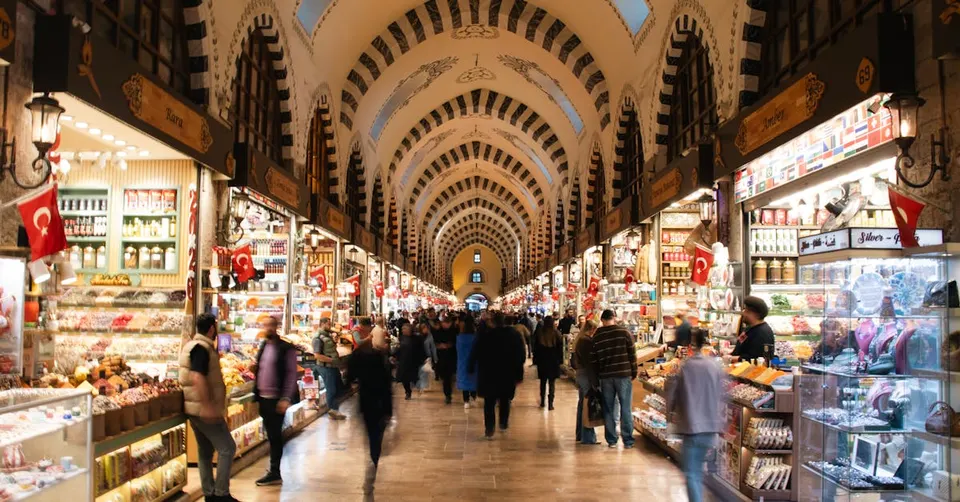
History has a funny way of repeating itself, especially when greed is involved. This week, the art world was rocked by the story of Andrew Crowley, a 46-year-old who attempted to pass off fake ancient statues as inherited treasures at Sotheby’s. His downfall wasn't the statues themselves, but the invoices he forged. The court heard that his 'ancient' paperwork was printed using methods 25 years too modern for the dates they claimed to represent. It is a classic reminder that in any high-stakes market—whether it's ancient Anatolian art or a digital wallet—the 'proof' is often more important than the asset itself.
For the modern investor, this story is a metaphor for the 'due diligence' we often skip. In the crypto world, we rely on the blockchain to be our 'invoice'—an immutable record that cannot be faked by a modern printer. However, as we see in the Iranian market, many still fall for 'fake' opportunities or gray-market deals that lack the transparency of a public ledger. Whether you are buying a 18k gold coin or a fraction of a Bitcoin, the lesson from Sotheby’s remains: if the documentation (or the smart contract) doesn't hold up to scrutiny, the asset is worthless.

, CC BY-SA 2.0]
Bitcoin’s $1.26B Exit: Panic or Opportunity?
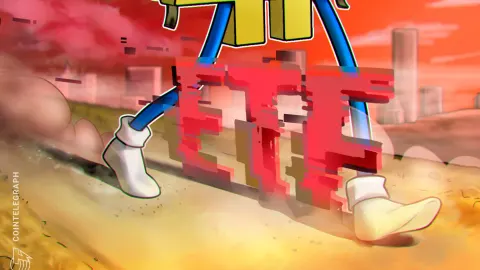
While art fraudsters are being caught in London, the digital asset world is dealing with its own form of uncertainty. Recent data shows a massive $1.26 billion outflow from Bitcoin ETFs. To the uninitiated, this looks like a disaster—a sign that the 'big money' is running for the exits. However, analysts at Santiment suggest this might actually be a 'contrarian' buy signal. Historically, when the crowd panics and pulls money out, the market often finds a bottom. It’s the financial equivalent of 'blood in the streets' being the best time to buy.
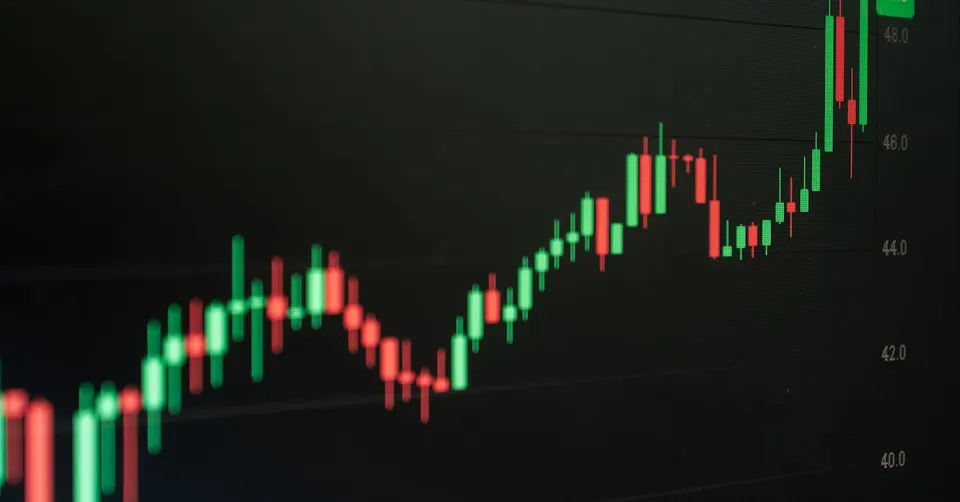
Currently, Bitcoin sits at $74,597. For Iranian traders, these global ETF movements are more than just numbers; they dictate the global sentiment that eventually trickles down to the USDT/IRT exchange rate. When global liquidity dries up, we often see a flight to safety, which can paradoxically strengthen the US Dollar's demand locally. Even as the USD/IRR pair saw a minor dip of 0.2% today (falling from 179,000 to 178,600), the underlying tension in global crypto markets keeps local traders on high alert.
The Iranian Context: Diplomacy and the USDT Premium
Closer to home, the market is breathing a sigh of cautious relief, though the 'fog of war' hasn't fully lifted. Foreign Ministry spokesperson Esmaeil Baqaei recently noted that while negotiations with the US have reached a turning point—evidenced by senior Pakistani officials visiting Tehran—it is still 'too early' to declare a deal. This diplomatic dance is the primary driver of the Toman's current stability. Gold, often the first to react to geopolitical shifts, dropped 0.8% today to 19,498,130 Toman per gram, reflecting a slight cooling of domestic anxiety.
However, the 'oil shock' remains a persistent shadow. With US diplomats like Marco Rubio visiting India to offer energy alternatives, the pressure on Iran’s primary revenue source is palpable. For the average person in Tehran or Mashhad, this means that while the currency might look stable today, the long-term 'inflation hedge'—be it gold or stablecoins—remains a necessity. The USDT is currently trading at 17,591 Toman, maintaining a slight premium that suggests Iranians are still hedging against the possibility that these peace talks might not cross the finish line as smoothly as hoped.
Summary for the Week Ahead
As we move into the final week of May, the intersection of technology and traditional finance has never been more obvious. From the chemical leak evacuations in California affecting aerospace logistics to the tragic coal mine explosion in China, global supply chains are under stress. For the Iranian investor, the strategy should remain focused on 'proof.' Don't buy the hype of a 'imminent deal' or a 'crypto moon' without looking at the underlying data. Like the fake statues at Sotheby's, the most expensive mistake you can make is believing a story that isn't backed by solid evidence.
Frequently Asked Questions
Why did the Bitcoin ETF see $1.26B in outflows?
How does the Sotheby's fraud case relate to cryptocurrency?
Why is the price of Gold falling in Iran despite global tensions?
Is the current USD/IRR rate of 178,600 likely to stay stable?
The Enduring Challenge of Authenticity and Verification in Modern Economies
In an increasingly complex global economy, the concept of authenticity and verification stands as a cornerstone of trust, yet it remains a persistent challenge across diverse asset classes. From ancient artifacts to cutting-edge digital currencies, establishing the genuine nature and true value of an asset is crucial for market integrity and investor confidence. Fraud, whether involving a fake statue at a prestigious auction house or manipulated financial data, fundamentally undermines this trust, highlighting the constant need for robust verification mechanisms.
For traditional assets, authenticity often relies on provenance—the documented history of ownership and origin. In the art world, for instance, a statue's value is inextricably linked to its verifiable past, making expert appraisals and meticulous record-keeping essential. The discovery of forgeries, like the alleged Anatolian stargazer statue fraud or the Sotheby's incident, exposes vulnerabilities even in established markets, demonstrating how sophisticated deception can bypass traditional safeguards and erode trust built over centuries.
The rise of digital assets introduces new paradigms for verification, often leveraging technologies like blockchain to establish immutable records. Bitcoin, for example, derives its authenticity from cryptographic proof and a decentralized ledger, where every transaction is transparently recorded and verified by a network. However, even in this realm, challenges persist. Stablecoins like USDT, which aim to peg their value to fiat currencies, require regular audits and transparent reserves to maintain market confidence, proving that trust in the issuer and the underlying assets remains paramount, despite technological advancements.
Ultimately, navigating what the headline terms the "Proof' Economy" involves a continuous interplay between technological innovation, regulatory oversight, and human vigilance. Whether assessing the genuine nature of a physical object, the integrity of a digital asset, or the reliability of market signals, the ability to discern truth from deception is fundamental. As markets evolve, so too must our methods for establishing authenticity, ensuring that the foundations of economic exchange remain sound.