The ICC Sanctions War: Why Legal Geopolitics Dictates the Toman's 'Risk Premium'
جنگ تحریمها بر سر دادگاه لاهه؛ چرا «حق بیمه ریسک» قیمت دلار را جابهجا میکند؟
As the EU considers a 'blocking statute' against US sanctions on the ICC, the global financial landscape is shifting. Understanding how these legal battles create a 'risk premium' is essential for Iranian investors navigating today's 3% drop in the USD exchange rate.
At time of publishing
USD
170,900
Toman
Gold 18K
18.66M
Toman / gram
Bitcoin
$76,856
US Dollar
Tether
170,510
Toman
The New Front in the Sanctions War
Geopolitics is often viewed through the lens of missiles and oil tankers, but today, the real battle is being fought in courtrooms and legislative chambers. Recently, a former prosecutor at the International Criminal Court (ICC) called for an EU-wide 'blocking statute' to shield officials from what she described as 'thuggish' US sanctions. These sanctions were imposed after the ICC issued arrest warrants for high-ranking officials. For an Iranian investor, this isn't just distant legal drama; it is a masterclass in how 'extra-territorial sanctions'—the same tools used against Iran—are now creating friction between the world's largest economies.
A blocking statute is essentially a legal umbrella. It tells domestic companies and individuals that they are forbidden from complying with foreign sanctions, and it allows them to recover damages caused by those sanctions. When the US and the EU clash over the legality of the ICC's actions, it creates a 'fragmented' financial world. This fragmentation makes global markets nervous, and in the world of finance, nervousness has a specific price tag: the Risk Premium.

Understanding the 'Risk Premium'
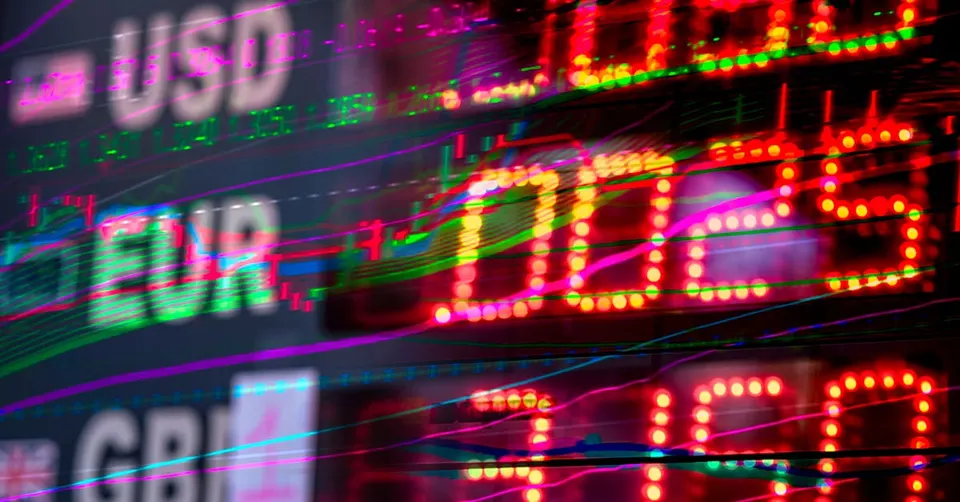
Why did the USD/IRR rate drop from 176,100 to 170,900 (-3.0%) today? While rumors of a peace deal are circulating, the underlying volatility is driven by the 'Risk Premium.' Think of the Risk Premium as an invisible 'tax' added to the price of an asset (like the Dollar or Gold) because of uncertainty. When the IRGC chief warns of a 'devastating' response to aggression, or when we hear tragic stories of missile strikes in the Strait of Hormuz, that invisible tax goes up. People buy Dollars not because they need them for travel, but as insurance against the 'what if.'
However, when news breaks about potential diplomatic breakthroughs or legal shields like the EU's proposed blocking statute, that Risk Premium begins to evaporate. Today's 2.8% drop in 18k gold prices is a direct reflection of this 'cooling off' period. Investors are essentially saying, 'The world feels slightly less dangerous than it did yesterday, so I don't need to pay as much for my insurance policy.' Understanding this concept helps you realize that price movements in Tehran are often less about domestic economics and more about the global 'anxiety index.'
The Human Cost and the Market's Memory
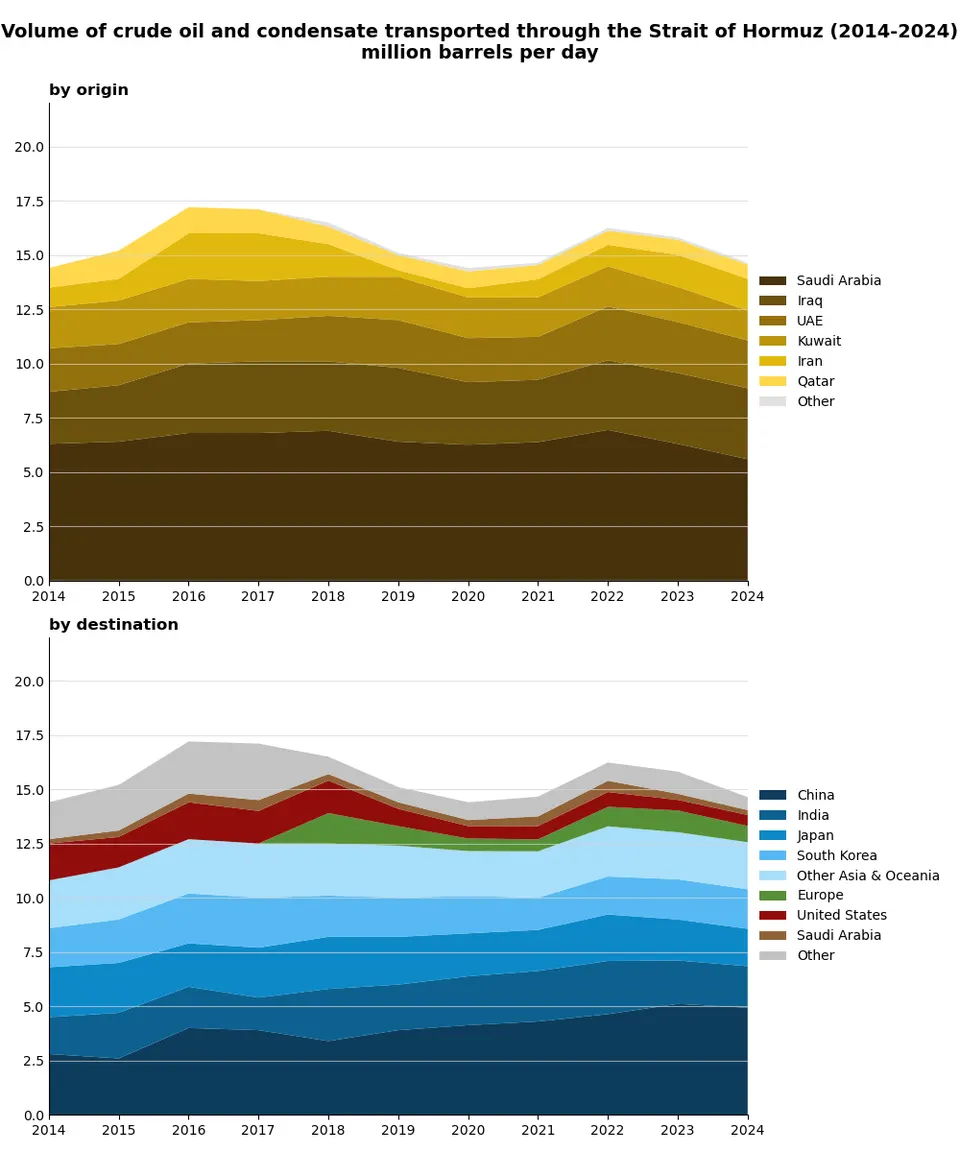
We must also look at the human element that anchors these numbers. The story of Sunil Puniya, a survivor of a missile strike on an oil tanker in the Strait of Hormuz, serves as a grim reminder of why markets react so violently to regional tension. The Strait is the world's most important oil chokepoint, and any disruption there sends shockwaves through global energy prices and, by extension, the Iranian Toman. Even as we see a 3.7% drop in the Emami coin price today, the memory of such conflicts keeps the market on high alert.
Furthermore, the ongoing conflict in Ukraine, with recent Russian attacks on Kyiv causing casualties, reminds us that the global 'Risk Map' is interconnected. When Russia uses intermediate-range missiles, it changes the West's appetite for risk, which can lead to tighter enforcement of sanctions elsewhere, including Iran. As an investor, your job is to look past the daily price fluctuations and ask: 'Is the world becoming more or less fragmented?' Today's rally in the Toman suggests a temporary sigh of relief, but the legal war over the ICC proves that the architecture of global sanctions is becoming more complex, not less.
Frequently Asked Questions
What is a 'Risk Premium' in the context of the Iranian market?
How does the EU's 'blocking statute' affect Iranian sanctions?
Why did Gold and Coin prices drop more than the Dollar today?
Does the conflict in Ukraine actually impact the price of the Toman?
Understanding Risk Premium: Geopolitics and Your Money
At its core, a Risk Premium is the extra return an investor demands for taking on a riskier asset compared to a risk-free one. Imagine you have two investment options: one guaranteed to return 2% and another that might return 5% but carries a significant chance of losing money. The difference between the potential 5% and the guaranteed 2% (i.e., 3%) is the risk premium you'd demand for choosing the riskier option. This concept applies broadly across financial markets, from stocks and bonds to currencies and commodities.
When we talk about a country's currency, like the Iranian Toman, geopolitical factors significantly influence its perceived risk. Events such as international sanctions (like those from the ICC), legal disputes (e.g., the EU blocking statute), and regional tensions (such as in the Strait of Hormuz) dramatically increase the uncertainty and potential for economic disruption. These factors make the Toman a riskier asset for both domestic and international investors. Consequently, investors demand a higher risk premium to hold Toman-denominated assets or even to conduct transactions involving the currency.
This elevated risk premium manifests in several ways. For the Toman, it often translates into a depreciating exchange rate against more stable currencies like the US Dollar (USD/IRR). People holding Toman might seek to convert it into assets perceived as safer, such as physical gold or Emami coins, driving up their local prices. It also makes it more expensive for the country to borrow internationally (if it could) and can deter foreign direct investment, further impacting economic stability and growth prospects.
Ultimately, the concept of a risk premium in geopolitical finance highlights how non-economic factors—like legal frameworks, international relations, and regional conflicts—can directly dictate the financial value and stability of a nation's currency and assets. For a currency like the Toman, constantly navigating a complex web of international pressures, understanding the risk premium is key to comprehending its market dynamics and the broader economic challenges faced by the country.