

The $322 Billion Shadow Bank: Why Your USDT is More Than Just a Digital Dollar
بانک سایه ۳۲۲ میلیارد دلاری: چرا تتر شما فراتر از یک دلار دیجیتال ساده است؟
As stablecoins grow larger than the foreign exchange reserves of 95 nations, the crypto market is evolving into a global macro-hedge tool. From betting on inflation via Hyperliquid to navigating social media bans, the digital economy is no longer just about price charts—it is about financial sovereignty.
At time of publishing
USD
173,400
Toman
Gold 18K
18.98M
Toman / gram
Bitcoin
$76,646
US Dollar
Tether
171,348
Toman
The Era of the Digital Reserve
For years, critics dismissed stablecoins as a niche experiment for crypto traders. However, today’s market data tells a staggering new story. With a total market value of $322 billion, stablecoins now hold more fiat currency value than the official foreign exchange reserves of 95 different nations. This isn't just a milestone for blockchain enthusiasts; it represents a fundamental shift in how the world moves and stores value outside the traditional banking system. For an Iranian investor, this is the most critical metric to watch. When you hold Tether (USDT), currently trading at 171,348 Toman, you are participating in a global liquidity pool that is effectively larger than the central bank reserves of many mid-sized economies.
This massive scale provides the stability that allows USDT to maintain its peg, even when local Iranian markets face volatility. Today, we see the USD/IRR pair hovering around 173,400 Toman, a slight 0.1% decrease from yesterday. The fact that USDT remains a preferred vehicle for Iranians is not just about convenience; it is about the sheer depth of the global stablecoin market. When a market is this large, it becomes resistant to localized shocks, providing a unique 'inflation hedge' that traditional local assets sometimes struggle to match. As global liquidity shifts, the 'digital dollar' is becoming the primary sanctuary for those looking to escape the erosion of purchasing power.

Betting on the Big Picture: Macro Prediction Markets
Beyond simply holding dollars, the technology is evolving to allow users to trade the news itself. A new development from the decentralized exchange Hyperliquid, known as HIP-4, is now allowing traders to place bets on 'off-chain' macro outcomes like inflation rates and interest rate decisions. In the past, if you wanted to profit from an accurate prediction about US Federal Reserve policy or global inflation trends, you needed a complex brokerage account and significant capital. Now, these 'macro outcome bets' are becoming accessible to anyone with a crypto wallet.
This matters because it changes the 'why' behind crypto usage. Instead of just guessing if Bitcoin (currently stalling at $76,646) will go up or down, investors can now hedge their real-world risks. For example, if you believe global inflation will spike, you can take a position that pays out if that specific event occurs. It turns the entire world of geopolitical news into a tradable asset class. When we hear US Secretary of State Rubio discussing the end of the Ukraine war or see US-Iran peace negotiations in Qatar, these aren't just headlines—they are data points that will soon have direct, tradable markets attached to them in the decentralized world.
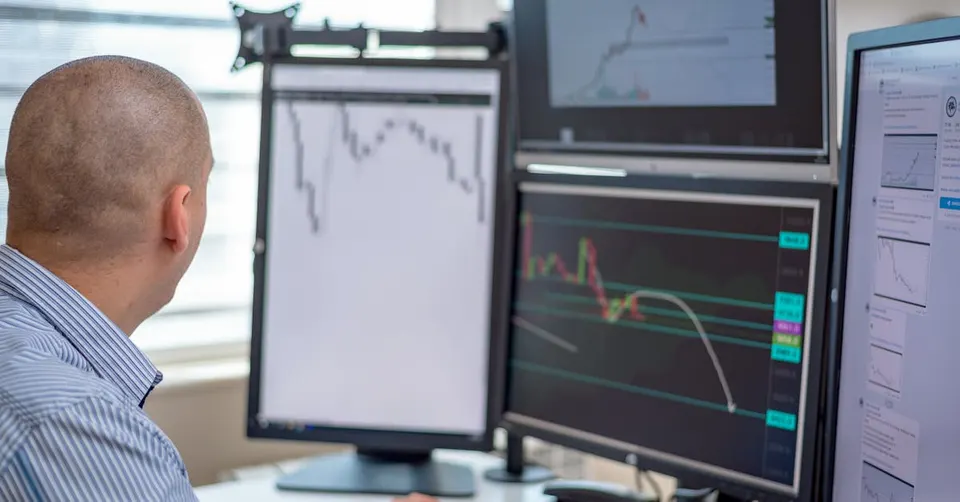
The Digital Tug-of-War: Sovereignty vs. Safety
As these financial tools become more powerful, governments are reacting with increased scrutiny and control. We see this in the UK and Australia, where discussions about banning social media for under-16s are intensifying. While this may seem unrelated to finance, it is part of a broader trend of 'digital sovereignty' where states attempt to define the boundaries of the internet. For the fintech user, this is a reminder that the platforms we use for information and trading are always under the lens of regulators. The tension between protecting users—such as from the $400,000 Uniswap phishing scams on Google—and maintaining an open, free market is the defining conflict of our decade.
For the Iranian user, the lesson is clear: as the digital economy grows, so does the sophistication of the risks. While gold (currently 18,977,330 Toman per gram) remains a physical anchor, the digital world requires a new kind of vigilance. Education is your only defense against the phishing ads that have already drained nearly half a million dollars from unsuspecting Uniswap users. The future of finance is decentralized and global, but it is also a frontier that requires you to be your own bank, your own researcher, and your own security officer. As the lines between 'crypto' and 'real money' continue to blur, understanding these macro shifts is no longer optional—it is essential for survival.
Concept Diagram
Frequently Asked Questions
Why is the price of USDT usually different from the paper USD in Tehran?
How can I actually 'bet' on inflation using crypto?
Is a $322 billion market cap enough to keep USDT stable?
What should I do to avoid the Uniswap scams mentioned in the news?
Stablecoins: A Digital Lifeline in Turbulent Economies
Stablecoins like Tether (USDT) are digital cryptocurrencies designed to maintain a stable value, typically pegged 1:1 to a fiat currency like the US dollar. Initially conceived to facilitate seamless trading within the volatile cryptocurrency ecosystem, they offer a bridge between traditional finance and the decentralized world. Unlike Bitcoin or Ethereum, whose prices fluctuate wildly, stablecoins aim to provide the stability of fiat money with the speed and borderlessness of blockchain technology, making them a crucial tool for both everyday transactions and complex financial strategies.
However, stablecoins have evolved beyond their initial purpose, becoming a vital financial instrument in economies grappling with hyperinflation, severe currency devaluation, or stringent capital controls. In countries like Iran, where the local currency might be rapidly losing value and access to foreign exchange is restricted, USDT often trades at a significant premium over the official exchange rate. For individuals and businesses, stablecoins offer a practical alternative to preserve wealth, conduct international trade, and access a more stable store of value when their national currency is failing.
This role often places stablecoins within a "shadow banking" system, operating largely outside traditional financial regulations. While this offers flexibility and accessibility, it also introduces unique risks, including regulatory scrutiny and the potential for fraud or instability if the underlying reserves are not fully backed or transparently managed. Nevertheless, for many, the benefits of bypassing a failing traditional system outweigh these risks, providing a form of digital financial sovereignty where conventional options are scarce or unreliable.
The stability of stablecoins hinges critically on the reserves held by their issuers. In Tether's case, these reserves typically consist of cash, cash equivalents, short-term corporate bonds, and other assets. The integrity and transparency of these reserves are paramount, as they determine the stablecoin's ability to maintain its peg to the underlying fiat currency. Understanding this backing mechanism is essential for users, especially those relying on stablecoins as a primary hedge against economic instability, as any doubt about the reserves can lead to a loss of trust and a de-pegging event.
Topics
Related Articles



We use cookies for analytics and advertising. You can accept or reject. See ourPrivacy PolicyandCookiesfor details.