The Butterfly Effect: How Taiwan Arms Sales and Gulf Tensions Move the Price of Gold in Tehran
اثر پروانهای: چگونه فروش سلاح به تایوان و تنشهای خلیج فارس قیمت طلا را در تهران جابجا میکند
When a superpower pauses a multi-billion dollar arms deal halfway across the world, your local gold shop feels the vibration. Discover how the 'war premium' and geopolitical uncertainty directly impact the Toman's value and your investment strategy.
At time of publishing
USD
173,000
Toman
Gold 18K
18.80M
Toman / gram
Bitcoin
$75,715
US Dollar
Tether
172,098
Toman
The Invisible Thread Between Taipei and Tehran
Geopolitics often feels like a high-stakes game of chess played by people in suits far away, but for the Iranian investor, it is the heartbeat of the market. Today’s headlines regarding the potential pause in U.S. arms sales to Taiwan due to the ongoing conflict in the Gulf—dubbed 'Operation Epic Fury'—provide a masterclass in how global events are interconnected. While analysts argue whether a $14 billion weapons package for Taiwan is truly being delayed by Middle Eastern tensions, the mere suggestion of such a link creates ripples in the financial world. For a trader in Tehran, this isn't just news about fighter jets; it is a signal about where global liquidity and 'risk' are headed.
When the world’s largest economy signals that its resources are being stretched or redirected, markets interpret this as a rise in global instability. This instability acts like a magnet for capital, pulling it out of 'risky' assets like emerging market currencies and pushing it into 'safe havens.' Today, we see Gold hovering at a staggering $4,489.90 per ounce. This isn't a coincidence. Gold thrives on uncertainty. When the U.S. military posture shifts, even slightly, investors globally buy gold to protect their wealth, which in turn keeps the price of 18k gold in Iran at elevated levels like today's 18,802,807 Toman per gram.
Understanding the 'War Premium' in Your Pocket
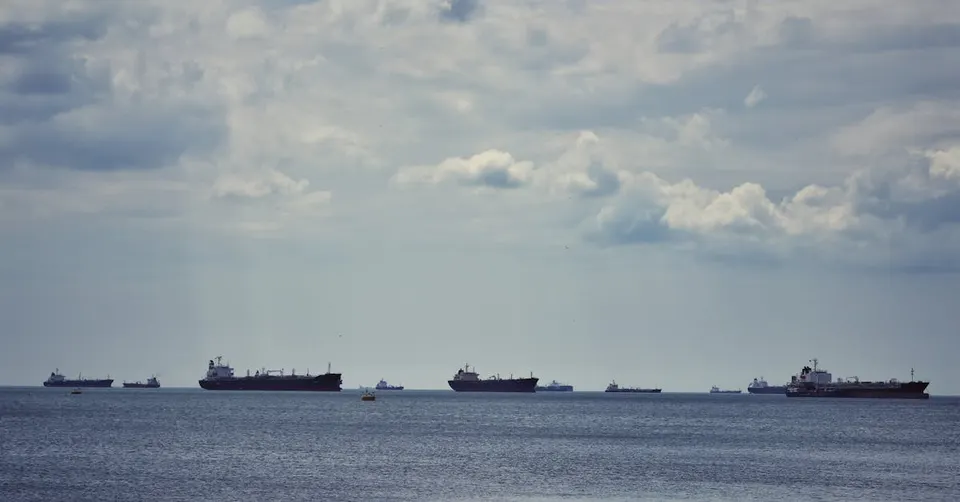
What exactly is a 'war premium'? Think of it as a surcharge that the world adds to the price of everything when people are afraid. When tensions rise in the Strait of Hormuz or the Gulf, the cost of insuring ships goes up, the price of oil fluctuates, and the 'perceived risk' of holding local currencies increases. Even though the USD/IRR remains stable today at 173,000 Toman, the underlying pressure is always there. The news that European nations are launching emergency fertilizer plans due to Hormuz disruptions shows that the economic cost of conflict isn't just about bullets; it’s about the bread on your table and the cost of the dollar in your app.
This premium is why we see Bitcoin struggling to break past certain levels, currently sitting at $75,715. While crypto is often seen as 'digital gold,' in moments of extreme geopolitical friction, it can behave like a tech stock. If investors fear a wider escalation that could disrupt global internet infrastructure or energy supplies, they might flee to physical gold instead of digital assets. This tug-of-war between different types of 'safety' is what dictates your portfolio's daily performance. The Taiwan-Iran link is a reminder that in 2026, no market is an island.
Why 'Noise' Matters as Much as Reality
In the world of finance, perception is often more powerful than reality. As noted in recent reports, some experts doubt that the Taiwan arms pause is actually caused by the Iran war, suggesting it might be a political maneuver or a logistical delay. However, the market doesn't always wait for the truth. Markets react to the possibility of risk. This is why we see 'scare campaigns' mentioned by politicians; they know that words alone can move the needle on exchange rates and consumer confidence.
For the everyday user of Arzbin, the lesson is clear: don't just watch the price, watch the narrative. If you see headlines about global supply chain shifts—like Taiwan’s AI-driven economy booming while others feel left out—understand that these shifts eventually dictate which currencies are strong and which are weak. By understanding that a delay in a missile shipment to the Pacific can affect the gold coin (Emami) price of 183,000,000 Toman in Tehran, you become a proactive investor rather than a reactive one. Stay informed, look for the 'why' behind the 'what,' and remember that in a globalized world, every event has a price tag attached to it.

Frequently Asked Questions
What is a 'war premium' and how does it affect the Toman?
Why is gold rising when the US and Taiwan are in the news?
Does Bitcoin act like gold during a war?
Safe Haven Assets: Gold's Role in Geopolitical Uncertainty
In times of global instability, investors often seek refuge in what are known as safe haven assets. These are investments that are expected to retain or even increase in value during periods of market turbulence, economic downturns, or geopolitical crises. Unlike riskier assets like stocks, which can plummet during uncertainty, safe havens offer a perceived sense of security. Common examples include government bonds from stable economies, certain currencies like the Swiss Franc or Japanese Yen, and most notably, precious metals like gold.
Gold, in particular, has historically served as the quintessential safe haven asset. Its appeal stems from its intrinsic value, universal acceptance, and limited supply, making it less susceptible to the inflationary pressures or political whims that can devalue fiat currencies. When geopolitical tensions escalate – whether due to conflicts, trade wars, or political instability in key regions – investors often divest from riskier holdings and flock to gold. This increased demand drives up its price, reflecting a global flight to safety.
This phenomenon is often compounded by what is known as a "war premium." A war premium refers to the additional price increase in an asset, commodity, or currency specifically driven by the fear or reality of armed conflict. For gold, a looming war or heightened regional tensions (such as those in the Persian Gulf or concerns over Taiwan) can cause its price to surge beyond what typical supply and demand dynamics might suggest. This premium reflects the market's anticipation of economic disruption, increased inflation, and a general loss of confidence in other assets.
For individuals in regions directly affected by geopolitical instability, like Iran, the demand for gold as a safe haven can be even more pronounced. Against a backdrop of potential currency depreciation (like the USD/IRR exchange rate fluctuations) and economic sanctions, gold offers a tangible store of wealth that is less vulnerable to local political and economic shocks. Understanding safe haven assets, especially gold and the war premium, is crucial for comprehending how seemingly distant geopolitical events can directly influence local market prices and individual financial decisions globally.