

Geopolitical Tensions Spill into Crypto: How Global Instability Affects Your Investments
تنشهای ژئوپلیتیکی به ارزهای دیجیتال سرریز میشود: بیثباتی جهانی چگونه بر سرمایهگذاری شما تأثیر میگذارد؟
Escalating global tensions, from Eastern Europe to the Middle East, are creating ripples across financial markets, including the volatile world of cryptocurrency. Understanding these connections can help you navigate the uncertainty and protect your portfolio.
At time of publishing
USD
172,600
Toman
Gold 18K
18.92M
Toman / gram
Bitcoin
$73,736
US Dollar
Tether
173,233
Toman
Global Tensions and the Crypto Market
Recent events have underscored the intricate link between international stability and the digital asset market. As NATO's Jens Stoltenberg condemns Russia's 'reckless behaviour' following drone strikes near Romania's border [0], and the US and Iran inch closer to a 60-day deal to reopen the Strait of Hormuz [2, 10], the global sentiment meter swings wildly. This geopolitical chess match directly impacts investor appetite for risk. When geopolitical skies darken, investors often flee to perceived safe havens, which can sometimes include traditional assets like gold, but also, paradoxically, stable cryptocurrencies like USDT. However, the broader crypto market, particularly riskier assets like Bitcoin, tends to suffer as capital retreats from speculative ventures.
This flight to safety or risk-off sentiment is a well-established phenomenon. The fear of conflict, sanctions, or supply chain disruptions can trigger a sell-off in riskier assets. For instance, news of potential agreements or escalations in the Middle East can send shockwaves through oil markets, which in turn influence broader economic forecasts and, consequently, the cryptocurrency market. While Bitcoin has shown resilience, its price action is increasingly correlated with macroeconomic trends and global risk sentiment. The recent dip in Bitcoin to a seven-week low, followed by a rebound on hopes of an Iran truce extension [20], illustrates this delicate dance. Investors are constantly weighing the potential for conflict against the prospect of de-escalation, and their decisions are reflected in Bitcoin's price swings.
---
The 'Safe Haven' Paradox: Why USDT Matters in Uncertain Times
In times of global unease, the demand for stability becomes paramount. This is where stablecoins, particularly Tether (USDT), play a crucial role. USDT aims to maintain a 1:1 peg with the US dollar, offering a digital refuge for investors seeking to preserve capital without exiting the crypto ecosystem entirely. When markets become too volatile or geopolitical risks spike, traders might convert their volatile crypto holdings into USDT to wait out the storm. This increased demand can sometimes even push USDT's market price slightly above its intended dollar peg in local exchanges, as we see USDT trading at 173,233 Toman today, reflecting a premium over the official USD/IRR rate.
However, the stability of stablecoins is not guaranteed. Their backing mechanisms, transparency, and regulatory oversight are subjects of ongoing scrutiny. While Paxos, a major player in the stablecoin space, has received approval as a 'blockchain-native' clearing agency [3], signaling increasing institutional interest, the underlying trust in stablecoins remains a critical factor. For Iranian investors, who often operate in a complex economic and regulatory environment, USDT offers a seemingly accessible gateway to a global digital asset market. The premium observed in local Toman pricing for USDT can be attributed to both global demand for stability and local currency dynamics, including exchange rate expectations and capital controls.
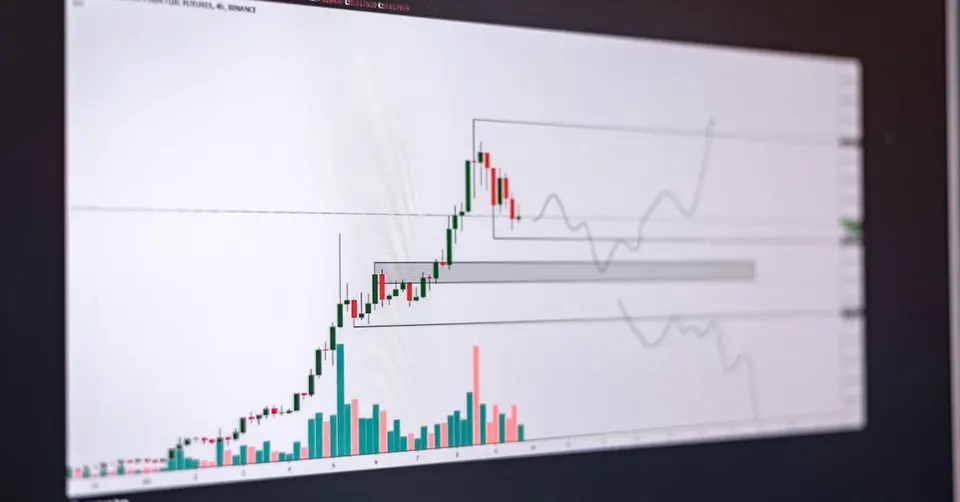
---
Bitcoin's Holdouts and What They Mean for You
Digging deeper into the crypto market, recent analysis from CryptoQuant suggests that major Bitcoin holders, or 'whales,' are pausing their buying activity, a trend that has historically preceded periods of price weakness [4, 5]. This observation is significant because these large holders often have the capacity to influence market movements. Their hesitation to accumulate more Bitcoin could signal a lack of conviction in the short-to-medium term price outlook, or perhaps a strategic wait-and-see approach given the current geopolitical climate and mixed signals from institutional investors.
For the average investor, especially those in Iran, this data point is a crucial reminder that the crypto market is not solely driven by technological innovation but also by the collective psychology and actions of its major players. While institutional demand for Bitcoin ETFs has shown some weakness, the long-term holder supply remains high, indicating a segment of the market still believes in Bitcoin's future value. The challenge for readers is to discern whether this is a temporary pause before a renewed rally or the beginning of a more sustained downturn. Understanding these on-chain metrics, alongside global news, provides a more nuanced picture than simply following price charts alone. As Wall Street veterans predict both the S&P 500 and gold could reach $10,000 by the end of the decade [15], the question remains: where does Bitcoin fit into this long-term wealth preservation narrative amidst global uncertainty?

---
The Bigger Picture: Risk, Reward, and Iranian Investors
The current market environment, shaped by geopolitical events in Eastern Europe and the Middle East, coupled with evolving trends in the crypto space, presents a complex landscape for investors everywhere, including in Iran. The delicate dance between seeking safe havens, like gold or stablecoins, and pursuing higher returns through volatile assets like Bitcoin, is a perpetual challenge. The recent news regarding potential US-Iran agreements [2, 10] could, if materialized, reduce immediate geopolitical risk, potentially boosting risk appetite and benefiting assets like Bitcoin. Conversely, any escalation or breakdown in negotiations could trigger renewed market jitters.
For Iranian readers, these global dynamics are amplified by local economic factors, currency fluctuations, and sanctions. The USD/IRR exchange rate, while showing no change today at 172,600 Toman, is always a critical barometer of economic confidence. Gold prices, however, have seen a slight increase, with 18k gold per gram rising by 0.4% to 18,919,156 Toman, indicating some demand for traditional inflation hedges. Understanding how international events translate into local market movements—whether in currency, gold, or crypto—is key to making informed investment decisions. It’s about recognizing that your local market is not an island; it’s deeply interconnected with the global financial and geopolitical stage.

Concept Diagram
We use cookies for analytics and advertising. You can accept or reject. See ourPrivacy PolicyandCookiesfor details.