Institutional Gold: Why BlackRock and Global Dignitaries are Reshaping Your Portfolio's Safety
طلای نهادی؛ چرا بلکراک و سران کشورها در حال بازتعریف امنیت سبد دارایی شما هستند؟
As Tehran hosts world leaders for a historic farewell, global markets are seeing a massive shift in how 'safety' is bought. We explore why Bitcoin ETFs are hitting record inflows and what the 1.1% rise in local gold tells us about the Iranian investor's psyche.
At time of publishing
USD
175,050
Toman
Gold 18K
17.86M
Toman / gram
Bitcoin
$61,610
US Dollar
Tether
175,612
Toman
The Tehran Context: Markets in a Moment of Transition
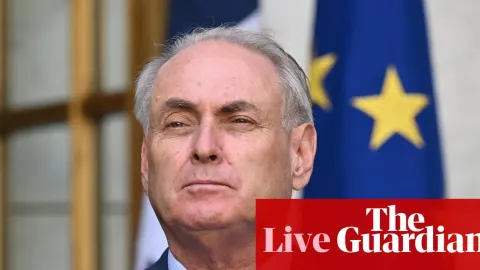
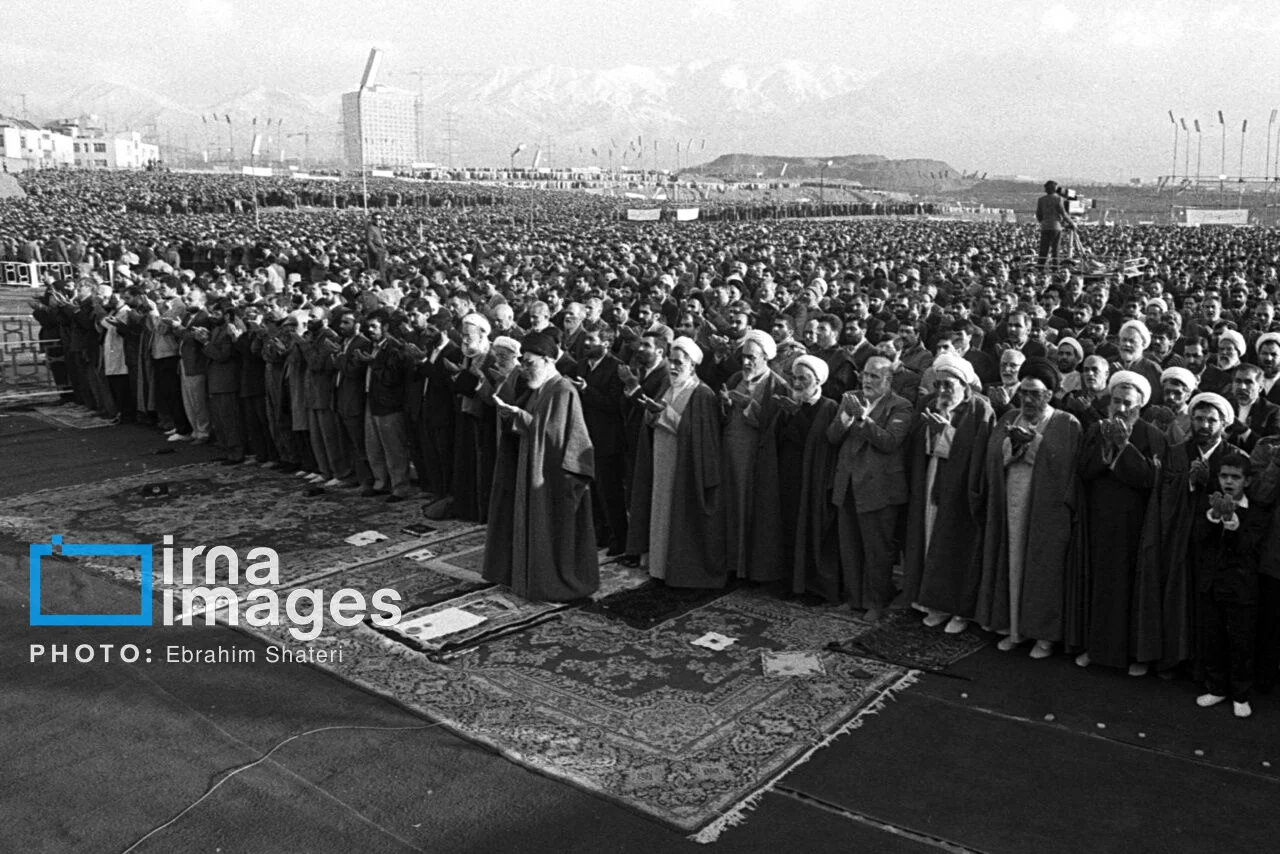
Today, the atmosphere in Tehran is one of solemnity and high-level diplomacy. As the Islamic Republic News Agency (IRNA) releases rare archival photos of Ayatollah Seyyed Ali Khamenei from the early 1990s, the city is also seeing an influx of regional power players. With the arrival of Tajik President Emomali Rahmon and Pakistani Interior Minister Mohsin Naqvi, the geopolitical weight of the capital is palpable. For the average investor, these moments of national transition often trigger a 'wait-and-see' approach, which explains why the USD/IRR remains flat at 175,050 Toman. Markets are digesting the visual of regional unity while looking for clues about the next era of economic policy.
While the currency remains static, the underlying sentiment is anything but. The presence of foreign dignitaries and the focus on internal stability usually stabilize the Rial in the short term, but the 'smart money' is already looking at the secondary effects. When regional leaders gather, trade agreements and security pacts are often discussed on the sidelines. For Iranian traders, the stability of the dollar today is a sign of market maturity—a refusal to panic-buy during a period of state mourning, choosing instead to watch how these diplomatic ties might influence future sanctions or trade routes.

The $200 Million Wall of Institutional Money
While Tehran looks inward, the global crypto market is experiencing a massive 'institutional hug.' For the first time since May, US spot Bitcoin ETFs have seen daily inflows exceeding $221 million. This isn't just retail hype; this is the entry of giants like BlackRock and Fidelity. Institutional adoption means that Bitcoin is no longer just a 'magic internet coin' for tech enthusiasts. It has become a regulated financial product that pension funds and insurance companies can buy with a single click. This shift is why Bitcoin has reclaimed the $61,610 level despite broader global uncertainty.
What does this mean for the user in Tehran? It means the 'floor' for Bitcoin is becoming much firmer. In the past, Bitcoin could drop 20% on a whim. Today, with billions of dollars of institutional capital locked in ETFs, the volatility is slowly being dampened—or at least, the recovery is faster. As BlackRock and others embrace BTC, they are essentially validating the 'Digital Gold' narrative. If you are holding USDT (currently at 175,612 Toman), you are essentially holding the bridge to this new institutional world, where crypto is as mainstream as a bank bond.

Gold’s 1.1% Jump: The Local Hedge of Choice
Despite the dollar remaining unchanged, 18k gold in Iran rose by 1.1% today, reaching 17,860,935 Toman per gram. This divergence is fascinating. Usually, gold and the dollar move in lockstep in the local market. When they decouple, it often indicates that the global price of gold (currently at a staggering $4,174.40 per ounce) is doing the heavy lifting. Iranian investors are using gold as a double-layered shield: it protects them against local currency devaluation and benefits from the global rush toward safe-haven assets during times of conflict, such as the recent tragic blast in Damascus.
Choosing between Gold and Bitcoin—often called 'Digital Gold'—is the modern investor's dilemma. While Bitcoin offers higher potential returns, as seen with the recent ETF inflows, physical gold remains the psychological anchor for the Iranian market. The 1.1% rise today, even as Emami coins stayed flat at 177 million Toman, shows that the 'raw' value of gold is being repriced upward. For those looking to preserve wealth, the lesson is clear: diversification isn't just a buzzword; it's a necessity when global and local signals are sending different messages.

AI and the New Geopolitical Asset Class
Finally, we must look at the technology reshaping the very tools we use to trade. Recent reports suggest OpenAI is in talks to give the US government a 5% stake in the company. This is a massive signal that Artificial Intelligence is now considered a 'national security asset,' much like oil or gold. For the Iranian fintech observer, this means the tools of the future—AI-driven trading bots, sentiment analysis, and market forecasting—are becoming part of a larger geopolitical game. As AI companies attempt to smooth relations with political figures like Donald Trump, the accessibility of these tools might become a new frontier for sanctions and technological barriers.
Understanding these shifts allows the savvy investor to look past the daily price of the dollar. We are moving into an era where wealth is not just about what you own, but what technology you have access to. Whether it's the institutionalization of Bitcoin through ETFs or the nationalization of AI through government stakes, the rules of the game are being rewritten. Stay curious, stay diversified, and remember that in a world of 1.1% gold jumps and $200 million crypto inflows, information is the only asset that never loses its value.
Concept Diagram
Frequently Asked Questions
Why did 18k gold rise 1.1% today if the USD/IRR price didn't change?
What does the $221 million inflow into Bitcoin ETFs mean for me as an Iranian trader?
How do geopolitical events like the state funeral in Tehran affect my investments?
Is the 5% stake of the US government in OpenAI a risk for crypto users?
Bitcoin as 'Digital Gold' and its Institutionalization through ETFs
The financial world is witnessing a profound shift as major institutions, exemplified by firms like BlackRock, increasingly embrace Bitcoin, often dubbing it 'digital gold.' This concept positions Bitcoin as a modern alternative to traditional gold, sharing key attributes such as scarcity, immutability, and decentralization. Like gold, Bitcoin is seen by many as a hedge against inflation and economic instability, offering a store of value independent of government-controlled fiat currencies. Its fixed supply cap of 21 million coins, in particular, underpins its scarcity argument, mirroring gold's finite availability.
However, accessing and managing cryptocurrencies like Bitcoin has historically posed challenges for large institutional investors due to regulatory uncertainties, security concerns, and operational complexities. This is where the advent of Bitcoin Exchange Traded Funds (ETFs) becomes a game-changer. Bitcoin ETFs, such as those recently launched by BlackRock, provide a regulated and accessible gateway for institutions to gain exposure to Bitcoin's price movements without directly holding the cryptocurrency itself. These funds are traded on traditional stock exchanges, simplifying the investment process and integrating Bitcoin into established financial frameworks.
For institutional investors, Bitcoin ETFs offer several advantages: enhanced liquidity, professional management, and compliance with existing regulatory standards. By packaging Bitcoin into a familiar investment vehicle, ETFs significantly lower the barrier to entry for pension funds, endowments, and wealth managers who might otherwise be hesitant to navigate the complexities of crypto exchanges. This institutional embrace marks a pivotal moment, legitimizing Bitcoin further and potentially reshaping how portfolios are diversified for safety and growth in an increasingly digital global economy.
Ultimately, the rise of Bitcoin ETFs signifies a maturation of the cryptocurrency market. It bridges the gap between the innovative, decentralized world of digital assets and the structured, regulated environment of traditional finance. As institutions allocate capital to these products, they are not only validating Bitcoin's role as a potential 'digital gold' but also fundamentally altering the landscape of investment portfolios, offering a new dimension to asset allocation and risk management.