Diplomatic Capital and the 'Fear Floor': Why Tehran’s Mourning and Bitcoin’s Slump Matter for Your Wallet
سرمایه دیپلماتیک و «کف ترس»: چرا مراسم تهران و رکود بیتکوین برای کیف پول شما مهم است؟
As global leaders gather in Tehran, the Iranian Toman shows a slight recovery while Bitcoin investors grapple with a 43-month low in profit ratios. Learn how diplomatic shifts and crypto's 'extreme fear' phase are creating a unique entry point for strategic investors.
At time of publishing
USD
174,600
Toman
Gold 18K
17.61M
Toman / gram
Bitcoin
$62,421
US Dollar
Tether
174,290
Toman
The Power of Diplomatic Capital in Volatile Markets
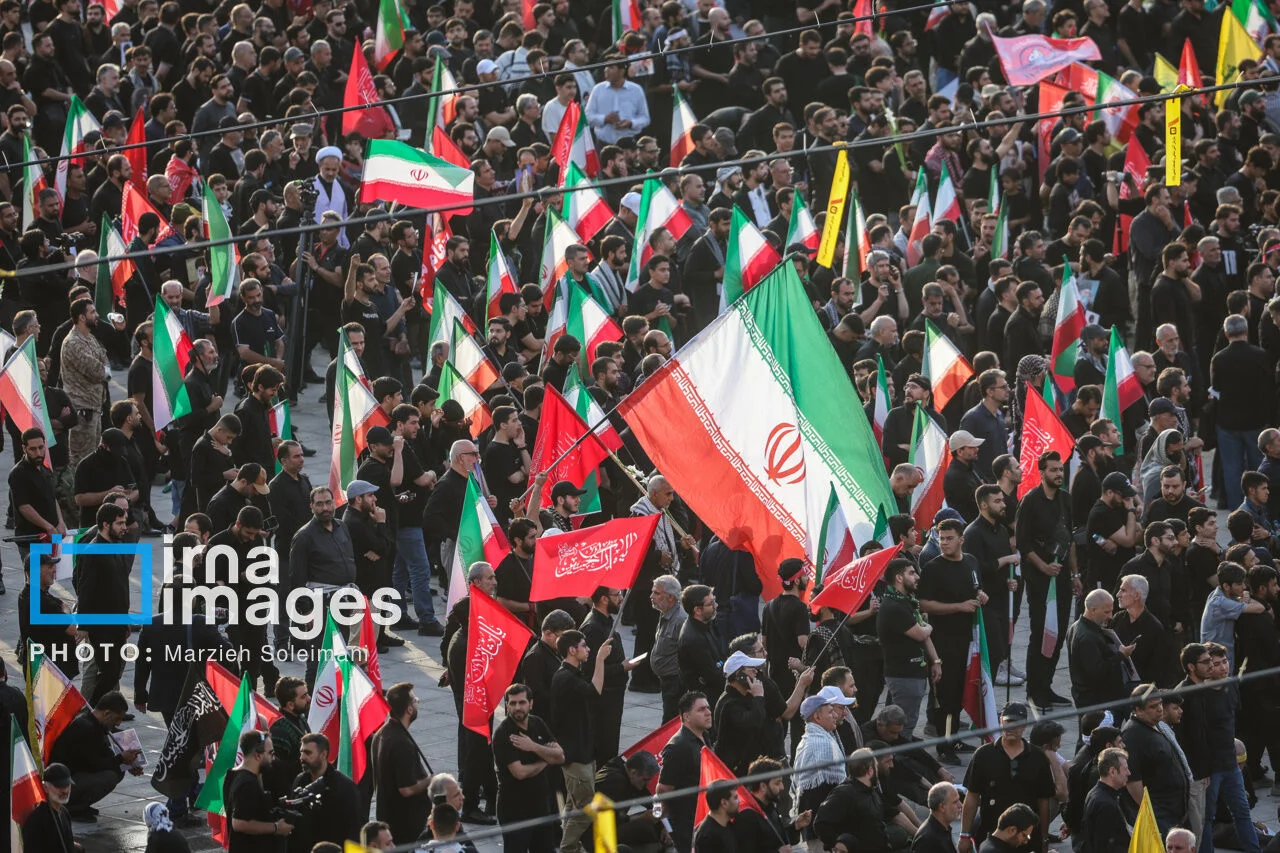
On this Saturday, July 4, 2026, the atmosphere in Tehran is heavy with both mourning and high-stakes diplomacy. As representatives from Nicaragua, Georgia, Kyrgyzstan, and Kazakhstan arrive at the Grand Mosalla to pay tribute to the late Leader, the markets are reacting not just to the event, but to the underlying message of international alignment. For an Iranian investor, these diplomatic visits are more than just ceremonial; they represent 'Diplomatic Capital.' When the Nicaraguan Foreign Minister or the Georgian President visits during a period of heightened tension, it signals to the market that the isolation sought by adversaries is not absolute. This psychological cushion is partly why we see the USD/IRR rate softening slightly today, moving from 175,050 to 174,600 Toman, a modest 0.3% decrease.
Understanding the link between diplomacy and your bank account is crucial. In the Iranian context, the exchange rate is often a 'fever thermometer' for geopolitical health. When Parliament Speaker Ghalibaf notes that 'days of war are the yardstick for recognizing true friends,' he is speaking to the long-term trade and credit lines that these relationships secure. For you, this means that while the headlines focus on the past, the market is pricing in the stability of future trade routes and sanctioned-busting partnerships. A stable diplomatic environment often leads to a 'wait-and-see' approach among big currency holders, preventing the kind of panic buying that sends the Toman into a tailspin.
Bitcoin’s Paradox: $250,000 Dreams vs. 43-Month Lows
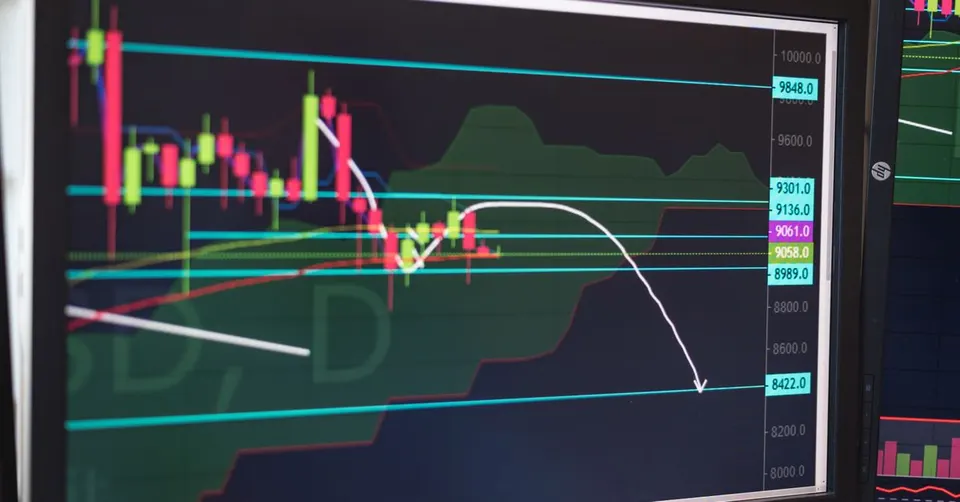
While Tehran navigates a geopolitical transition, the global crypto market is facing its own identity crisis. Today, Bitcoin sits at $62,421, a price point that feels stagnant to many, yet beneath the surface, the data tells a story of extreme exhaustion. Recent reports indicate that the Bitcoin profit and loss ratio has plummeted to a 43-month low. This means that fewer people are selling for a profit today than at almost any point in the last three and a half years. Historically, when the 'profit ratio' hits these depths, it signals that the 'weak hands' have already left the building. We are currently in what analysts call the 'Extreme Fear' phase, where the average investor is too afraid to buy, even though the long-term indicators suggest the bottom is near.
Adding fuel to the fire is the legendary venture capitalist Tim Draper, who recently denied rumors of selling his massive Bitcoin holdings, instead reiterating his bold prediction of $250,000 per BTC. This contrast between the daily 'grind' of prices and the high-conviction bets of billionaires is where the smart money is made. For an Iranian user holding USDT (currently at 174,290 Toman), the question isn't just about the dollar price, but about the opportunity cost. If you are waiting for Bitcoin to feel 'safe' again, you will likely be buying when the profit ratio is high and the price is already $80,000 or more. The current 'fear floor' is often the most profitable, albeit most uncomfortable, time to build a position.
Gold’s Cooling Period: Why 18k Dropped 1.2%
Gold has long been the ultimate 'inflation hedge' for Iranian households, but today we saw a notable dip, with 18k gold falling from 17,821,690 to 17,613,924 Toman per gram. A 1.2% drop in a single day might worry some, but in the context of a global gold ounce priced at a staggering $4,176.10, this is a minor correction. Why did it drop while the USD only fell 0.3%? The answer lies in local demand dynamics. During periods of national mourning and major diplomatic ceremonies, retail commercial activity often slows down. Fewer people are visiting the bazaar to buy jewelry or coins, leading to a temporary surplus in supply and a cooling of the 'bubble' or premium often attached to local gold.
However, do not mistake a cooling period for a trend reversal. With the US celebrating its 250th anniversary amid domestic tensions and global conflicts, the long-term case for gold remains as shiny as ever. For the Iranian investor, gold serves a dual purpose: it protects against the devaluation of the Toman and provides a hedge against global systemic shocks. If you are looking at the 1.2% drop as a loss, you are thinking like a trader. If you look at it as a 200,000 Toman discount per gram compared to yesterday, you are thinking like a wealth builder. In a world where even the most stable currencies face 'Everest-like' challenges, as seen in the political shifts in Australia and the UK, holding a physical asset that carries no counterparty risk is the ultimate peace of mind.

Strategy for the Midday Session
As we move into the afternoon, keep an eye on the closing rates of the UAE Dirham (AED). At 48,000 Toman, the Dirham remains the most accurate anchor for the USD rate in Tehran. If the Dirham starts to creep up despite the diplomatic 'calm,' it may signal that the underlying demand for imports is outweighing the positive news from the Mosalla. For crypto enthusiasts, the $221 million inflow into Bitcoin ETFs suggests that while retail investors are afraid, institutional 'whales' are quietly vacuuming up the supply. The lesson for today is simple: don't let the headlines of the past blind you to the mathematical opportunities of the present. Whether it's the dip in gold or the 'fear floor' in Bitcoin, the best entries are rarely found in times of celebration.
Frequently Asked Questions
Why is the Bitcoin profit and loss ratio at a 43-month low significant?
How do foreign diplomatic visits in Tehran lower the USD/IRR exchange rate?
Gold dropped 1.2% while the USD only dropped 0.3%. What caused this discrepancy?
Is Tim Draper's $250,000 Bitcoin prediction realistic in the current 2026 climate?
Geopolitical Risk and its Impact on Financial Markets
Geopolitical risk refers to the potential for political events, conflicts, or instability between nations or within a country to disrupt global economic stability and financial markets. Unlike traditional economic risks that stem from factors like inflation or interest rates, geopolitical risks are often sudden, unpredictable, and can rapidly shift investor sentiment. Events such as diplomatic tensions, conflicts, or even significant political transitions within key nations can send ripples across various asset classes, from stocks and bonds to commodities and cryptocurrencies.
The mechanism through which geopolitical risk impacts markets is primarily driven by uncertainty and fear. When political stability is threatened, investors tend to move away from riskier assets towards perceived safe havens. This "flight to safety" often sees a surge in demand for assets like gold, certain stable government bonds, or strong reserve currencies. Conversely, risk assets such as emerging market equities, speculative investments, and cryptocurrencies like Bitcoin may experience significant sell-offs, leading to slumps and creating what some refer to as a "fear floor" – a level of extreme negative sentiment. Tools like the "crypto fear and greed index" attempt to quantify this very sentiment.
The interconnectedness of the modern global economy means that a significant geopolitical event in one region, such as a major diplomatic shift or period of mourning in Tehran, can have far-reaching consequences. These events can influence everything from oil prices and supply chains to currency exchange rates (like USD/IRR) and the local price of gold in affected regions. For instance, heightened uncertainty might lead to capital outflows, currency depreciation, or a local surge in demand for physical assets like gold as a hedge against instability.
Understanding geopolitical risk is crucial for any investor. It highlights why seemingly distant political developments can directly impact "your wallet" by influencing the value of your investments. While these events are inherently difficult to predict, being aware of their potential to trigger market volatility, shift asset valuations, and alter the risk landscape allows investors to make more informed decisions, potentially adjusting portfolios to mitigate exposure or capitalize on new opportunities arising from changing global dynamics.