Global Energy Shifts & Crypto Quakes: What EU's LNG Snub and Bitcoin's Woes Mean for Your Toman
تحولات انرژی جهانی و زلزلههای کریپتو: رد LNG آمریکا توسط اروپا و مشکلات بیتکوین چه معنایی برای تومان شما دارد؟
The global energy landscape is shifting as Europe re-evaluates its costly U.S. LNG imports, signaling potential ripples for global trade and inflation. Simultaneously, the crypto market faces headwinds from celebrity investor blunders to institutional ETF outflows. For Iranian investors, understanding these international tremors is crucial to navigating local gold, currency, and crypto markets.
At time of publishing
USD
174,050
Toman
Gold 18K
17.69M
Toman / gram
Bitcoin
$62,684
US Dollar
Tether
174,042
Toman
Europe's LNG Dilemma: A Shift in Global Energy Dynamics
The global energy market is witnessing a significant pivot as the European Union, for the first time in two years, has reportedly started shunning U.S. liquefied natural gas (LNG) imports due to their high cost [18]. This development comes despite the fact that Europe had become the largest regional buyer of U.S. LNG, a shift actively encouraged by the second Trump administration and driven by sanctions against Russia, including a ban on Russian LNG purchases from 2027. The preferential trade deal framework signed last July by President Donald Trump and European Commission President Ursula von der Leyen, which aimed to ensure steady energy supplies, now faces considerable pressure. This economic decision by Europe underscores a pragmatic approach to energy security and cost-efficiency, potentially redefining long-term energy partnerships.
This re-evaluation by Europe carries significant implications for global energy prices, inflation, and the overall strength of the U.S. dollar. A reduction in demand for U.S. LNG from a major buyer like the EU could lead to a surplus in American markets, potentially driving down U.S. gas prices but also impacting the profitability of U.S. energy exporters. Furthermore, if Europe seeks alternative, cheaper energy sources, it could shift global supply chains and trade balances, creating ripple effects across various economies. For the dollar, a weakened demand for U.S. exports could, in the long run, contribute to a different sentiment, though direct impacts are often complex and multi-faceted, influenced by numerous other global economic factors.

Crypto's Turbulent Waters: From Celebrity Blunders to ETF Outflows
Beyond traditional energy markets, the world of cryptocurrency is navigating its own turbulent waters, marked by both individual investor sentiment and broader institutional trends. A notable example is Barstool Sports founder Dave Portnoy, who recently declared his intention to hold Bitcoin "all the way down to zero" after consistently mistiming his investments, often buying near the $100,000 mark [1]. This anecdote perfectly encapsulates the high-risk, high-reward nature of crypto investing and the emotional rollercoaster many retail investors experience, highlighting the importance of understanding personal risk tolerance and avoiding speculative fads.
Adding to the market's complexity are regulatory and reputational challenges, as seen with Reform UK leader Nigel Farage, who is facing scrutiny over a reported £5 million gift from crypto billionaire Christopher Harborne [2]. Such controversies, alongside broader discussions around decentralized finance (DeFi) and Web3 developments [4], cast a shadow on the nascent industry, pushing for greater transparency and regulatory clarity. These incidents, whether involving high-profile individuals or new technological paradigms, contribute to the overall perception of crypto as a volatile and sometimes opaque asset class, influencing both public trust and potential institutional adoption.
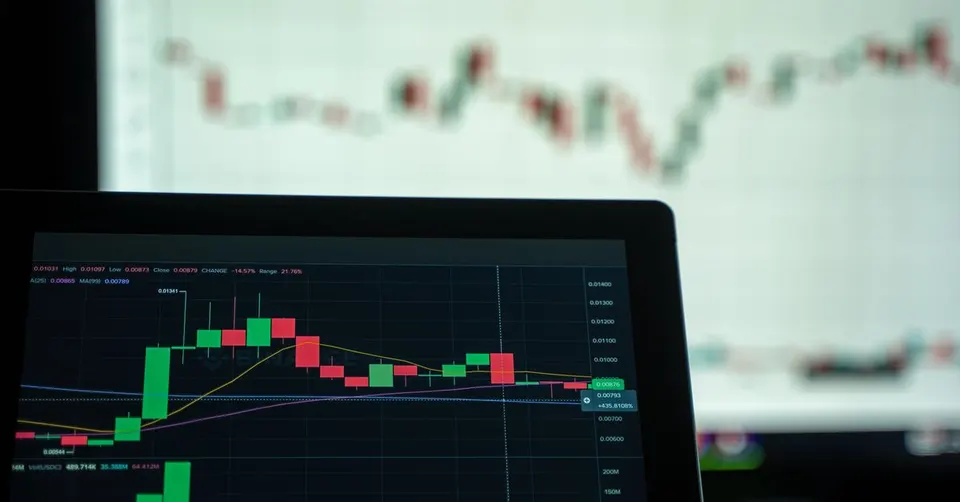
This institutional skepticism is further reflected in recent market data, with Bitcoin Exchange Traded Funds (ETFs) logging a record eighth straight negative week, despite a modest $4.3 million inflow on Thursday [9]. This prolonged period of net outflows suggests a cooling interest from institutional investors or a phase of profit-taking, which directly impacts Bitcoin's price, currently trading around $62,684 USD. The performance of Bitcoin, in turn, influences the broader crypto market, including stablecoins like USDT, which currently trades at approximately 174,042 Toman. These dynamics underscore the interconnectedness of institutional sentiment, market liquidity, and the valuations of digital assets.
Connecting Global Shocks to Your Local Investments in Iran
For Iranian investors, these global shifts in energy and crypto markets are not distant concerns but rather factors that can subtly, or sometimes dramatically, influence local investment decisions and asset valuations. Fluctuations in global energy prices, even those stemming from Europe's LNG procurement strategies, can indirectly affect Iran's economy. While Iran is an energy exporter, global demand shifts and pricing pressures can impact revenue streams, potentially feeding into domestic inflation and influencing the Toman's stability. Understanding these global energy market nuances helps in anticipating broader economic trends that affect local purchasing power and investment returns.
Similarly, the global sentiment surrounding cryptocurrencies directly translates into the local Iranian market. When Bitcoin struggles internationally, as reflected by its current price of $62,684 USD and the negative ETF performance, it often dampens speculative appetite among Iranian investors. This can affect the Toman price of cryptocurrencies and the overall liquidity in local crypto exchanges. Conversely, in times of domestic economic uncertainty or persistent inflation, Iranian investors often seek refuge in traditional hedges. Today's market data shows the USD/IRR experienced a slight dip of -0.1% to 174,050 Toman, while Gold 18k/gram saw a modest gain of +0.3% to 17,692,414 Toman, and the Emami coin remained stable at 177,000,000 Toman (+0.0%). These movements highlight a complex interplay of global market signals and local economic realities.
Navigating this intricate landscape requires a multi-faceted approach. Diversifying assets, staying informed about both global macroeconomic trends and specific market developments, and conducting thorough research are paramount. In a world where energy policies in Europe can influence the price of your gold coin and a celebrity's crypto misadventure can affect market sentiment, making informed and strategic investment decisions is not just advisable, but essential for protecting and growing your wealth. Always remember that volatility is inherent in markets, and a well-thought-out strategy, rather than emotional reactions, is your best defense.
Concept Diagram
Frequently Asked Questions
Why is Europe reducing its reliance on U.S. LNG, and what are the global implications?
How do celebrity crypto investors like Dave Portnoy influence market sentiment?
What do negative Bitcoin ETF streaks signify for the crypto market?
How does global energy policy affect Iranian currency and gold prices?
What is the current status of Bitcoin and USDT in the Iranian market context?
Understanding Currency Exchange Rates and Global Shocks
Currency exchange rates are fundamental to international trade and finance, representing the value of one nation's currency in relation to another's. For individuals, they dictate purchasing power abroad; for economies, they influence everything from import costs and export competitiveness to inflation and foreign investment. These rates are not static; they fluctuate constantly, driven by a complex interplay of economic fundamentals, market sentiment, and geopolitical events. Understanding these dynamics is crucial for anyone looking to make sense of global economic news and its local repercussions.
Several key factors determine exchange rates. At its core, it's about supply and demand for a currency. A country's trade balance (exports vs. imports), interest rates, inflation rates, and economic growth prospects all play significant roles. For instance, a country with high exports and low imports will see stronger demand for its currency, pushing its value up. Higher interest rates can attract foreign capital, increasing demand for the local currency. Political stability and investor confidence are equally vital; uncertainty can lead to capital flight, weakening the currency.
Global shocks, such as shifts in energy markets or volatility in emerging asset classes like cryptocurrencies, can have profound ripple effects on exchange rates worldwide. For example, major changes in global LNG demand or supply, as seen with Europe's energy strategies, can alter trade balances for energy-exporting or importing nations, impacting their foreign exchange reserves and currency values. Similarly, significant outflows from large investment vehicles like Bitcoin ETFs, coupled with broader market sentiment, can signal a shift in global risk appetite, influencing capital flows and, consequently, the stability of various currencies, particularly those in developing economies.
For currencies like the Iranian Toman (an informal unit of the Rial), which operates within an economy often subject to external pressures and high domestic inflation, these global shifts are particularly impactful. Changes in international energy prices directly affect Iran's oil and gas revenues, a primary source of foreign currency. Moreover, global investor sentiment towards riskier assets, or even the perception of stability in alternative investments like Bitcoin, can indirectly influence capital flows and local confidence, further exacerbating or ameliorating pressures on the Toman. In such contexts, traditional safe havens like gold often see increased demand as a hedge against currency depreciation.