The Bahrain Flare-Up and $64k Bitcoin: Navigating Iranian Markets Amid Regional Friction
تنش در بحرین و بیتکوین ۶۴ هزار دلاری؛ مسیریابی در بازار ایران همزمان با اصطکاکهای منطقهای
As diplomatic tensions with Bahrain escalate and Bitcoin tests the $64,000 support level, Iranian investors face a complex web of regional risk and global opportunity. We break down why these headlines move the Toman and whether Grayscale's 'entry point' call applies to you.
At time of publishing
USD
268,500
Toman
Gold 18K
24.59M
Toman / gram
Bitcoin
$64,273
US Dollar
Tether
270,396
Toman
The Bahrain Friction and the Risk Premium
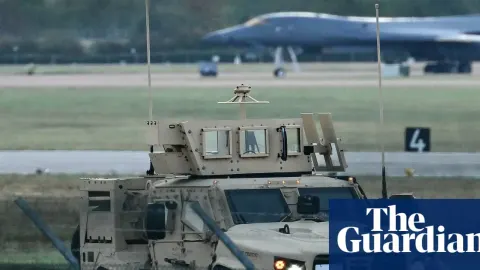
On Tuesday, November 17, 2026, the geopolitical landscape in the Persian Gulf shifted as the Iranian Ministry of Foreign Affairs officially condemned Bahrain for what it termed "unjust verdicts" against scholars and citizens. This diplomatic frost was compounded by reports from Al Jazeera suggesting a drone attack targeted the Sheikh Isa Airbase in Bahrain, an action the IRGC claimed was aimed at countering hostile U.S. radar systems in the region. For the average Iranian reader, these are not just headlines; they are direct drivers of the 'risk premium' added to the price of the U.S. Dollar and Gold.
When regional stability is questioned, the demand for liquid, safe-haven assets in Tehran spikes. Currently, the USD is trading at 268,500 Toman, holding steady despite the noise. However, history shows that such frictions often lead to a 'wait-and-see' approach by big players, which thins out market liquidity and makes prices more susceptible to sudden jumps. The tension in the Strait of Hormuz remains a primary concern for traders, as any disruption to energy or trade flows directly impacts the central bank's ability to manage currency reserves.

Bitcoin at $64,000: A Compelling Entry or a Trap?
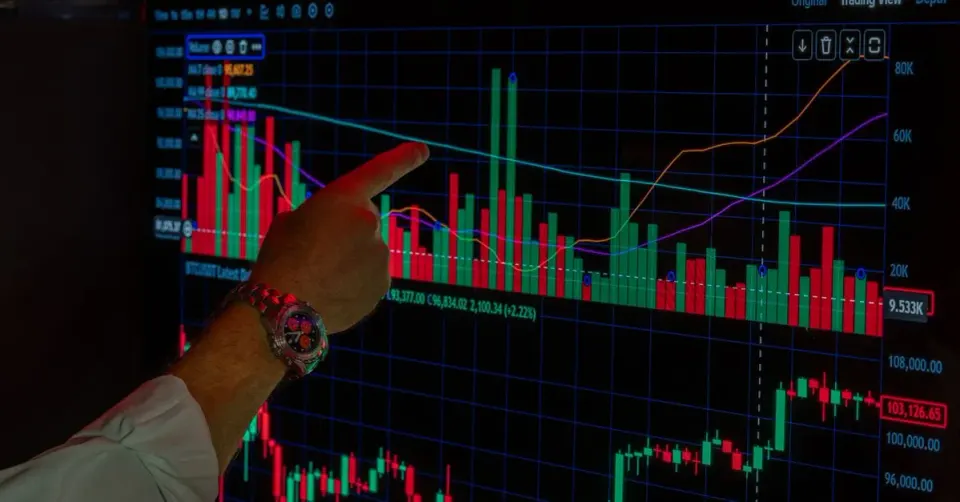
While regional politics simmer, the global crypto market is providing its own set of signals. Grayscale’s Head of Research, Zach Pandl, recently noted that the current pullback—which saw Bitcoin fall to the $64,000 mark—represents a "compelling entry point" for long-term investors. This sentiment is echoed by institutional moves, such as Cathie Wood’s Ark Invest loading up on crypto-adjacent stocks like Coinbase and Circle. For Iranians, Bitcoin serves as a dual-purpose tool: it is both a hedge against local Toman inflation and a way to participate in global technological growth.
However, the $64,273 price point requires careful navigation. A "pullback" in a bull market is often healthy, shaking out over-leveraged traders, but in a high-interest-rate environment, volatility can be punishing. Iranian investors often use USDT (Tether) as a bridge, which currently sits at a slight premium at 270,396 Toman. This gap between the paper USD and the digital USDT reflects the high demand for moving capital into the crypto ecosystem during times of regional uncertainty. If you are looking at this 'entry point,' remember that global liquidity and local sentiment are two different beasts.
Gold’s Resilience and the 'Forever War' Narrative
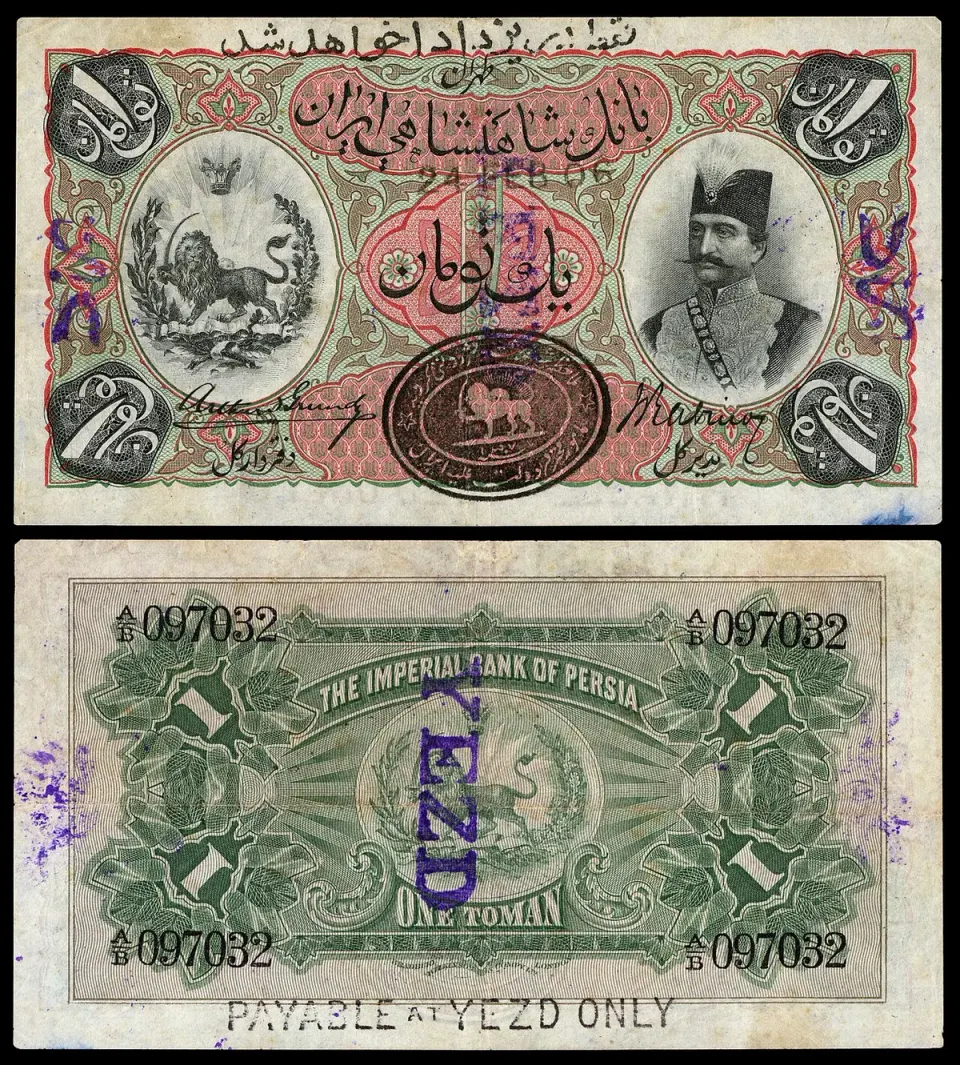
Gold remains the traditional bedrock of Iranian wealth preservation. Today, Gold 18k is priced at 24,590,239 Toman per gram, showing a modest 0.2% increase. This stability is remarkable given that the global ounce price is hovering at a high of $3,863.45. The domestic price of gold in Iran is a function of both the global ounce and the local USD/IRR rate. When the U.S. political sphere—highlighted by Vice President JD Vance’s recent comments against 'neoconservatives' and 'forever wars'—suggests a shift in foreign policy, it creates ripples in how Iranians value their long-term savings.
If the U.S. moves toward a more isolationist or less interventionist stance, the long-term pressure on the Toman might shift, but in the short term, the fear of escalation keeps the 'Emami Coin' at 253,000,000 Toman. For the reader, the takeaway is clear: diversification is no longer a luxury; it is a survival strategy. Balancing physical gold with digital assets like Bitcoin allows for a hedge against both local currency collapse and regional conflict. As we move through this Tuesday, November 17, 2026, keeping an eye on the Bahraini border is just as important as watching the candlestick charts in New York.
Concept Diagram
Frequently Asked Questions
چرا تنش با بحرین بر قیمت دلار در تهران اثر میگذارد؟
آیا خرید بیتکوین در قیمت ۶۴ هزار دلار برای ایرانیها منطقی است؟
چرا قیمت طلا در ایران با وجود ثبات دلار، رشد کرده است؟
Geopolitical Risk, Currency Devaluation, and Alternative Assets in Sanctioned Economies
The confluence of geopolitical tensions and economic sanctions creates a unique and challenging environment for national currencies and financial stability. In economies like Iran, where international banking access is restricted and the local currency (e.g., the Toman) is already vulnerable to inflation, any escalation in regional friction or perceived external threat can trigger significant currency devaluation. This phenomenon is driven by a loss of confidence among citizens and investors, who anticipate further economic instability, leading them to seek safer stores of value.
When geopolitical risks intensify, individuals and businesses often engage in what is known as "capital flight" or a "flight to safety." They convert their local currency holdings into more stable assets, typically foreign currencies like the USD, or tangible assets that historically retain value during crises. This increased demand for foreign currency puts downward pressure on the local exchange rate, accelerating devaluation and fueling domestic inflation. The purchasing power of the local currency diminishes rapidly, eroding savings and increasing the cost of imported goods, thus creating a vicious cycle of economic distress.
In this context, alternative assets such as gold and cryptocurrencies (like Bitcoin and stablecoins such as Tether) become increasingly attractive. Gold has long been a traditional safe haven, valued for its intrinsic worth and liquidity, especially in times of uncertainty. Cryptocurrencies, on the other hand, offer a modern alternative. Their decentralized nature and often borderless transfer capabilities make them appealing for circumventing traditional financial systems, which can be particularly useful in sanctioned economies where international transactions are difficult. For many, they represent a means to preserve wealth against hyperinflation and currency controls, offering a degree of financial autonomy outside the reach of government intervention or banking restrictions.