Digital Fragility: What the Coinone Breach and Microsoft Outages Mean for Your Capital
شکنندگی دیجیتال؛ درسهای نشت اطلاعات کوینوان و اختلال مایکروسافت برای امنیت داراییهای شما
Recent security breaches at major exchanges and global infrastructure failures have exposed the hidden risks of digital finance. This guide explores how to shield your wealth from phishing and systemic collapses in an increasingly interconnected world.
At time of publishing
USD
268,000
Toman
Gold 18K
24.65M
Toman / gram
Bitcoin
$65,557
US Dollar
Tether
268,696
Toman
The Illusion of Digital Safety
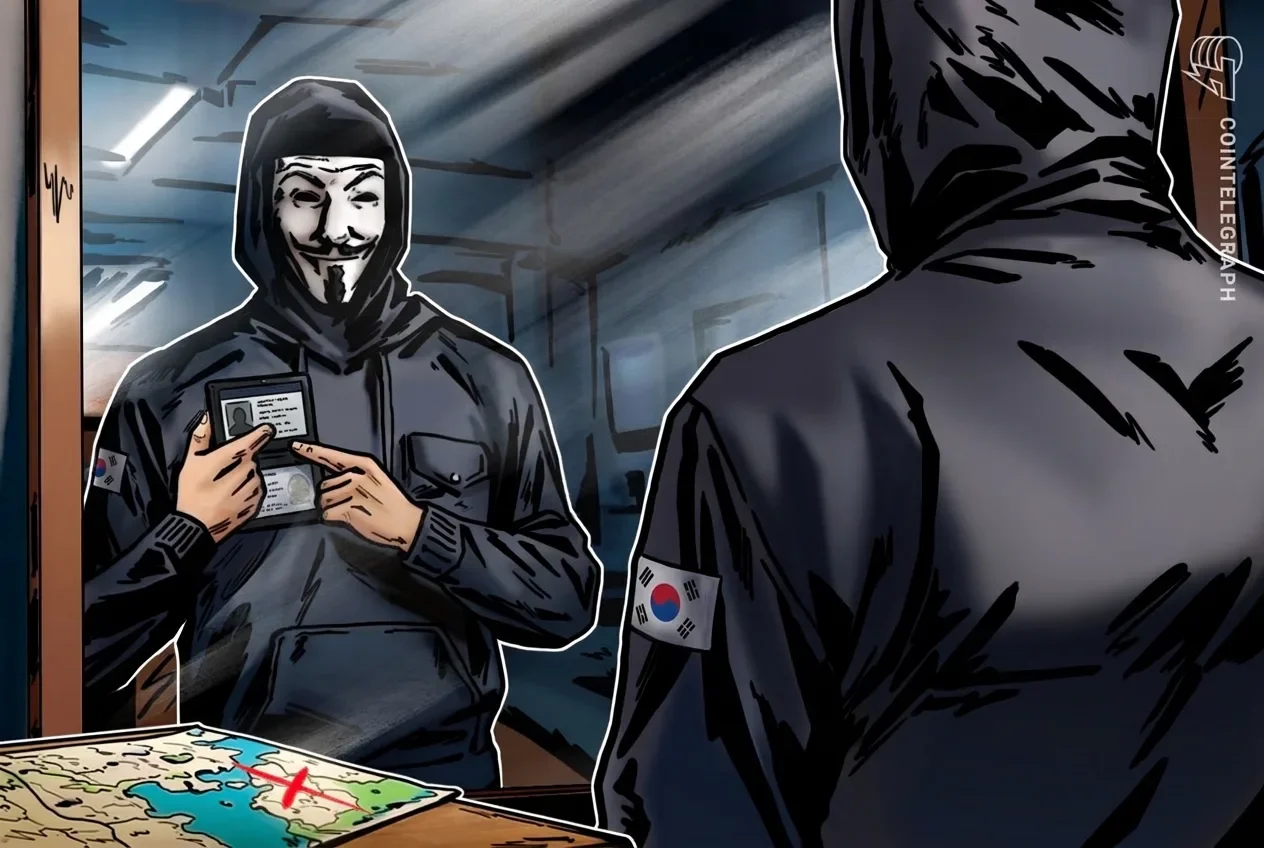
On Sunday, November 15, 2026, the global financial community was reminded once again that digital convenience often comes at the cost of security. The South Korean cryptocurrency exchange, Coinone, reported a massive data breach involving sensitive customer information. The leaked data includes passwords, bank account numbers, national identification numbers, and even crypto wallet addresses. For the average investor, this isn't just a news headline; it is a direct threat. When a major exchange loses control of its database, every user becomes a target for sophisticated phishing attacks that can lead to the total loss of funds.
This incident coincides with broader concerns about global digital stability. Recent Microsoft outages and AI-driven chaos have fueled fears that our interconnected systems are more fragile than we care to admit. From grounded flights in the United States to turbulence in tech stocks, the reliance on centralized infrastructure creates a single point of failure. If a tech giant like Microsoft can experience disruptions that ripple through every sector, the platforms where you trade USD, Gold, or Bitcoin are equally susceptible to technical paralysis or malicious intrusion.
The Ripple Effect: From Seoul to Tehran
While the Coinone breach happened in South Korea, its implications are felt globally, including in the Iranian market. Iranian investors often navigate a complex web of intermediaries, international exchanges, and local platforms to hedge against inflation. A breach at a major global hub like Coinone increases the risk of 'cross-platform' attacks. Hackers use the leaked passwords to attempt logins on other exchanges or to craft highly convincing phishing emails that appear to come from legitimate services.
Furthermore, the wind-down of the Real World Asset (RWA) protocol stUSDT, which once boasted a $2.3 billion Total Value Locked (TVL), serves as a cautionary tale for those chasing high yields in DeFi. Even protocols that seem backed by massive assets can disappear or change course rapidly. For Iranians holding Tether (USDT) as a substitute for physical dollars, understanding that even the most 'stable' digital systems carry underlying protocol risks is essential for long-term survival in the markets.
Practical Defense in a Volatile Market
As of today, Sunday, November 15, 2026, the Iranian market shows a slight cooling trend. The USD sell rate has dipped 0.3% to 268,000 Toman, while Gold 18k has fallen 0.6% to 24,652,569 Toman per gram. In this environment of relative stability, now is the time to audit your security measures rather than waiting for a crisis. The first rule of digital wealth is simple: if you don't own your keys, you don't own your coins. Moving significant assets from exchanges to hardware 'cold' wallets is no longer an optional luxury—it is a necessity.
Beyond technical tools, maintaining a diversified portfolio remains the ultimate hedge. While Bitcoin sits at $65,557 and Ethereum at $1,831.34, the intrinsic value of physical assets like the Emami coin (currently 251,000,000 Toman) provides a buffer that digital breaches cannot touch. Combining the speed of fintech with the reliability of physical hedges is the only way to navigate a world where a single server error or a data leak in another continent can threaten your life savings. Stay vigilant, use two-factor authentication (2FA) that is not SMS-based, and never reuse passwords across financial platforms.
Concept Diagram
Watch
HUANG'S HONEYTRAP: Cybersecurity expert warns Big Tech leaders
Fox Business
Frequently Asked Questions
آیا نشت اطلاعات در یک صرافی خارجی مثل کوینوان برای کاربران ایرانی خطرناک است؟
چگونه بفهمیم یک ایمیل فیشینگ است یا از طرف صرافی ارسال شده؟
با توجه به توقف stUSDT، آیا نگهداری تتر (USDT) همچنان امن است؟
بهترین روش برای جایگزینی تایید پیامکی (SMS 2FA) چیست؟
Safeguarding Your Digital Assets: The Power of Non-Custodial Wallets and Phishing Protection
In an increasingly digital world, the security of our capital extends beyond traditional banks to the volatile realm of cryptocurrencies. Incidents like the Coinone data breach underscore a critical vulnerability: when you store your digital assets on a centralized exchange, you often cede control of your private keys to that platform. This arrangement, known as a custodial solution, means that while you own the assets, the exchange is the custodian, and its security failures or operational issues (like the hypothetical Microsoft outage affecting services) can directly jeopardize your funds. The digital fragility highlighted by such events necessitates a deeper understanding of how to truly protect your investments.
The most robust defense against such centralized risks is the adoption of non-custodial solutions, primarily hardware wallets. Unlike custodial services, a hardware wallet keeps your private keys isolated offline, making them impervious to online hacks, malware, or exchange breaches. When you want to send crypto, the transaction is prepared on your computer but signed securely within the hardware device itself, without ever exposing your private keys to the internet. This fundamental shift from trusting a third party to self-custody empowers you with complete control and responsibility over your digital wealth.
However, owning a hardware wallet is only one layer of protection. The human element remains the weakest link, often exploited through sophisticated phishing attacks. Phishing involves deceptive attempts to trick users into revealing sensitive information, such as private keys, seed phrases, or login credentials, or to approve malicious transactions. Attackers might impersonate legitimate services (like an exchange or wallet provider) through fake websites, emails, or social media messages. A common tactic is creating a replica website that looks identical to a real one, aiming to capture your login details or prompt you to connect your wallet to a malicious contract.
To effectively counter phishing, vigilance is paramount. Always double-check URLs for authenticity, ensure websites use HTTPS, and be wary of unsolicited communications. Never click on suspicious links or download attachments from unknown senders. Crucially, when interacting with your hardware wallet, meticulously review every detail of the transaction on the device's screen before approving it. This includes the recipient address, the amount, and the asset type. A moment of inattention can lead to irreversible loss of funds, making robust personal security practices just as vital as the technological safeguards.
Ultimately, understanding and implementing non-custodial security measures, coupled with stringent phishing protection, is not just a technicality; it's a fundamental requirement for anyone navigating the digital financial landscape. It directly addresses the "Your Capital" concern by shifting the locus of control and security from potentially fragile centralized entities to your own hands, offering true resilience against the inherent digital fragility of our interconnected world.