
Ivy League's Digital Bet: Why Harvard and Dartmouth are Holding the Line on Bitcoin ETFs
شرطبندی سنگین دانشگاههای برتر آمریکا روی بیتکوین؛ چرا هاروارد و دارتموث دست به ماشه نبردند؟
Despite market volatility, the world’s most prestigious university endowments are maintaining their Bitcoin and Solana positions. We explore what this 'smart money' signal means for individual investors and how institutional adoption is reshaping the crypto landscape.
At time of publishing
USD
269,200
Toman
Gold 18K
24.54M
Toman / gram
Bitcoin
$64,384
US Dollar
Tether
269,571
Toman
The financial world often looks to Ivy League endowments—some of the most sophisticated investment vehicles on the planet—to see where the 'smart money' is flowing. In the third quarter of 2026, regulatory filings revealed a striking trend: Harvard and Dartmouth didn’t flinch. While retail investors often panic during price dips, these institutions kept their Bitcoin ETF stakes steady. This wasn't just a passive hold; it occurred during a period where the specific Bitcoin fund in question saw a staggering 42% gain. For an institution like Harvard, which manages tens of billions of dollars, maintaining a position after such a sharp rally signals a belief that we are still in the early innings of a much larger cycle.
What is perhaps more telling is the diversification strategy at play. Harvard’s gold ETF share count rose nearly 20-fold in the same period. This suggests that the world's elite investors are not choosing between 'old gold' and 'digital gold'—they are aggressively accumulating both. In an era of global instability, institutional portfolios are being rewired to survive a world where traditional fiat currencies feel increasingly vulnerable. This shift is happening against a backdrop of broader economic and social unrest, from youth employment crises in Britain to intensifying debates over free speech in academia, as seen in the recent controversy surrounding Andreas Malm’s talks in London. When the social fabric feels thin, capital seeks the hardest assets it can find.
---
The ETF Bridge: Why Institutions Aren't Buying 'Coins'
For most Iranian investors, the path to crypto is direct: you buy USDT on a local exchange and swap it for Bitcoin or Ethereum. However, for a multi-billion dollar endowment, the process is different. They use ETFs (Exchange-Traded Funds). An ETF allows these institutions to gain exposure to Bitcoin’s price without the headache of managing private keys or worrying about the security of a digital wallet. The fund manager—giants like BlackRock or Fidelity—handles the custody, while the university simply holds a ticker on a regulated stock exchange. This 'institutionalization' of crypto is the single biggest driver of the 2026 market, as it brings in trillions of dollars that were previously locked out by regulatory hurdles.
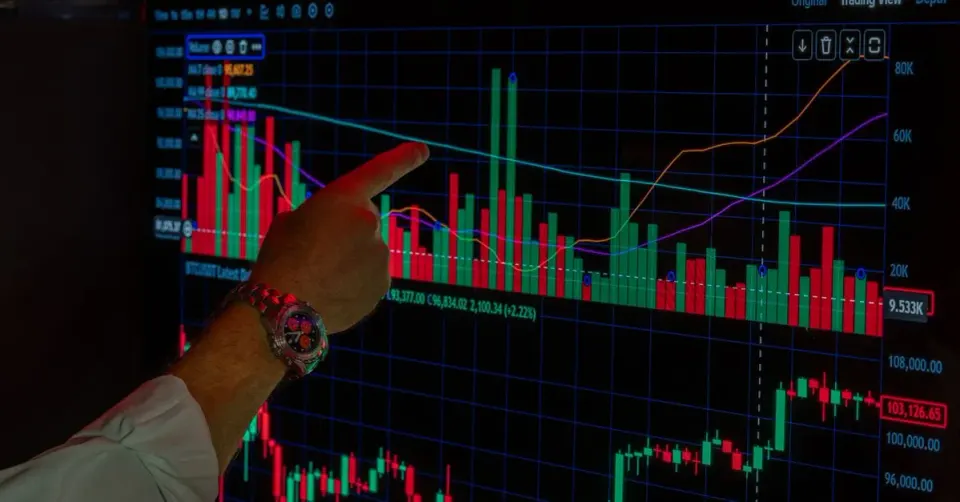
This trend is particularly relevant for those tracking global liquidity. When Harvard keeps its stake steady, it provides a floor for the market. It tells the world that the current price of Bitcoin—sitting near $64,384—is viewed as fair value or even undervalued by the best analysts in the business. While individual traders might get shaken out by a 5% drop, institutions operate on 10-year horizons. They are looking past the immediate noise and focusing on the fact that Bitcoin is increasingly behaving like a global, neutral reserve asset that exists outside the control of any single government.
---
Geopolitics and the Flight to Digital Safety
It is impossible to separate these investment decisions from the geopolitical chaos unfolding elsewhere. Today, reports surfaced of Yemeni forces retreating from key areas near the Bab al-Mandab Strait, leaving Houthi forces in control of critical Red Sea waterways. Such events traditionally spike the price of oil and gold, but in 2026, we are seeing a 'triple hedge' effect. Investors are moving into gold (explaining Harvard's 20x increase), energy, and Bitcoin simultaneously. The logic is simple: if global trade routes are threatened and shipping lanes are blocked, the traditional financial system faces friction. Digital assets, which move at the speed of light across borders, offer a friction-less alternative.

For the average person in Iran, this global institutional shift has a direct impact on the local price of the dollar and Tether. As global demand for 'hard assets' rises, the US Dollar (and by extension, USDT) remains the primary vehicle for that movement. Today, the USD sell rate in Tehran hit 269,200 Toman, a 0.9% increase in just 24 hours. This isn't just local inflation; it's a reflection of a world that is increasingly hungry for liquid, portable wealth. When you see Harvard holding Bitcoin, you are seeing the ultimate validation of the strategy many Iranians have used for years: converting local currency into assets that the rest of the world values.
---
The Bottom Line for Your Portfolio
What can we learn from the Ivy League's Q3 moves? First, the 'Gold vs. Bitcoin' debate is dead; the winners are holding both. Second, the 42% gain in Q3 didn't lead to a mass sell-off by institutions, which suggests they expect even higher valuations in the coming years. For an Iranian investor, this serves as a reminder that crypto is no longer a 'get rich quick' scheme for the fringe—it is a core component of modern wealth preservation.

As we move toward the end of 2026, the convergence of geopolitical risk in the Middle East and institutional adoption in the West is creating a unique market environment. Whether you are holding 18k gold (currently at 24,537,143 Toman per gram) or Bitcoin, the strategy remains the same: focus on assets with fixed supplies. The 'smart money' has made its choice, and it’s not betting on the long-term strength of unbacked paper currency.
Concept Diagram
Frequently Asked Questions
چرا دانشگاهها به جای خرید مستقیم بیتکوین از ETF استفاده میکنند؟
رشد ۲۰ برابری ذخایر طلای هاروارد چه معنایی برای بازار دارد؟
آیا نگهداری بیتکوین توسط دانشگاهها روی قیمت تتر در ایران اثر دارد؟
Bitcoin as 'Digital Gold': A New Paradigm for Institutional Investment
The concept of Bitcoin as 'digital gold' has emerged as a compelling narrative, particularly for sophisticated investors like Ivy League endowments. Traditionally, gold has served as a reliable store of value, a hedge against inflation, and a safe haven during economic uncertainty, largely due to its scarcity and historical acceptance. Bitcoin, with its programmed scarcity (a finite supply of 21 million coins) and decentralized nature, presents a similar proposition in the digital realm, offering a potential alternative or complement to traditional precious metals.
Institutional interest in Bitcoin stems from its potential to act as a diversifier within a broader investment portfolio. Proponents argue that Bitcoin's price movements are often uncorrelated with traditional assets like stocks and bonds, offering a unique avenue for risk mitigation and enhanced returns. For large endowments, which manage vast sums of capital over long horizons, exploring assets that can preserve purchasing power against fiat currency devaluation and offer a hedge against systemic risks becomes a strategic imperative. This 'digital gold' strategy positions Bitcoin not as a speculative asset, but as a long-term strategic holding.
However, the path to institutional adoption is not without its challenges. Volatility, regulatory uncertainty, and the nascent stage of the cryptocurrency market have historically made direct investment complex for fiduciaries. The advent of regulated investment vehicles, such as Bitcoin Exchange-Traded Funds (ETFs), has significantly lowered the barrier to entry. ETFs allow institutions to gain exposure to Bitcoin's price movements without the complexities of direct custody, security, and regulatory compliance associated with holding the underlying asset. This accessibility is crucial for endowments seeking to integrate digital assets into their portfolios while adhering to strict governance frameworks.
While the headline suggests a cautious approach from some Ivy League institutions, their continued consideration and the broader trend of institutional crypto adoption underscore the growing acceptance of Bitcoin's 'digital gold' properties. As the financial landscape evolves, understanding Bitcoin's role as a potential long-term store of value and a strategic diversifier is essential for anyone tracking the future of global finance and investment strategies.