Beyond England's Game: Crypto's Volatility and the Search for Stability
فراتر از بازی انگلیس: نوسانات ارز دیجیتال و جستجو برای ثبات
While England's football team faces scrutiny, a different kind of volatility is playing out in the crypto markets. This article explores the recent CFTC lawsuit against Cash FX, the ongoing development in Solana's network, and what these events mean for your digital assets, especially in the context of the Iranian market.
At time of publishing
USD
235,000
Toman
Gold 18K
23.97M
Toman / gram
Bitcoin
$84,004
US Dollar
Tether
233,118
Toman
The Game Beyond the Pitch
This week, much of the sports world is focused on England's football team and their performance against top-ranked opponents. But for those of us watching the financial markets, particularly the volatile world of cryptocurrency, another kind of game is unfolding – one with potentially far greater stakes for our investments. While a football match might end with a scoreline, the shifts in crypto can have a lasting impact on our wallets. The recent news from the Commodity Futures Trading Commission (CFTC) filing a lawsuit against Cash FX, alleging a massive $950 million crypto-linked forex scheme, serves as a stark reminder of the inherent risks in this burgeoning asset class. This isn't just about one company; it's about the trust and security that underpin the entire ecosystem.
The CFTC's allegations paint a picture of alleged deception, where participants' funds were purportedly used for minimal forex trading and significant misappropriation. This type of news, unfortunately, fuels skepticism and can lead to a broader sell-off as investors become more risk-averse. For those in Iran, where cryptocurrency often serves as a hedge against local currency fluctuations or a gateway to international markets, such news can be particularly concerning. The search for reliable, stable digital assets becomes paramount when headline risks like these emerge.
---
Network Upgrades and Risk Appetite
While regulatory actions highlight the risks, technological advancements continue to push the boundaries of what's possible in the crypto space. Solana, a blockchain platform known for its high transaction speeds, is making strides with its network upgrades. The recent deployment of its 150-millisecond settlement upgrade on a second public test network, Alpenglow, is a significant step. This upgrade aims to enhance the speed and efficiency of transactions, which is crucial for decentralized applications (dApps) and the broader adoption of blockchain technology. Faster settlement times can translate into better user experiences and open up new possibilities for financial services built on the blockchain.
These developments, however, don't exist in a vacuum. They occur against a backdrop of evolving market sentiment and regulatory scrutiny. The Cash FX lawsuit, for instance, can dampen overall risk appetite, potentially impacting investment in promising technologies like Solana. Investors might become more cautious, preferring to hold onto more stable assets or less volatile cryptocurrencies. For the Iranian market, which has seen significant adoption of cryptocurrencies, this push and pull between technological innovation and regulatory risk is a constant balancing act. The demand for stablecoins like USDT, which aim to maintain a fixed value, often increases during periods of heightened market uncertainty, as seen in the current USDT price of 233,118 Toman.

---
What This Means for You
Understanding these seemingly disparate events – a regulatory crackdown and a network upgrade – is crucial for navigating the crypto landscape, especially from an Iranian perspective. The CFTC lawsuit against Cash FX underscores the importance of due diligence. Always research the platforms and projects you invest in. Look for transparency, regulatory compliance where applicable, and a solid track record. The crypto world is rife with opportunities, but also with scams and fraudulent schemes that prey on unsuspecting investors.
On the other hand, advancements like Solana's network upgrade signal the continued innovation and potential of blockchain technology. These upgrades can lead to more efficient, scalable, and user-friendly decentralized applications, which could eventually transform various industries. For Iranian investors, staying informed about both the risks and the potential rewards is key. The current market sentiment, influenced by events like the Cash FX lawsuit, might lead to temporary price dips in major cryptocurrencies like Bitcoin (currently at $84,004) and Ethereum (at $2,682.31). However, the long-term trajectory will likely be shaped by continued technological development and clearer regulatory frameworks.
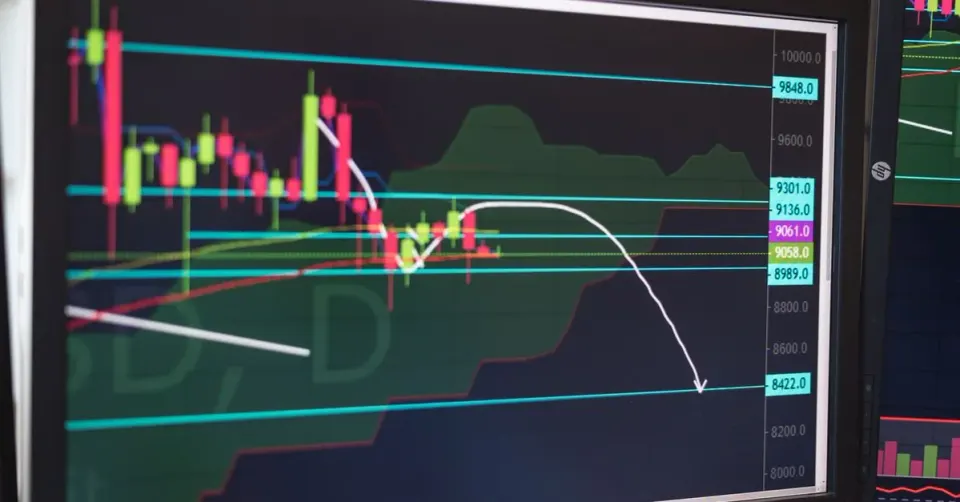
The current price of USD/IRR at 235,000 Toman, with a 0.6% increase today, also plays a role. When the local currency is experiencing fluctuations, the appeal of stable, internationally recognized digital assets, even with their inherent volatility, can grow. However, it's essential to approach crypto investments with a clear understanding of your risk tolerance and investment goals. The game of crypto is complex, requiring constant learning and adaptation, much like mastering a new sport.
Concept Diagram
Frequently Asked Questions
What is the CFTC and why is its lawsuit against Cash FX significant?
How does Solana's network upgrade to 150-millisecond settlement affect users?
Why do Iranian investors often turn to cryptocurrencies like USDT?
What are the key risks to consider when investing in cryptocurrencies today?
Understanding Stablecoins: The Quest for Stability in Crypto
The world of cryptocurrency is often characterized by its extreme volatility, with asset prices capable of swinging wildly in short periods. This inherent instability presents a significant challenge for users seeking a reliable medium of exchange or a store of value. Enter stablecoins, a unique class of cryptocurrencies designed specifically to mitigate this volatility by pegging their value to a more stable asset, typically a fiat currency like the U.S. dollar, but sometimes to commodities like gold or even other cryptocurrencies. Tether (USDT) is perhaps the most well-known example, aiming to maintain a 1:1 ratio with the U.S. dollar.
Stablecoins achieve their peg through various mechanisms. The most common approach is "fiat-backed," where each stablecoin in circulation is theoretically backed by an equivalent amount of fiat currency held in reserve by the issuer. Other methods include "crypto-backed" stablecoins, which use over-collateralized cryptocurrency reserves, and "algorithmic" stablecoins, which rely on smart contracts and supply-demand mechanics to maintain their peg without direct collateral. Their utility extends beyond simply reducing risk; stablecoins facilitate faster, cheaper international transactions, offer a way to "park" funds during periods of high crypto volatility without converting back to traditional fiat, and provide liquidity for trading pairs on exchanges.
However, stablecoins are not without their complexities and risks. The transparency and auditability of their reserves have been a recurring concern, particularly for fiat-backed stablecoins, leading to calls for greater regulatory oversight. Financial regulators, such as the U.S. Commodity Futures Trading Commission (CFTC), are increasingly scrutinizing stablecoins, recognizing their growing role in the broader financial system and potential for systemic risk if a major stablecoin were to de-peg. Their adoption in various markets, including those with strict capital controls or economic challenges, further highlights their dual nature as both a potential financial innovation and a subject of regulatory debate.