
Navigating Volatility: How to Protect Your Toman Savings from Depreciation
مدیریت نوسان: چگونه پسانداز تومانی خود را در برابر کاهش ارزش حفظ کنیم
The Iranian Toman continues to face depreciation, making it crucial for individuals to protect their savings. This guide offers practical strategies for hedging against currency devaluation without requiring substantial capital. Learn how to safeguard your purchasing power in uncertain economic times.
At time of publishing
USD
235,100
Toman
Gold 18K
24.05M
Toman / gram
Bitcoin
$83,357
US Dollar
Tether
235,032.291
Toman
The Persistent Challenge of Toman Depreciation
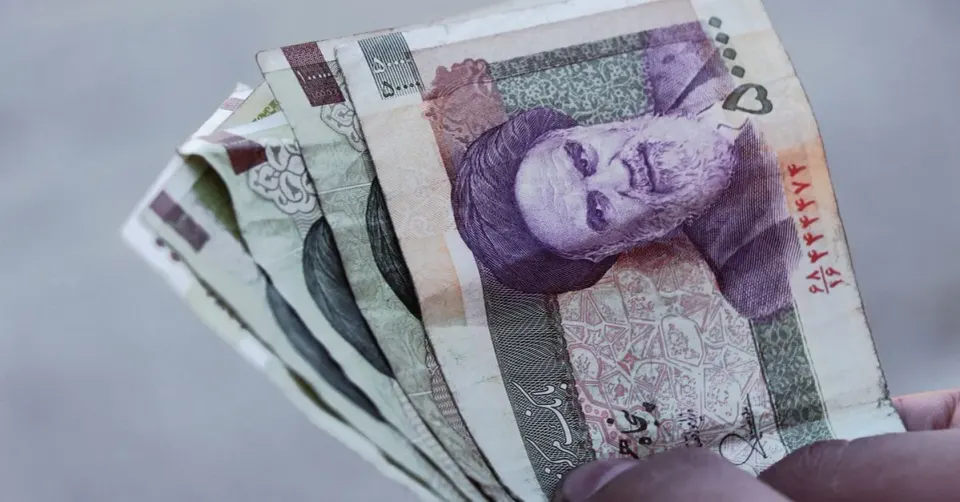
The Iranian Toman has been on a downward trajectory for years, a trend that has accelerated in recent times due to a confluence of domestic and international factors. These include geopolitical tensions, sanctions, and domestic economic policies that have eroded confidence in the national currency. For many Iranians, whose primary savings are held in Toman, this depreciation directly translates to a loss of purchasing power. What once bought a week's groceries now barely covers a few meals, creating significant financial pressure. This reality necessitates proactive strategies to preserve wealth, especially for those who do not possess large sums of capital to invest in traditional, high-barrier-to-entry assets.
The current market snapshot shows the USD selling at 235,100 Toman, with the price having risen 1.2% in the last 24 hours to 235,100. This small but significant daily increase is indicative of the ongoing pressure on the Toman. Gold prices, while also seeing a slight uptick, are often seen as a traditional hedge, but their volatility and the capital required for significant purchases can be prohibitive. Cryptocurrencies, particularly stablecoins like USDT, offer an alternative, but their own price fluctuations and regulatory uncertainties within Iran add layers of complexity.
---
Strategies for Small-Capital Hedging
For individuals with limited funds, the goal is not to speculate but to preserve value. One of the most accessible methods is to gradually convert a portion of your Toman savings into assets that are less susceptible to local currency depreciation. The most straightforward approach involves understanding the dynamics of foreign exchange and stablecoins.
1. Dollarization (Partial and Gradual): While outright dollar purchases can be challenging due to market availability and potential legal scrutiny, a more discreet approach involves using the existing exchange rate as a benchmark. Monitor the official and unofficial rates of USD/IRR. When you have disposable income, even small amounts, consider converting a portion into USD through trusted exchange platforms or individuals. The key is consistency and avoiding large, sudden transactions that might attract unwanted attention.
2. Stablecoin Investment (USDT): Tether (USDT) is a cryptocurrency pegged to the US dollar, making it a digital proxy for dollar holdings. To buy USDT safely in Iran, you'll typically use peer-to-peer (P2P) platforms. These platforms connect buyers and sellers directly. You would typically place an order, and a seller would accept it, agreeing on a price in Toman. The USDT is often held in escrow by the platform until you confirm receipt of the Toman payment. It's crucial to use reputable P2P platforms with strong user reviews and verification processes. Always prioritize platforms that offer escrow services to mitigate the risk of scams. Buying USDT allows you to hold dollar-denominated value digitally, which can then be used for trading or held as a hedge.
3. Diversification into Gold (Small Scale): While large gold purchases are out of reach for many, smaller investments can still be made. Consider purchasing gold grams or smaller gold coins. The gold price in Toman has seen a slight increase of 0.4% in the last 24 hours, reaching 24,054,665 Toman per gram. This demonstrates its role as a traditional store of value. However, remember that gold prices are also influenced by global markets and can be volatile. The key is to view it as one component of a diversified strategy, not the sole solution.
---
Understanding Market Signals
To effectively implement these strategies, it's essential to stay informed about market movements. For instance, the recent news about potential disruptions to oil routes, as suggested by Indian refiners lifting LPG output due to import issues, can indirectly impact regional stability and currency markets. While not directly related to Toman's immediate value, such geopolitical events contribute to overall market sentiment and risk appetite, which can influence the demand for safe-haven assets like USD or gold.
The crypto market, while offering a digital hedge, also presents its own set of risks. News like the sentencing of a Brooklyn man for a $16 million Coinbase phishing scheme highlights the ongoing threat of cyber fraud. This underscores the importance of using secure platforms and exercising caution when engaging in P2P crypto transactions. Similarly, developments in quantum-resistant solutions for Bitcoin, while futuristic, indicate the evolving landscape of digital assets.
For Iranians, the most immediate concern is the Toman's value. Monitoring the USD/IRR rate daily, or even hourly, is a critical habit. Setting price alerts on your phone through various financial apps or Telegram channels can provide timely notifications when the rate crosses certain thresholds, allowing for informed decisions about when to convert small amounts of Toman.
---
The Bigger Picture: Long-Term Wealth Preservation
Protecting savings from currency depreciation is a marathon, not a sprint. It requires consistent effort, a willingness to learn, and disciplined execution. The strategies outlined – partial dollarization, P2P USDT purchases, and small-scale gold investments – are designed to be accessible to individuals with limited capital. They aim to create a buffer against the erosive effects of inflation and currency devaluation.
Ultimately, the goal is to maintain purchasing power over time. By diversifying a portion of your savings into assets that hold their value better than the Toman, you can mitigate the risk of significant financial loss. It's about making informed choices based on market realities and personal financial circumstances. Regular review of your strategy and adaptation to changing economic conditions are key to long-term success in preserving your wealth.
Remember that while these methods offer a degree of protection, no strategy is entirely risk-free. Thorough research, using reputable platforms, and seeking advice from trusted financial sources are paramount. The current economic climate demands vigilance and adaptability from all Iranians looking to safeguard their hard-earned savings.
Concept Diagram
Frequently Asked Questions
What is the safest way to buy USDT in Iran?
How much capital is needed to start hedging against Toman depreciation?
Is investing in gold a good hedge against currency depreciation in Iran?
What are the risks associated with buying USDT in Iran?
Inflation Hedging: Protecting Your Purchasing Power
Inflation hedging refers to investment strategies designed to protect the purchasing power of one's assets from the erosive effects of inflation. In economies experiencing high inflation or significant currency depreciation, like the Toman in Iran, the value of cash savings can diminish rapidly over time. The primary goal of inflation hedging is to ensure that your wealth retains its real value, allowing you to buy the same amount of goods and services in the future as you could today. This becomes particularly critical when local currency stability is compromised, making traditional savings accounts inadequate for wealth preservation.
Common inflation hedges include a range of assets historically known to perform well during periods of rising prices. Real assets such as real estate, land, and commodities like gold and silver are often favored because their intrinsic value tends to hold up or even increase when fiat currencies lose value. Gold, in particular, has a long-standing reputation as a safe-haven asset and a store of value across civilizations, making it a popular choice for those seeking to protect against currency devaluation.
More recently, certain digital assets, especially stablecoins pegged to stronger foreign currencies like the US dollar (e.g., USDT), have emerged as a contemporary hedging tool in some markets. While traditional cryptocurrencies like Bitcoin are highly volatile, stablecoins aim to offer the stability of a fiat currency without the direct exposure to local banking systems, making them an attractive option for small capital investments in regions facing severe local currency depreciation. However, it's crucial to understand that all hedging strategies come with their own risks, and diversification across various asset classes is often recommended to mitigate potential downsides.