Iran's Strait of Hormuz Gambit: Diplomacy, Sanctions, and Your Wallet
قمار تنگه هرمز ایران: دیپلماسی، تحریمها و جیب شما
As Iran's Foreign Minister Abbas Araghchi engages in high-stakes diplomacy at the UN General Assembly, the future of the Strait of Hormuz hangs in the balance. This explainer breaks down what Iran's conditions for reopening the vital waterway mean for global trade, energy prices, and ultimately, your savings.
At time of publishing
USD
235,700
Toman
Gold 18K
23.90M
Toman / gram
Bitcoin
$84,668
US Dollar
Tether
235,651.917
Toman
Diplomacy at the UN: A High-Stakes Negotiation
Iranian Foreign Minister Abbas Araghchi has been a busy man on the sidelines of the 81st United Nations General Assembly. His meetings, including one with his Philippine counterpart Theresa Lazaro, are not just diplomatic pleasantries; they are part of a broader strategy to navigate complex international relations and economic pressures. The key message emanating from Tehran, as reported by IRNA, is that the reopening of the Strait of Hormuz, a critical global shipping lane, is contingent on specific conditions set by Iran's Supreme National Security Council (SNSC). This isn't a new stance, but its reiteration at such a prominent global forum signals a persistent focus on leveraging this strategic chokepoint.
Araghchi stressed that Iran has 'never closed the door to negotiations' while 'maintaining its rights.' This delicate balancing act – demanding concessions while appearing open to dialogue – is a hallmark of Iranian foreign policy. The context is crucial: global energy markets remain sensitive to any disruption in the Persian Gulf, and the current geopolitical climate is volatile. The BBC's Faisal Islam noted that economic pressures related to ongoing conflicts, potentially referencing the Iran war, require careful management from policymakers. This diplomatic dance, therefore, has direct implications for global energy supply and, by extension, inflation and consumer prices worldwide.
---
Why Hormuz Matters to Your Toman
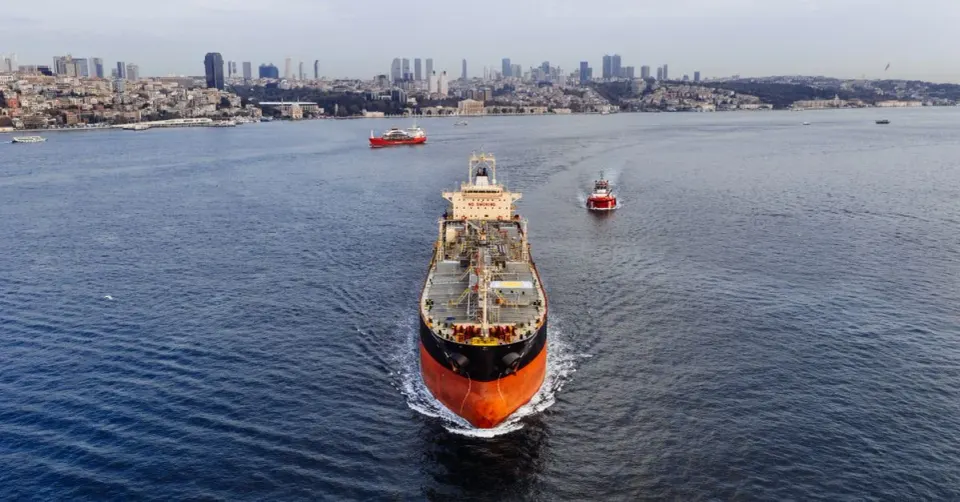
The Strait of Hormuz is not just a narrow waterway; it's the jugular vein of global oil transportation. Approximately 30% of the world's seaborne oil trade passes through it daily. Any disruption, whether through deliberate closure or heightened tensions, sends shockwaves through global energy markets. For Iran, controlling or influencing this passage is a significant bargaining chip. When Iran signals potential conditions for its reopening, it's essentially signaling its leverage in broader geopolitical and economic discussions, which often include sanctions relief.
For the average Iranian, the implications are direct. A stable and open Strait of Hormuz generally contributes to more predictable global energy prices. Conversely, increased tensions or a blockade could lead to a surge in global oil prices. This surge can translate into higher domestic fuel costs, increased prices for imported goods (due to higher shipping costs), and a general inflationary pressure on the economy. The current market data shows the USD/IRR exchange rate hovering around 235,700, with a slight 0.4% increase in the last 24 hours. While this specific movement might be influenced by many factors, sustained geopolitical instability around the Strait of Hormuz can fuel demand for the US dollar as a safe haven, potentially pushing the Toman lower.
---
The Bigger Picture: Sanctions, Trade, and Confidence
Iran's stance on the Strait of Hormuz is intrinsically linked to the ongoing issue of international sanctions. The country has repeatedly linked its cooperation on regional security and trade routes to a lifting of economic restrictions. The meeting between Minister Araghchi and his Philippine counterpart, while seemingly bilateral, occurs within the larger context of the UN General Assembly, where discussions about sanctions, trade agreements, and Iran's nuclear program are perennial topics. The BBC's mention of 'Iran war economic pressures' highlights the sustained impact these sanctions have on the Iranian economy, affecting everything from oil exports to access to international finance.
Beyond the direct economic impacts of oil prices and currency fluctuations, geopolitical maneuvering around the Strait of Hormuz also affects investor and consumer confidence. Uncertainty breeds caution. If businesses and individuals perceive a heightened risk of conflict or disruption, investment can dry up, and consumer spending might slow down. This 'confidence shock' can have a chilling effect on economic growth. While news about establishing Persian language departments at Russian universities [3] or discussions on social care reform in the UK [7] might seem distant, they are all part of a complex global tapestry. For Iranians, understanding these diplomatic signals, especially regarding a critical chokepoint like Hormuz, is essential for making informed financial decisions in an often unpredictable environment.
Concept Diagram
Frequently Asked Questions
What are Iran's conditions for reopening the Strait of Hormuz?
How does the Strait of Hormuz affect global oil prices?
What is the connection between Hormuz tensions and the USD/IRR exchange rate?
Why is the UN General Assembly relevant to the Strait of Hormuz issue?
Understanding Geopolitical Chokepoints: The Strait of Hormuz
In geopolitics, a chokepoint refers to a narrow geographical passage, such as a strait, canal, or mountain pass, that is strategically important for trade, transportation, or military control. These points are vital because they concentrate traffic into a small area, making them vulnerable to disruption and giving significant leverage to any entity that can influence or control them. The ability to control or threaten a chokepoint can have far-reaching economic and political consequences, particularly for the flow of critical resources.
The Strait of Hormuz is arguably the world's most critical oil chokepoint. Located between the Persian Gulf and the Gulf of Oman, it is the sole maritime passage for crude oil and liquefied natural gas (LNG) from major Middle Eastern producers like Saudi Arabia, Iran, UAE, Kuwait, and Iraq to markets worldwide. Roughly one-fifth of the world's total petroleum liquids consumption, and a significant portion of global LNG, passes through this 21-mile wide strait daily. This immense volume makes it indispensable to global energy security.
Given its strategic importance, any threat of disruption in the Strait of Hormuz immediately sends ripples through global energy markets. Fears of blockades, military confrontations, or even increased tensions can cause oil prices to spike dramatically, impacting economies globally. For Iran, bordering the Strait, its geographical position grants it a unique form of leverage. Despite facing international sanctions that severely limit its oil exports and impact its economy (reflected in the USD/IRR exchange rate), the potential to disrupt this vital waterway serves as a significant geopolitical tool in its diplomatic engagements and broader regional strategy. Understanding this concept is crucial for grasping why events in this seemingly small waterway have such monumental global implications for your wallet and international stability.