The Price of Dignity: How Diplomatic Rhetoric and Global Tech Records Shape the Toman
بهای عزت؛ چگونه لفاظیهای دیپلماتیک و رکوردهای جهانی تکنولوژی بر قیمت تومان اثر میگذارند؟
As Foreign Minister Araghchi signals a path toward a 'dignified agreement,' the Iranian Toman shows a rare moment of cooling. We break down why diplomatic sentiment acts as a temporary shield and how global tech milestones like GTA VI's record launch reveal the massive economic gap Iran seeks to bridge.
At time of publishing
USD
270,300
Toman
Gold 18K
23.17M
Toman / gram
Bitcoin
$57,893
US Dollar
Tether
271,511
Toman
The Sentiment Shield: Diplomacy vs. Dollars
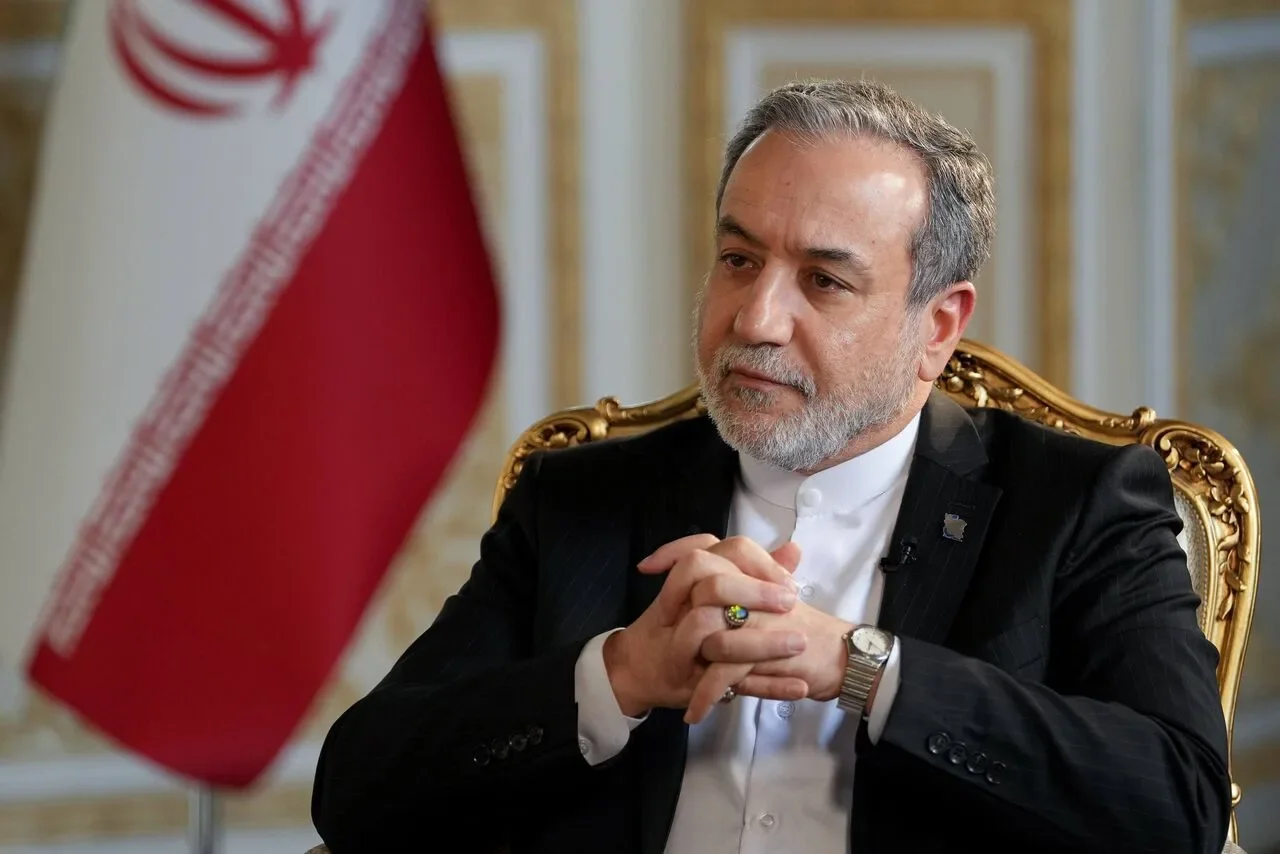
On Saturday, November 21, 2026, the Iranian market witnessed a slight cooling trend, with the USD/IRR rate sliding roughly 1% to land at 270,300 Toman. This movement followed statements from Foreign Minister Abbas Araghchi, who claimed that Tehran remains open to a 'good, honorable, and dignified agreement' with the United States. In the world of finance, this is what we call 'trading on sentiment.' Investors aren't necessarily seeing new money enter the country; they are simply pricing in the reduced risk of immediate escalation. When a high-ranking official uses words like 'dignified,' it signals to the market that the door to negotiation isn't bolted shut, which temporarily halts the panic-buying of hard currency.
However, it is vital to distinguish between a 'sentiment floor' and a 'fundamental shift.' A fundamental shift would require the actual lifting of sanctions or a verified increase in oil exports. Currently, the Toman is resting on a fragile bed of rhetoric. While Araghchi mentions 'victory on the battlefield' as a prerequisite for diplomacy, the market remains skeptical. The 3.2% drop in the Emami gold coin to 242 million Toman today suggests that some of the speculative 'war premium' is being priced out, but the underlying inflation remains a heavy weight on the average Iranian's purchasing power.

---
Global Tech Records and the Opportunity Cost of Isolation
While Tehran discusses the terms of dignity, the global economy is moving at a breakneck pace that highlights the cost of Iran's financial isolation. This week, Rockstar Games announced that Grand Theft Auto VI (GTA VI) generated a staggering $3.8 billion in retail sales on its first day. To put that in perspective, a single entertainment product earned more in 24 hours than the entire annual GDP of some small nations. For Iranian investors, this is a reminder of where global liquidity is flowing: into high-tech, consumer entertainment, and digital platforms. The record-breaking launch of such a product shows that global capital is looking for growth in sectors that Iran is currently largely disconnected from due to banking restrictions.
Furthermore, the tech world continues to offer massive incentives for those with access to global markets. Companies like HostGator are offering 76% discounts on hosting services this November, and Google Workspace is slashing prices to capture more of the digital productivity market. For an Iranian freelancer or startup, these tools are often out of reach or require expensive intermediaries. This 'access gap' is the silent tax of sanctions. Every time a global tech giant sets a record or offers a productivity-boosting discount, the competitive disadvantage for those inside the Iranian economy grows wider, regardless of how 'dignified' a potential political agreement might be.

---
Crypto Regulation: From the Wild West to Hong Kong
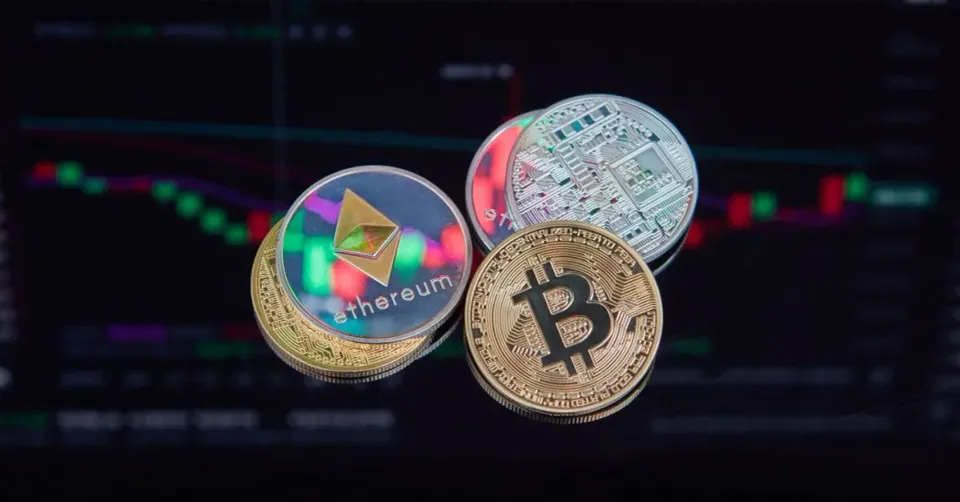
As the Toman fluctuates, many Iranians have turned to Tether (USDT) and Bitcoin as a life raft. However, the 'Wild West' era of crypto is rapidly ending. Hong Kong's securities regulator is now pushing to bring crypto custodians and advisers under strict licensing rules, with a new bill set for December. This move is part of a global trend to institutionalize digital assets. For the Iranian user, this is a double-edged sword. On one hand, regulation brings stability and prevents the kind of massive 'tech wreck' we saw in the S&P 500 this week, where 94% of stocks declined.
On the other hand, as crypto becomes more integrated into the formal global financial system, it becomes easier for international regulators to enforce sanctions. If Hong Kong—a major hub for Asian liquidity—tightens its grip, the 'gray market' pathways that many use to move value in and out of Iran may become narrower. Bitcoin's current price of $57,893 and its longest weekly losing streak since 2022 reflect a broader 'risk-off' mood in global markets. For the local investor, the lesson is clear: crypto is no longer an isolated bubble; it is increasingly sensitive to the same geopolitical and regulatory pressures as traditional currency. True financial 'dignity' in the modern age requires not just political agreements, but a technological infrastructure that can survive a regulated world.
Concept Diagram
Frequently Asked Questions
چرا سخنان وزیر خارجه باعث کاهش قیمت دلار شد؟
آیا رکورد فروش بازیهای ویدئویی تاثیری بر اقتصاد ایران دارد؟
قوانین جدید هنگکنگ چه خطری برای کاربران ایرانی رمزارز دارد؟
Economic Sanctions and Currency Depreciation
Economic sanctions are punitive measures imposed by one or more countries against another, typically to pressure the target nation into altering its policies. These restrictions can range from trade embargoes and financial blockades to travel bans and asset freezes. Their primary economic goal is often to limit the target country's access to international markets, foreign currency, and essential goods, thereby creating economic hardship that compels a change in behavior. For a nation like Iran, facing extensive sanctions, these measures profoundly impact its currency, the Rial (or Toman, an informal unit of 10 Rials).
The mechanism by which sanctions lead to currency depreciation is multifaceted. Firstly, by restricting a country's ability to export goods, sanctions drastically reduce the inflow of foreign currency (like USD). With less foreign currency entering the economy, its supply becomes scarce relative to demand, driving up its price against the local currency. Secondly, sanctions can make imports more expensive and difficult to acquire, forcing the country to pay premiums or rely on illicit channels, further draining its foreign reserves. This scarcity, coupled with a loss of investor confidence and potential capital flight as individuals and businesses seek safer havens for their wealth, puts immense downward pressure on the local currency's value.
The depreciation of a national currency under sanctions has severe consequences for its citizens. It erodes purchasing power, fuels inflation as imported goods become prohibitively expensive, and makes it harder for businesses to operate and plan. In such environments, parallel financial markets often emerge, and alternative assets gain prominence. Cryptocurrencies, for instance, can become a significant avenue for circumventing traditional financial systems. Stablecoins like Tether, whose value is pegged to the USD, might be sought after as a hedge against local currency volatility, while local digital assets like "Emami coin" could reflect domestic speculative trends or attempts to create alternative value stores within a restricted economy.
Moreover, diplomatic rhetoric and geopolitical developments play a crucial role in shaping market expectations. Positive diplomatic signals might temporarily bolster confidence and stabilize the currency, while renewed tensions or the threat of stricter sanctions can trigger further depreciation. The interplay between international relations, economic restrictions, and the desperate search for financial stability within a sanctioned economy creates a complex and volatile environment, where the "price of dignity" is often measured in the declining value of the national currency.
Topics
Related Articles