Global Echoes: How Distant Unrest and Tanker Rates Ripple Through Iran's Gold and Currency Markets
بازتابهای جهانی: چگونه ناآرامیهای دوردست و نرخ نفتکشها بازارهای طلا و ارز ایران را تحت تاثیر قرار میدهند
From political unrest in Africa to escalating tensions in the Middle East and fluctuating global shipping costs, seemingly distant events have a tangible impact on market sentiment worldwide. This guide explores how these global dynamics, including a recent bug in XRP and stablecoin risks, translate into shifts in Iran's local currency and gold prices. Understanding these interconnected forces is crucial for navigating today's volatile financial landscape.
At time of publishing
USD
263,800
Toman
Gold 18K
26.16M
Toman / gram
Bitcoin
$83,386
US Dollar
Tether
263,978
Toman
Global financial markets are inherently interconnected, a truth often highlighted by how events far from our borders can send ripples directly into local economies. Today, a striking BBC Africa Eye investigation [7] revealed that mourners killed by Kenyan police during a national farewell for a former Prime Minister were not involved in violence, painting a stark picture of political instability and human cost. Simultaneously, the Middle East remains a hotbed of tension, with Iran-backed Houthi forces claiming responsibility for a second strike on Riyadh airport in two days, resulting in one fatality and eleven injuries [8]. These incidents, though geographically dispersed, contribute to a pervasive sense of geopolitical risk that makes investors around the globe increasingly cautious.
Such widespread unease doesn't stay confined to news headlines; it quickly translates into concrete economic impacts. Consider the global energy market: supertanker rates, which directly affect the cost of transporting crude oil, recently retreated slightly after touching all-time highs earlier this month [16]. Chartering a very large crude carrier (VLCC) from the U.S. Gulf Coast to China still costs an astonishing $634,974 per day, down only marginally from the record of over $637,000 per day on October 8. These elevated shipping costs reflect not just demand, but also a premium for navigating increasingly risky global trade routes, especially those near volatile regions. For an oil-exporting nation like Iran, or indeed any country reliant on global trade, these figures directly influence commodity prices, import costs, and ultimately, inflation pressure on local goods.

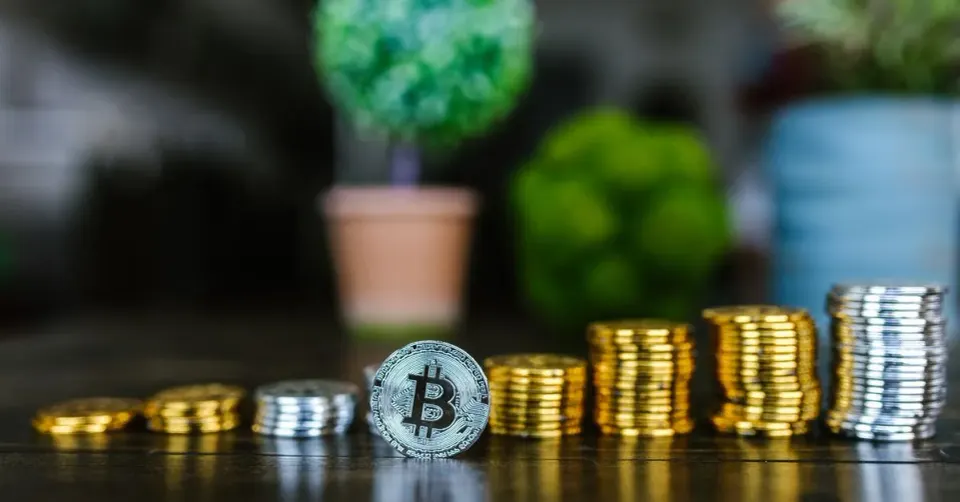
The ripple effect extends beyond physical goods to financial assets. In times of heightened global uncertainty, investors often seek safe haven assets. While today saw minor dips—USD/IRR fell slightly to 263,800 Toman (-0.1%), Gold 18k/gram to 26,157,717 Toman (-0.4%), and Emami coin to 268,000,000 Toman (-0.2%)—these small daily movements often mask deeper underlying currents. Gold, in particular, remains a traditional hedge against instability, and its price is constantly re-evaluated in response to global risk perceptions. Furthermore, the cryptocurrency market, often seen as a barometer of risk appetite, also faces scrutiny. A recent report highlighted how a bug that could have threatened XRP's 100 billion supply cap stayed hidden for years [4], while global watchdogs are flagging stablecoin risks ahead of the G20 summit [5]. These vulnerabilities in the digital asset space further contribute to overall market caution, influencing how investors allocate capital.
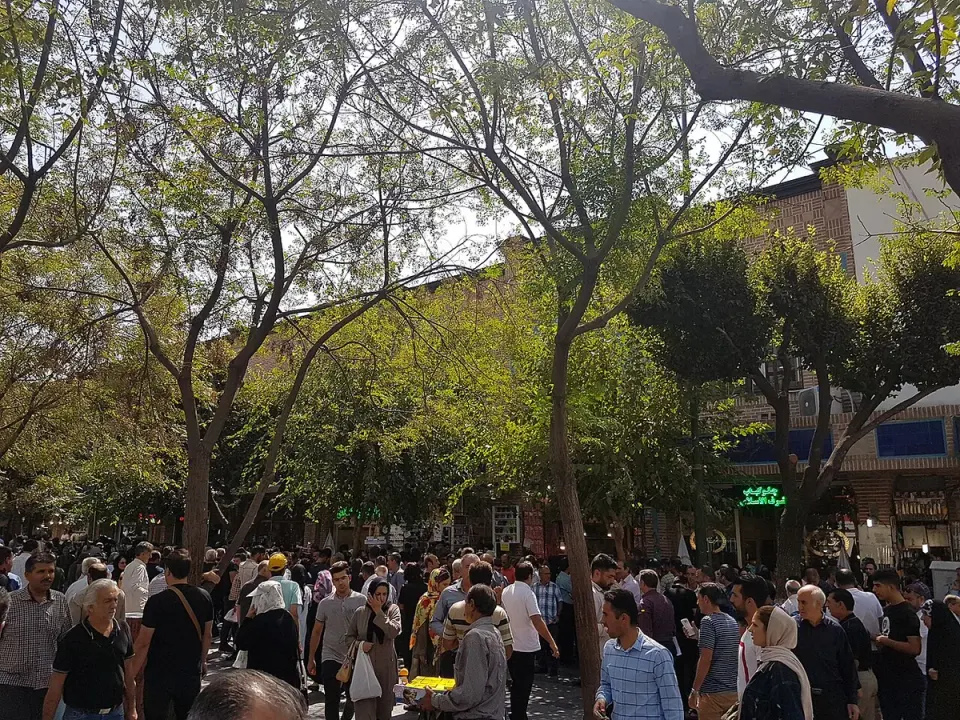
For Iranian investors, understanding these global linkages is paramount. The price of the U.S. Dollar in Tehran, the value of Emami coins, and even the daily fluctuations in 18k gold are not determined in isolation. They are sensitive to a complex interplay of international political developments, global trade dynamics, and shifts in investor confidence. Whether it's the cost of shipping oil across oceans or the perceived stability of a digital currency, every global event, no matter how distant, contributes to the intricate web that shapes our local market realities. Staying informed about these broader trends allows for more strategic financial decisions, helping individuals protect and grow their assets amidst persistent global volatility.
Concept Diagram
Frequently Asked Questions
How can political unrest in Kenya directly affect gold prices in Iran?
What do high supertanker rates mean for the average Iranian consumer?
How does a bug in a cryptocurrency like XRP relate to the stability of the Toman or Emami coin?
Why are global watchdogs concerned about stablecoin risks ahead of the G20?
Understanding Geopolitical Risk and Its Market Impact
Geopolitical risk refers to the potential for political instability, conflicts, and international tensions to disrupt global economic and financial stability. Unlike purely economic factors, these risks originate from non-economic events such as wars, trade disputes, or political upheavals, yet they carry profound economic consequences. They introduce a layer of uncertainty that can ripple through markets, affecting everything from commodity prices to investor sentiment.
The transmission of geopolitical risk to financial markets occurs through several key channels. Globally, such risks often lead to significant fluctuations in commodity prices, particularly oil and gas, due to concerns over supply disruptions in key regions. They can also impact global supply chains, increasing shipping costs (like tanker rates) and causing delays, which in turn drive up inflation. Furthermore, heightened geopolitical tensions typically trigger a flight to safety among investors, leading to increased demand for traditional safe-haven assets like gold and government bonds, while simultaneously causing volatility in equity markets.
For economies like Iran, which are deeply integrated into the global energy market and susceptible to regional dynamics, these global ripples have direct and often amplified effects. For instance, increased tanker rates due to regional instability directly raise the cost of both imports and exports, impacting trade balances. Fluctuations in global oil prices significantly affect national revenue for an oil-exporting nation. More broadly, heightened geopolitical tensions can deter foreign investment, encourage capital flight, and exert downward pressure on the domestic currency (such as the Iranian Rial) as citizens and businesses seek to hedge against uncertainty by accumulating foreign currency or gold.
In response to such risks, domestic markets exhibit predictable patterns. The demand for gold typically surges as a reliable store of value and a hedge against inflation and currency depreciation. Currency exchange markets become highly volatile, reflecting the erosion of confidence in the local currency's stability. Overall market sentiment shifts towards extreme caution, prompting investors to liquidate risky assets and seek refuge in more stable alternatives. Understanding these dynamics is crucial for navigating the complex interplay between international politics and economic realities.
In essence, geopolitical risk acts as a powerful, non-economic force that can reshape economic landscapes, influencing investment decisions, trade flows, and the everyday purchasing power of currencies. Its pervasive nature means that even seemingly distant events can have tangible and immediate impacts on local markets, making it a critical factor for policymakers, businesses, and individuals to monitor.
Topics
Related Articles