The Cost of Uncertainty: Why 'Risk Premium' Drives the 269,500 Toman Dollar
هزینه ابهام؛ چرا «صرفه ریسک» قیمت دلار را در مرز ۲۶۹ هزار تومان نگه داشته است؟
Even when markets are closed on a Friday, global security incidents and tech failures dictate your future purchasing power. Learn why news from the UK and the Strait of Hormuz acts as a hidden tax on the Iranian economy.
At time of publishing
USD
269,500
Toman
Gold 18K
25.76M
Toman / gram
Bitcoin
$68,917
US Dollar
Tether
270,204
Toman
Understanding the 'Risk Premium' in Your Pocket
When you check the price of the US Dollar on a quiet Friday like today, جمعه ۲۲ آبان ۱۴۰۵, and see it holding steady at 269,500 Toman, it is easy to assume the market is at peace. However, professional traders look at more than just the number; they look at the "Risk Premium." In economics, this is the extra return or cost associated with uncertainty. For an Iranian investor, the risk premium is the gap between what the Toman should be worth based on trade and what it actually costs because of the fear of what might happen tomorrow. Today, that fear is fueled by a mix of legal drama in the West and military friction in the Persian Gulf.
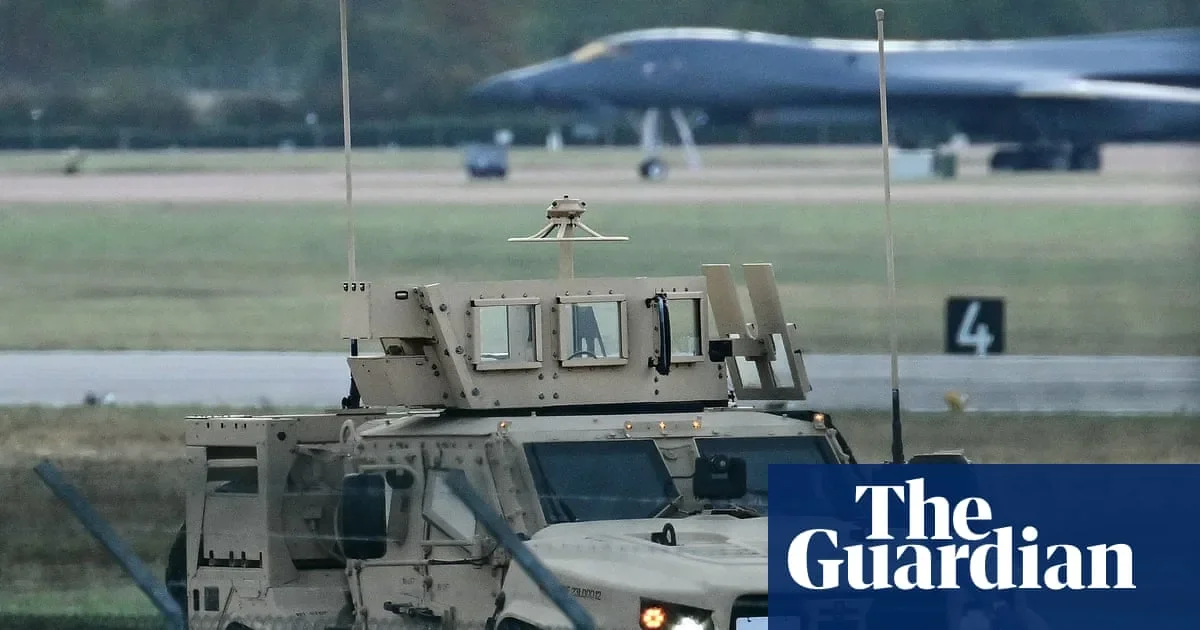
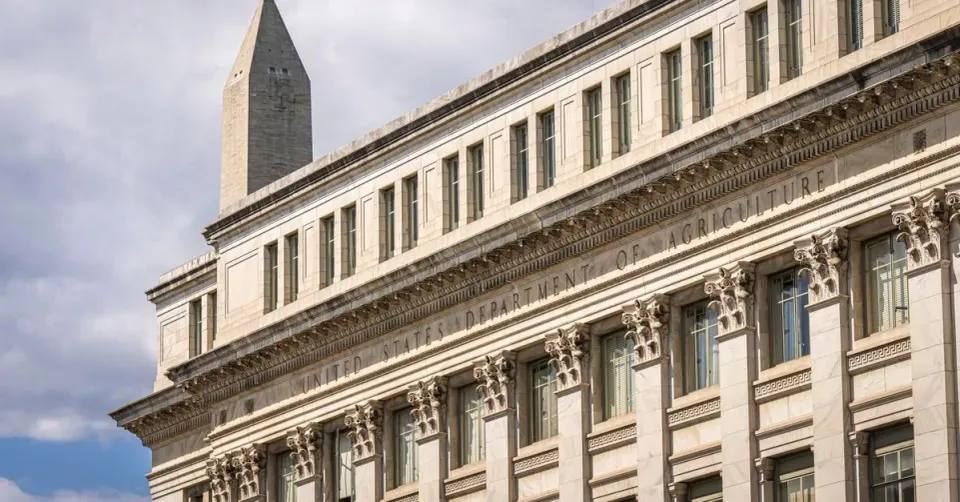
The recent developments in the US terror case involving Mohammad Baqer Saad Dawood al-Saadi, who is linked to operations in Britain including the RAF Fairford incident, provide a perfect example. While this might seem like a distant legal matter, it signals to the market that the diplomatic 'thaw' is nowhere in sight. When the US Department of Justice updates indictments involving Iranian-linked operations, it increases the likelihood of fresh sanctions or diplomatic isolation. For the market, this means the 'supply' of future dollars is at risk, which keeps the current price high even when trading volume is low.
The Strait of Hormuz and the Insurance of Fear
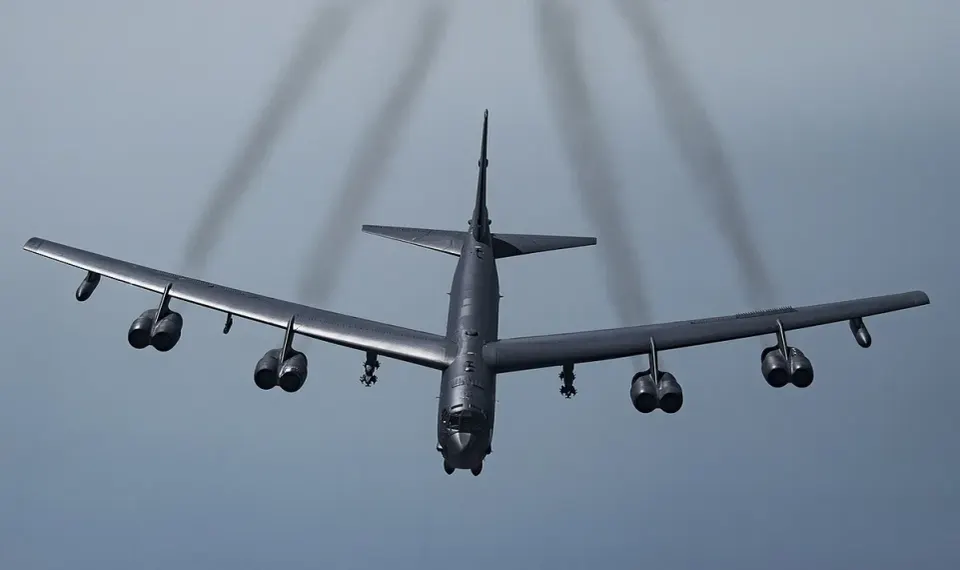
Closer to home, the IRGC Navy's report of a liquefied gas carrier exploding after striking a naval mine in the eastern Strait of Hormuz adds immediate physical risk to the equation. According to official claims, the vessel ignored warnings and took a dangerous route. Regardless of the tactical details, the market reads this as a threat to the world's most vital energy artery. When a ship explodes in the Strait, global shipping insurance rates spike, and the perceived risk of a regional conflict increases. This is why we see the Gold 18k price sitting at a staggering 25,762,962 Toman per gram; gold is the ultimate hedge against 'kinetic' risk.
Furthermore, the rhetoric from IRGC leadership, including warnings of a "decisive response" to any aggression, serves as a reminder that the geopolitical floor is unstable. Investors do not wait for a conflict to start before they buy hard assets; they buy them the moment the possibility of conflict rises. This proactive hedging is why the Emami coin remains at 254,500,000 Toman. Even without a price change in the last 24 hours, the high baseline is a direct reflection of these security tensions. The market isn't just buying gold; it's buying an insurance policy against the headlines.
Digital Fragility and the Case for Hard Assets
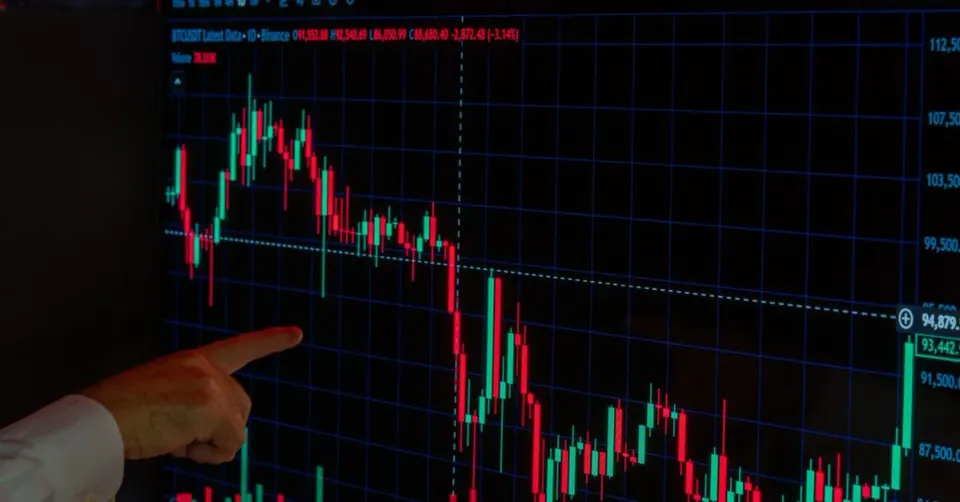
Beyond guns and steel, the global Microsoft 365 outage affecting Teams and Outlook worldwide reminds us of a different kind of risk: operational fragility. As Microsoft struggles to patch systems that have disrupted government and business communication for over 12 hours, the vulnerability of centralized digital infrastructure becomes clear. For the modern investor, this reinforces the 'decentralization' thesis. While Bitcoin has slipped to a 12-week low of $68,917—largely due to the shock of Jensen Huang's exit from Nvidia—the underlying demand for assets that don't rely on a single corporate server remains strong.
This week's news that Jared Kushner and Howard Witkoff are in Moscow asking Putin to include Europe in peace talks suggests a shifting global order. For Iranians, any move toward global de-escalation could eventually lower the risk premium. However, until these talks yield concrete results, the market will continue to price in the worst-case scenario. As an everyday user, understanding that your 270,204 Toman Tether (USDT) price isn't just about supply and demand, but about these global 'shadow risks,' is the first step toward making smarter, less emotional financial decisions in a volatile world.
Concept Diagram
Frequently Asked Questions
صرفه ریسک (Risk Premium) به زبان ساده چیست؟
چرا اخبار بریتانیا یا آمریکا روی قیمت دلار در تهران اثر میگذارد؟
آیا اختلال در سیستمهای مایکروسافت تأثیری بر قیمت کریپتو دارد؟
چرا قیمت طلا حتی در روزهای تعطیل ایران نوسان دارد؟
Understanding Risk Premium: The Cost of Uncertainty in Markets
In the world of finance, few concepts are as crucial yet often misunderstood as the Risk Premium. Simply put, it's the extra return an investor expects or demands for taking on a higher-risk investment compared to a risk-free one. Imagine you have two investment options: one is guaranteed to pay 2% (a risk-free asset like a government bond in a stable economy), and the other has the potential for higher returns but also the possibility of loss. The additional percentage return you'd require from the riskier option to make it worthwhile is its risk premium. This premium compensates investors for the uncertainty and potential volatility associated with that investment.
For a country like Iran, especially amidst geopolitical tensions such as those in the Strait of Hormuz, the concept of risk premium becomes acutely relevant. International investors, when considering holding assets denominated in Iranian Toman or investing in Iranian businesses, perceive a higher level of risk due to political instability, economic sanctions, and unpredictable regional events. This heightened perception of risk translates into a demand for a significantly larger risk premium. They require a much greater potential return to justify the uncertainty and potential for capital loss or difficulty in repatriating funds.
The direct consequence of a rising risk premium is often seen in the exchange rate and the price of safe-haven assets. When investors demand a higher risk premium for holding Toman-denominated assets, it puts downward pressure on the Toman's value. This means more Toman are needed to buy a dollar, reflecting the increased perceived risk of holding the local currency. Simultaneously, domestic investors, seeking to protect their wealth from currency depreciation and economic instability, often flock to tangible safe-haven assets like gold, driving up its price within the country. Thus, geopolitical risk directly impacts the daily financial realities of citizens through the mechanism of the risk premium.