Trump’s 11th-Hour Ceasefire Propels Bitcoin to $78k as Kharg Island Hits Critical Oil Limit
تمدید آتشبس توسط ترامپ در دقایق پایانی؛ بیتکوین به ۷۸ هزار دلار رسید و مخازن خارگ پر شد
President Trump has extended the Iran ceasefire following mediation by Pakistan, providing a temporary reprieve for global markets. While Bitcoin has surged to a new high of $78,100, the underlying economic pressure remains intense as Iran's primary oil export hub reaches maximum storage capacity.
At time of publishing
USD
153,450
Toman
Gold 18K
17.61M
Toman / gram
The Pakistan Mediation and Kharg’s 'Full Tank' Crisis
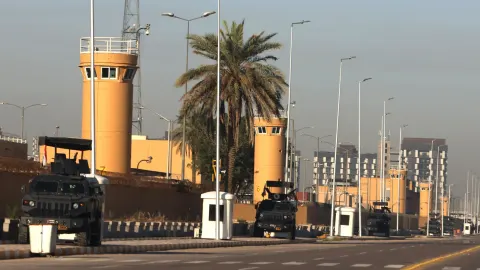
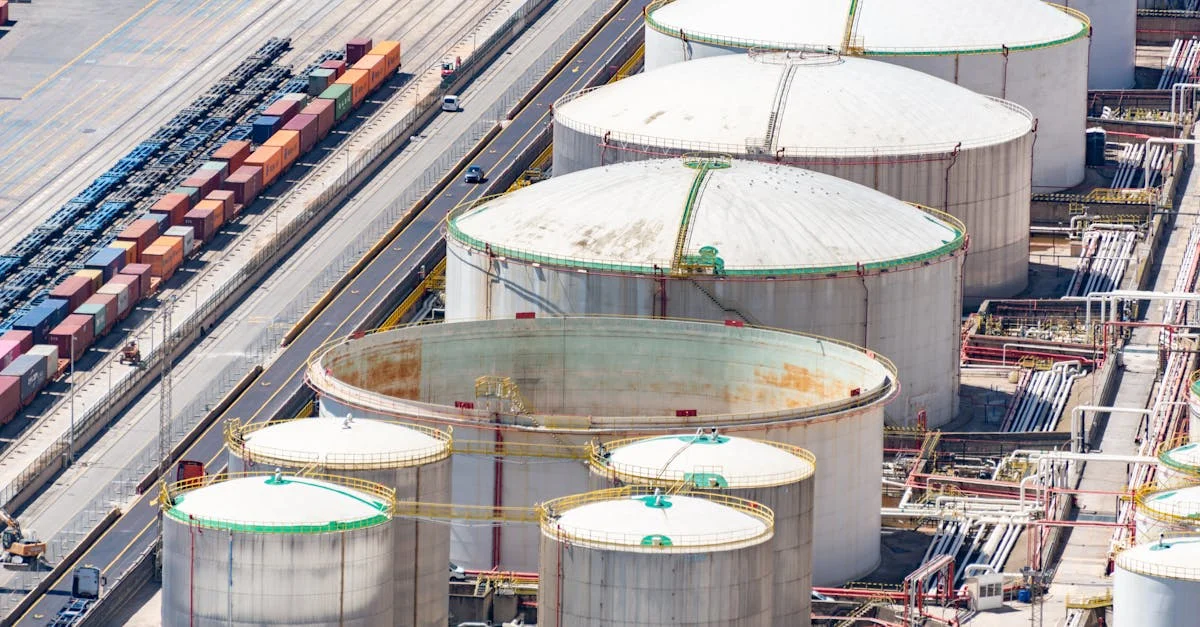
In a dramatic turn of events just hours before the previous deadline, President Donald Trump announced an extension of the ceasefire with Iran. This decision, reportedly prompted by a direct request from the Pakistani government acting as a mediator, has momentarily halted the escalation of direct military strikes. However, the relief is tempered by the reality of a continued naval blockade. US Treasury Secretary Scott Bessent has warned that Iran’s primary oil export facility at Kharg Island is nearing its absolute storage capacity. With tankers unable to leave the Persian Gulf, the Iranian energy sector faces a 'shut-in' scenario where wells must be capped to prevent catastrophic pressure build-ups.
The implications of a full-capacity blockade are severe for the global energy market and the Iranian domestic economy. Closing down oil wells is not a simple flick of a switch; it is a complex engineering challenge that can lead to permanent damage to the reservoirs and a long-term decline in production capability. While the ceasefire prevents immediate bombardment, the economic strangulation continues. In Tehran, the domestic currency market remains frozen in a state of high-altitude suspense, with the USD selling at 153,450 Toman, showing no change (0.0%) over the last 24 hours as traders wait for a definitive diplomatic breakthrough.
Bitcoin’s $78,100 Breakout: War, Peace, and Billions in Buys
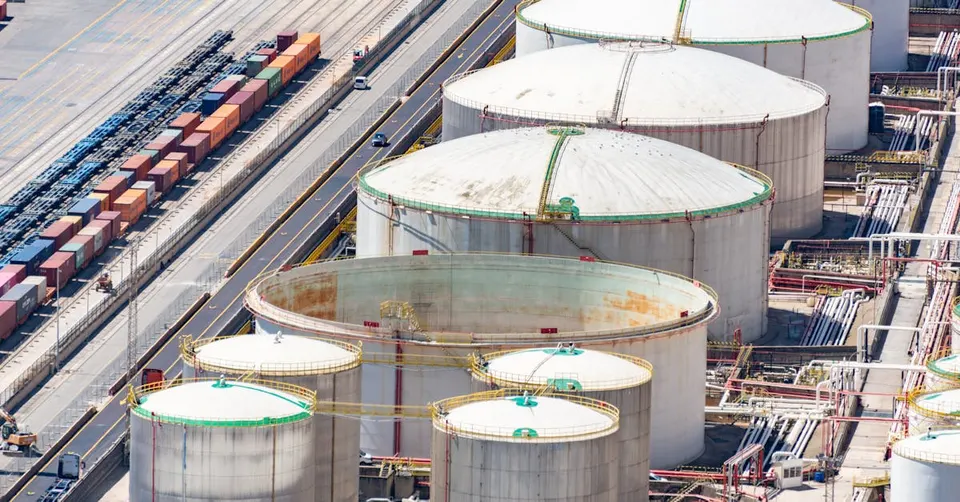
Cryptocurrency markets have reacted with explosive volatility to the geopolitical developments. Bitcoin (BTC) surged to $78,100, marking a 2.2% increase in the last 24 hours. This rally was fueled by two primary engines: the temporary de-escalation provided by the Trump ceasefire extension and a massive institutional play. 'Strategy' (formerly MicroStrategy) disclosed its largest Bitcoin purchase in 17 months, injecting $2.5 billion into the market. This move underscores a growing narrative that institutional players view Bitcoin as a 'neutral' reserve asset that thrives on the uncertainty of traditional fiat systems during times of conflict.
However, the crypto space is not without its own internal dramas. Justin Sun, the founder of Tron, has reportedly filed a lawsuit against the Trump-linked 'World Liberty Financial' over allegations of frozen assets. This legal battle highlights the complex intersections between the crypto elite and the current US administration. Despite the friction, the overall market sentiment remains bullish. Investors are increasingly betting that if the ceasefire leads to a more permanent 'grand bargain,' the resulting global liquidity surge will push Bitcoin well into the six-figure territory before the end of the year.
The Silicon Valley Shift: SpaceX’s $60 Billion AI Bet
While the world’s attention is fixed on the Persian Gulf, the tech sector is undergoing a massive structural realignment. Elon Musk’s SpaceX has reportedly secured an option to acquire the AI coding startup Cursor for a staggering $60 billion. This move signals Musk’s intention to dominate the developer tools market, integrating AI-driven automation directly into the aerospace and satellite infrastructure. By automating the complex code required for Starlink and Starship operations, SpaceX aims to slash development cycles and maintain its lead over state-sponsored competitors.
Simultaneously, Meta is pushing the boundaries of employee surveillance to fuel its own AI ambitions. Reports indicate that Mark Zuckerberg’s firm has begun recording every keystroke and mouse movement of its staff to train next-generation generative models. This 'internal data harvesting' strategy reflects the growing desperation among tech giants to find high-quality, human-generated data for training. As the Iran conflict disrupts physical supply chains—even leading to a predicted 30% rise in condom prices due to Malaysian rubber bottlenecks—the digital economy is doubling down on AI as the ultimate hedge against physical world instability.

Market Summary and Local Impact
In the Iranian domestic market, the Emami Gold Coin has seen a notable rise, moving from 174,000,000 to 176,000,000 Toman, a 1.1% increase over the last 24 hours. This reflects a persistent flight to safety among local investors who remain skeptical of the ceasefire’s longevity. Gold 18k remains steady at 17,606,537 Toman (0.0% change), while the global price of gold sits at a historic $4,767.30 per ounce. The divergence between the stagnant USD rate and the rising coin price suggests that the 'war premium' is being baked into physical assets rather than paper currency.
As the European Commission prepares to cut electricity taxes to cushion the energy fallout, the global community is bracing for a long summer of high costs. The extension of the ceasefire provides a window for diplomacy, led by Vice President JD Vance in Islamabad, but the window is narrow. For the average consumer, from the price of fuel to the cost of basic imports, the 'Iran War' is no longer a distant headline—it is an inflationary reality that is reshaping the global cost of living.
Frequently Asked Questions
Why did Donald Trump extend the Iran ceasefire?
What is the 'shut-in' risk at Kharg Island?
Why is Bitcoin rising despite the ongoing conflict?
How is the Iran war affecting global consumer prices?
Understanding Oil Supply Shocks and Their Ripple Effects on Global Markets
An oil supply shock occurs when a sudden, unexpected event sharply reduces the availability of crude oil, pushing prices upward. Classic examples include geopolitical conflicts, natural disasters, or strategic blockades—like the 2026 Kharg Island oil embargo that throttled a key Iranian export hub. When supply contracts while demand remains steady, the market reacts violently because oil is a highly inelastic commodity; even modest reductions can cause outsized price spikes.
The 2026 crisis illustrates how intertwined energy markets are with broader financial systems. Higher oil prices raise production costs across industries, fueling inflation and prompting investors to seek alternative stores of value. Cryptocurrencies, especially Bitcoin, often experience inflows during such turmoil, as seen when the price surged past $78,000 following the cease‑fire announcement that hinted at a potential easing of the oil blockade. This “flight to crypto” reflects a perception that digital assets are less tied to traditional energy‑linked economies.
Policy responses can either dampen or amplify the shock. A cease‑fire extension, as negotiated by the Trump administration, can quickly restore oil flow, stabilizing prices. Conversely, prolonged diplomatic stalemates keep supply constrained, prolonging high prices and sustaining the crypto rally. Central banks may also adjust monetary policy to counteract inflationary pressures, influencing both fiat and crypto markets.
Understanding oil supply shocks helps investors, policymakers, and everyday citizens anticipate cascading effects—from gasoline pumps to digital wallets. By monitoring geopolitical hotspots, storage levels, and strategic reserves, stakeholders can better gauge the timing and magnitude of market reactions, turning a potentially destabilizing event into an informed decision‑making opportunity.