Trump Extends Iran Ceasefire Amidst Diplomatic Maneuvers; EU Loan for Ukraine Approved
ترامپ آتشبس ایران را تمدید کرد؛ اتحادیه اروپا وام ۹۰ میلیارد یورویی برای اوکراین تصویب کرد
President Trump has unilaterally extended the fragile ceasefire with Iran at Pakistan's request, seeking a unified proposal from Tehran amid ongoing diplomatic efforts. Meanwhile, the European Union has moved closer to approving a critical €90 billion loan for Ukraine, a significant financial lifeline for the war-torn nation.
At time of publishing
USD
153,450
Toman
Gold 18K
17.78M
Toman / gram
Trump Extends Iran Ceasefire, Diplomacy in Focus
President Donald Trump has announced a unilateral extension of the ceasefire with Iran, citing a request from Pakistan, which is actively mediating peace talks. The move, which came just as the previous truce was set to expire, aims to provide more time for Tehran to present a "unified proposal." This decision underscores the complex geopolitical dance underway, with the US seeking de-escalation while simultaneously maintaining pressure through measures like the naval blockade, which Iran's UN envoy, Amir Saeid Iravani, has condemned as a violation of the ceasefire. The UN Secretary-General, Antonio Guterres, welcomed the extension as a crucial opportunity for diplomacy, highlighting the international community's desire for a peaceful resolution.
This extension, however, is fraught with tension. Iran's Foreign Minister Abbas Araghchi has stated that blocking Iranian ports is a direct violation of the ceasefire, and Iran's UN mission has denounced US actions as "piracy" following an attack on a commercial vessel in the Sea of Oman. The conflicting actions—ceasefire extension versus continued blockade and vessel attacks—create a precarious environment. The effectiveness of this extended pause will depend on genuine diplomatic engagement from both sides and a clear de-escalation of military actions in the region. The broader implications for global trade, particularly oil shipments, remain a significant concern, with reports of a second ship being attacked in the Strait of Hormuz.

---
EU Approves €90 Billion Loan for Ukraine Amidst Pipeline Resumption
Member states of the European Union are on the cusp of approving a substantial €90 billion loan package for Ukraine, a move that has been stalled for months due to vetoes from Hungary. This critical financial aid is seen as a vital lifeline for Ukraine, which has been struggling to maintain its economic stability amidst the ongoing conflict. The approval signals a united front from the EU in supporting Ukraine's recovery and reconstruction efforts, demonstrating a significant commitment to the nation's future.
Adding to the positive developments for Ukraine, the country has begun pumping oil through the Druzhba pipeline again, with deliveries to Slovakia expected to resume shortly. This resumption of oil flow is a crucial step in restoring energy security and economic stability for Ukraine and its European partners. The combined effect of the EU loan and the pipeline's operational restart offers a much-needed boost to Ukraine's resilience, though the long-term economic and security challenges remain considerable. The news comes as the broader region grapples with the economic fallout from the Iran conflict, with the UK reporting a rise in inflation driven by soaring fuel prices.

---
Global Markets React to Geopolitical Shifts and Economic Pressures
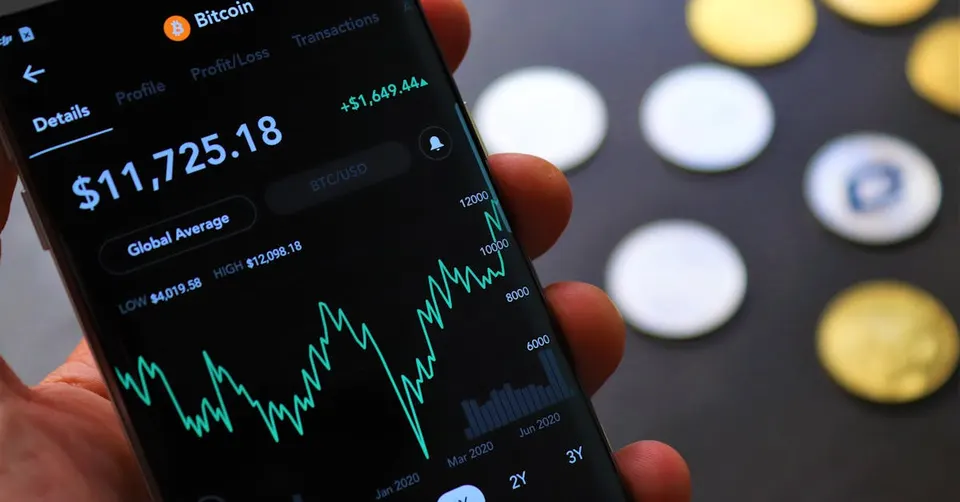
Global markets are navigating a complex landscape shaped by the extended Iran ceasefire and the EU's significant financial commitment to Ukraine. The Bitcoin market, which had seen a rally to $78,100 following earlier reports of a ceasefire extension and a large purchase by Strategy, continues to show resilience. However, the underlying geopolitical instability and the economic repercussions of regional conflicts, such as the rise in UK inflation to 3.3% due to soaring fuel prices, suggest that market sentiment could remain volatile. The ongoing naval blockade and reported attacks on commercial vessels in the Strait of Hormuz continue to cast a shadow over energy markets and global supply chains.
In the crypto space, while Bitcoin shows strength, other developments highlight ongoing risks. The Volo Protocol has reportedly lost approximately $3.5 million in a hack, underscoring the persistent security challenges within the decentralized finance (DeFi) sector. Separately, Tron's Justin Sun is suing a Trump-linked entity over frozen assets, indicating continued legal and regulatory complexities in the digital asset world. These events, juxtaposed with the broader geopolitical developments, illustrate the interconnectedness of global events and their impact on financial markets, from traditional commodities to emerging digital assets. The price of 18k gold per gram in Iran has seen a modest increase of 1.0%, and Emami coins are up 1.1%, reflecting local market responses to global price pressures and currency fluctuations.
Watch
Donald Trump Refuses To Extend Iran Ceasefire! Deal Or War? | U.S-Iran Peace Talks | N18G
CNBC-TV18
Frequently Asked Questions
What is the current status of the US-Iran ceasefire?
What is the significance of the EU loan for Ukraine?
How are global markets reacting to these developments?
What are the latest developments regarding oil and shipping in the Persian Gulf region?
What is Iran's official stance on the US actions?
Sovereign Debt and International Loans
When a country needs to fund a war effort, rebuild after a conflict, or simply cover a fiscal shortfall, it often turns to sovereign debt – borrowing money in its own name. Unlike corporate bonds, sovereign bonds are backed by the full faith and credit of a government, which means investors assess not just the country’s current budget but also its political stability, future growth prospects, and ability to service debt. The European Union’s recent approval of a multi‑billion‑euro loan for Ukraine is a classic example of a coordinated sovereign loan that combines direct financing with guarantees from multiple member states.
The mechanics of such loans involve a blend of bilateral and multilateral arrangements. In a bilateral loan, one country lends directly to another (e.g., the United States to a partner nation). Multilateral loans, like those from the European Investment Bank or the International Monetary Fund, pool resources from many contributors, spreading risk and often attaching policy conditions—such as reforms to improve fiscal discipline or anti‑corruption measures. These conditions aim to ensure that the borrowing country can repay the loan without destabilizing its economy.
Sovereign debt markets are also deeply intertwined with global financial stability. Large‑scale borrowing can affect a nation’s credit rating, influencing the interest rates it must pay. If investors perceive heightened risk—perhaps due to an ongoing cease‑fire in Iran or heightened geopolitical tension—they may demand higher yields, raising borrowing costs for the borrower and potentially spilling over into global markets. This is why institutions like the IMF monitor debt sustainability and why loan packages often include monitoring mechanisms.
Understanding sovereign debt helps explain why the EU’s loan to Ukraine matters beyond the immediate war. It signals confidence in Ukraine’s ability to honor its obligations, stabilizes the region’s financial outlook, and provides a template for how the international community can mobilize resources quickly in response to crises. For anyone following geopolitics, economics, or even cryptocurrency markets—where investors often look for safe‑haven assets during sovereign debt turbulence—grasping these fundamentals is essential.