Trump Extends Iran Ceasefire as Kharg Island Oil Hits Capacity; Bitcoin Rallies to $78k
تمدید آتشبس توسط ترامپ در آستانه تکمیل ظرفیت نفت خارگ؛ صعود بیتکوین به ۷۸ هزار دلار
Global markets catch a second wind as President Trump extends the Iran ceasefire, narrowly avoiding a massive escalation. Meanwhile, the strategic bottleneck at Kharg Island reaches a breaking point, and SpaceX makes a massive $60 billion bet on AI coding.
At time of publishing
USD
153,450
Toman
Gold 18K
17.61M
Toman / gram
Market Open — The Toman Holds Its Breath
As Tehran wakes up this Wednesday morning, the foreign exchange market remains in a state of suspended animation. The US Dollar is trading at 153,450 Toman for sellers and 152,542 for buyers, representing a 0.0% change over the last 24 hours. This unusual stability is a direct reflection of the geopolitical 'pause button' pressed overnight in Washington. Traders are hesitant to move in either direction until the outcome of the high-stakes diplomacy in Islamabad becomes clearer.
In the gold market, we see a similar pattern of consolidation. The 18-karat gold gram stands firm at 17,606,537 Toman, while the Emami coin is priced at 174,000,000 Toman, also showing no change from yesterday's close. Despite the local stagnation, global gold has surged to $4,769.50 per ounce, suggesting that if the domestic currency remains stable, the 'bubble' in local gold coins might actually begin to shrink as international prices catch up.
The Kharg Island Ticking Clock: Why Trump Extended the Ceasefire
The most significant story overnight is President Trump’s decision to extend the ceasefire with Iran just hours before it was set to expire. While the rhetoric remains fiery, the reality on the ground is dictated by logistics. US Treasury Secretary Scott Bessent warned that Iran’s primary oil export terminal at Kharg Island is nearing absolute capacity. Because of the ongoing maritime blockade, Iran has been unable to export its crude, leading to a situation where they must either reach a diplomatic deal or physically shut down their 'fragile' oil wells—a move that could cause permanent geological damage to the fields.
This extension wasn't just a gesture of goodwill; it was a response to a direct request from Pakistan, which is currently acting as the primary mediator. Trump’s pivot suggests that the administration is wary of the global energy shock that would follow a total shutdown of Iranian production. European markets are already bracing for impact, with the European Commission drafting emergency plans to cut electricity taxes and coordinate gas storage refills to cushion the blow of the ongoing conflict.
What this means for you is a temporary window of stability. The 'war premium' on the Dollar hasn't disappeared, but it has stopped growing for the moment. However, the underlying tension remains: if the Islamabad talks fail to produce a 'unified proposal' as Trump demands, the return to hostilities could be swifter and more aggressive than before. The market is currently pricing in a 50/50 chance of a long-term deal.
The Strait of Hormuz: A New Kind of Deterrent
While the world watches the missile batteries, a more subtle war is being fought in the shipping lanes. Analysts are now pointing to Iran’s 'non-nuclear deterrent'—its ability to systematically disrupt the Strait of Hormuz—as its most potent weapon. Overnight, reports surfaced of an attack on a container ship off the coast of Oman, highlighting that even during a ceasefire, the 'shadow war' at sea continues. This has sent marine insurance premiums to record highs, affecting everything from oil to consumer goods.
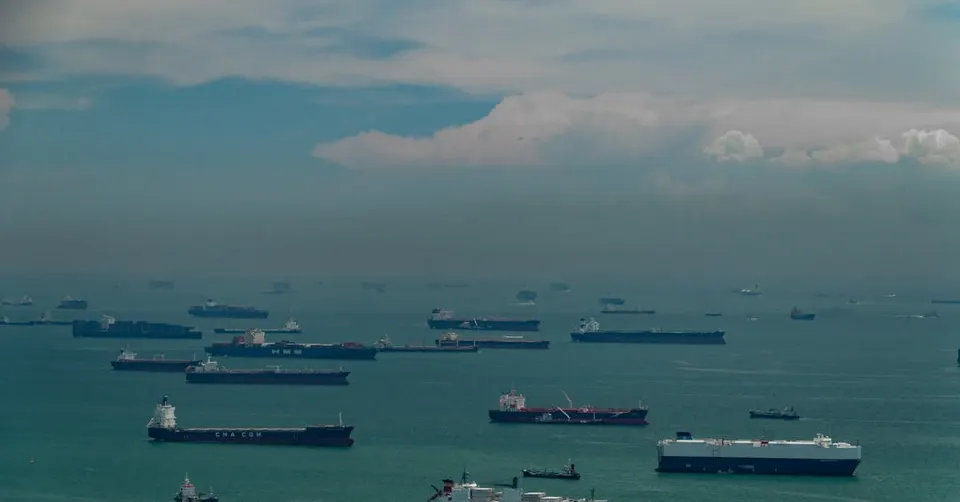
In a surprising twist, the world’s largest condom manufacturer, Malaysia’s Karex, announced that prices could rise by up to 30% due to these supply chain disruptions. It serves as a stark reminder of how interconnected the modern economy is; a naval blockade in the Persian Gulf eventually hits the pockets of consumers in London, New York, and Sydney. The UK and France are now reportedly preparing to lead joint military talks to secure these lanes, a move that could either stabilize the region or draw European powers deeper into the conflict.
For the average Iranian, this means that even if the exchange rate stays flat, the cost of imported goods will likely continue to climb. Shipping delays and increased freight costs are the 'hidden inflation' that doesn't always show up on the currency charts immediately but will certainly be felt at the supermarket and the pharmacy within the coming weeks.
Tech & Crypto: SpaceX’s $60bn AI Bet and Bitcoin’s Rally
Away from the front lines, the tech world was rocked by news that Elon Musk’s SpaceX is moving to acquire Cursor, an AI coding startup, for a staggering $60 billion. This is one of the largest tech acquisitions in history and signals a massive shift in how software will be built. SpaceX isn't just a rocket company anymore; it’s positioning itself to own the tools that automate the very foundation of modern engineering. If the deal goes through, it would integrate AI-driven code generation directly into the manufacturing of Starships and Starlink satellites.
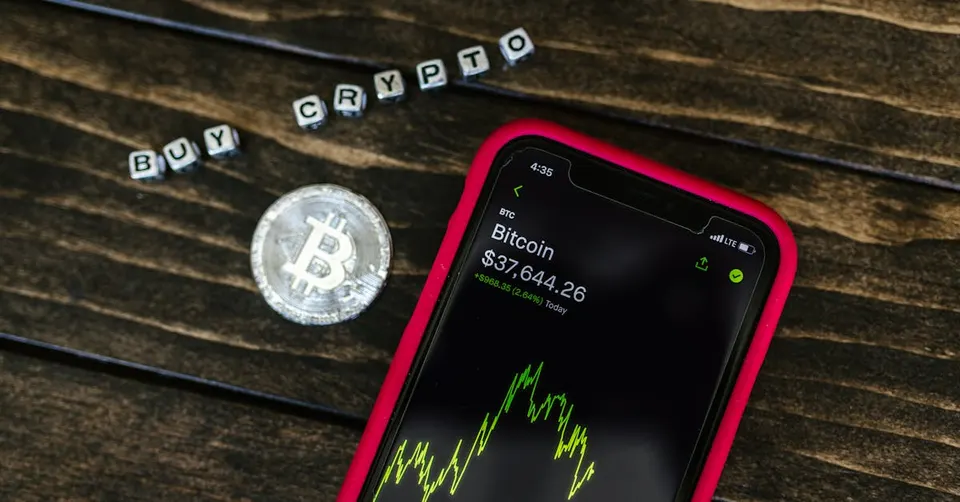
Simultaneously, Bitcoin has surged to $78,100, up 2.2% in the last 24 hours. The rally was fueled by two factors: the relief felt across global markets following the Iran ceasefire extension and MicroStrategy’s disclosure of its largest Bitcoin purchase in 17 months, worth $2.5 billion. When institutional giants like Michael Saylor double down during times of geopolitical strife, it reinforces the 'digital gold' narrative that many investors use to hedge against traditional market volatility.
For local investors, the Bitcoin rally provides a rare opportunity for gains that are decoupled from the Toman’s performance. While the local currency is stagnant, those holding BTC have seen a 4.3% increase over the week. As the global financial system becomes increasingly fragmented by wars and sanctions, decentralized assets like Bitcoin are proving to be the preferred escape hatch for both retail and institutional capital.
Watch
US, Iran Ceasefire Extension Talks Underway? | 04 PM News Headlines | 16 April 2026
SAMAA TV
Frequently Asked Questions
Why did Donald Trump extend the ceasefire with Iran?
How is the Strait of Hormuz affecting daily prices?
Why is Bitcoin rising while the Toman is stable?
The Strategic Importance of the Strait of Hormuz
The Strait of Hormuz, a narrow waterway between Oman and Iran, is one of the world’s most critical maritime chokepoints. Roughly 20% of global petroleum consumption passes through this 21‑mile (34‑km) corridor, making any disruption—whether from geopolitical tension, accidents, or naval blockades—a potential shock to the global energy market. Because the strait connects the Persian Gulf’s massive oil‑producing nations (Iran, Saudi Arabia, Iraq, Kuwait, and the United Arab Emirates) with the open ocean, it essentially serves as the gateway for the majority of the world’s seaborne crude and refined product shipments.
When Iran extends a ceasefire or announces changes to oil output, as seen with the recent Kharg Island capacity boost, market participants immediately assess the risk of reduced flow through the strait. Even a modest reduction in daily transit volumes can tighten global supply, push up oil prices, and ripple into related commodities like gold. The strategic calculus is further complicated by the presence of naval forces from the United States and allied countries, which maintain a constant patrol to ensure freedom of navigation, while Iran periodically signals its capability to threaten shipping with mines or missile drills.
Historically, the strait has been a flashpoint during the Iran‑Iraq War, the 2012 naval skirmishes, and more recently during heightened U.S.–Iran tensions. Each incident underscores how the strait’s vulnerability can translate into rapid price spikes in crude, gasoline, and even affect broader financial markets, including cryptocurrencies, as investors seek alternative stores of value. Understanding the strait’s role helps explain why news about Iranian ceasefires, oil capacity upgrades, or regional security developments can move markets worldwide.
For policymakers and investors alike, monitoring the Strait of Hormuz is essential. It provides early warning of supply shocks, informs strategic reserves decisions, and highlights the interconnectedness of geopolitics and commodity markets. In an era of energy transition, the strait remains a linchpin of the existing fossil‑fuel infrastructure, and its stability—or lack thereof—continues to shape global economic dynamics.