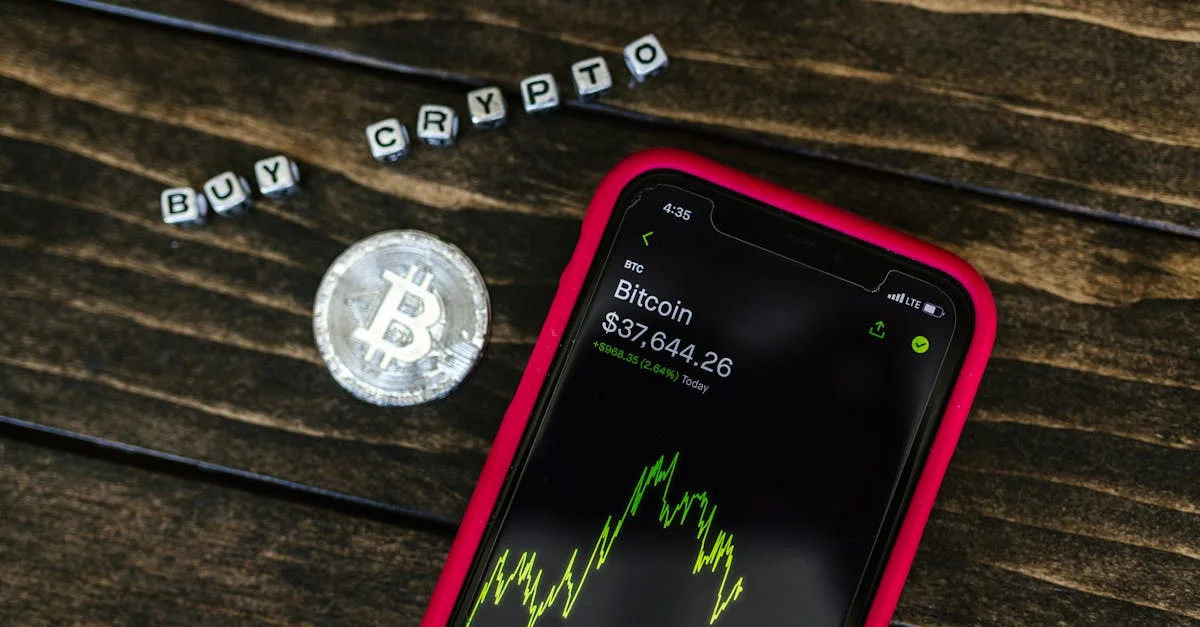
Bitcoin Nears $78k Amid Geopolitical Tensions; AI Security Breach Raises Alarms
بیتکوین به 78 هزار دلار نزدیک شد؛ نقض امنیتی AI زنگخطرها را به صدا درآورد
Bitcoin's approach to the $78,000 mark amid geopolitical strife and an AI security breach highlight today's news. Meanwhile, EU's Ukraine loan standoff sees progress.
At time of publishing
USD
153,450
Toman
Gold 18K
17.78M
Toman / gram
Bitcoin Tests $78,000 Amid Global Tensions
Bitcoin is currently testing the critical $78,000 resistance level as global financial markets grapple with geopolitical tensions and economic uncertainty. The cryptocurrency saw a flurry of activity as traders positioned themselves for potential gains or losses, given the heightened risk environment. According to CoinDesk, the market is experiencing significant liquidations, with around $180 million at stake, as investors remain wary of the ongoing geopolitical developments, particularly in the Middle East.
This surge in Bitcoin's price comes amidst ongoing tensions in the Strait of Hormuz, where recent attacks on ships have exacerbated fears of broader conflict. The cryptocurrency's appeal as a 'safe haven' asset is underscored by these events, pushing investors to seek refuge from traditional market volatility. As Bitcoin edges closer to this significant price barrier, the market watches closely to determine if it will act as a launchpad for further growth or a ceiling constraining its rise.
AI Security Breach Raises Concerns
In the realm of technology, a major security breach involving Anthropic's AI model, Mythos, has raised alarms across the cybersecurity community. The AI, known for its advanced cybersecurity capabilities, was accessed by unauthorized users, potentially exposing sensitive data and compromising its intended protective functions. Bloomberg reports that the breach involved a third-party contractor who facilitated access to a private online forum, highlighting vulnerabilities in managing cutting-edge technologies.
The incident underscores the critical need for robust security measures and protocols when deploying AI technologies, especially those with the potential to impact national security and economic stability. As AI becomes increasingly integrated into various sectors, ensuring its security against unauthorized access remains paramount. This breach serves as a stark reminder of the challenges that accompany technological advancement, prompting calls for more stringent oversight and security frameworks.

EU Makes Progress on Ukraine Loan
In European politics, the EU is inching closer to finalizing a crucial €90 billion loan package for Ukraine, following a prolonged standoff primarily due to objections from Hungary. The impasse, which has been a significant point of contention within the EU, saw a breakthrough as member states gathered to discuss the terms and ensure the funds' timely disbursement. This financial aid is pivotal for Ukraine, aiming to stabilize its economy amid ongoing geopolitical tensions with Russia.
The resolution of this deadlock signifies a unified stance by EU member states in supporting Ukraine, reflecting a broader commitment to regional stability and economic resilience. The loan is also seen as a strategic move to counter Russian influence in Eastern Europe, bolstering Ukraine's position both economically and politically. As the EU moves forward with this financial package, it underscores the bloc's role in shaping the geopolitical landscape of the region.
Iran and Regional Developments
In the Middle East, tensions remain high as Iran's military actions in the Strait of Hormuz continue to draw international attention. Reports indicate recent enforcement activities by Iran's military, leading to heightened security measures and diplomatic exchanges. This comes in the wake of President Trump's extension of a ceasefire, which Tehran has not yet agreed to join, adding layers of complexity to the already volatile situation.
The developments in the region have significant implications for global energy markets, given the strategic importance of the Strait of Hormuz for oil transportation. As diplomatic efforts continue, the international community closely monitors the situation, recognizing the potential for escalation and its broader impact on global economic stability.
Technology and Market Trends
In technology, Anker's announcement of a new AI chip designed for local processing has captured the industry's attention. The chip, touted as the world's first neural-net compute-in-memory AI audio chip, promises to enhance efficiency and reduce power consumption in audio devices and IoT applications. This innovation highlights the ongoing evolution in AI hardware, focusing on integrating AI capabilities into consumer electronics without the need for extensive cloud computing resources.
Such advancements reflect the broader trend towards decentralizing AI processing, which can lead to more secure, efficient, and user-friendly applications. As companies continue to push the boundaries of what's possible with AI, these technological strides are set to redefine consumer expectations and industry standards in the coming years.
Watch
CEASEFIRE EXTENSION: Will Bitcoin Hit $85,000 next?
Crypto Banter
Frequently Asked Questions
What impact does the geopolitical tension have on Bitcoin's price?
What was the nature of the AI security breach at Anthropic?
How significant is the EU's loan package for Ukraine?
Bitcoin as a Safe‑Haven Asset: Why Geopolitical Tensions Can Push Prices Higher
When wars, sanctions, or diplomatic crises erupt, investors scramble for assets that are expected to retain value. Traditionally, gold, the U.S. dollar, and Swiss franc have filled this "safe‑haven" role. In recent years, Bitcoin has begun to be discussed in the same context because its price often spikes during periods of heightened geopolitical risk. The underlying idea is simple: Bitcoin is a decentralized, borderless store of value that cannot be seized by any single government, making it attractive when traditional financial systems appear vulnerable.
Empirical studies show that Bitcoin’s correlation with equity markets weakens during crises, while its correlation with gold can rise, suggesting that it sometimes behaves like a digital gold. For example, during the early months of the Russia‑Ukraine war and the escalation of tensions in the Middle East, Bitcoin rallied from around $30,000 to near $78,000, outpacing many stock indices. This rally was driven not only by speculative buying but also by institutional investors seeking diversification away from fiat currencies that could be affected by sanctions or capital controls.
However, the safe‑haven narrative is not without caveats. Bitcoin remains highly volatile, its market is still relatively immature, and regulatory uncertainty can cause sudden price drops. Moreover, the asset’s price is influenced by technological factors—such as AI‑driven trading bots and security breaches—that can amplify swings independent of geopolitical events. Understanding these dynamics helps investors gauge whether Bitcoin truly offers protection or simply adds another layer of risk to a portfolio.
In practice, the decision to allocate funds to Bitcoin as a hedge should consider the investor’s risk tolerance, time horizon, and the broader macro‑environment. A modest exposure—often cited as 1‑5 % of a diversified portfolio—can provide a potential upside during crises while limiting the impact of Bitcoin’s inherent price swings.
For those who want to dig deeper, the literature on safe‑haven assets, Bitcoin’s market behavior, and the intersection of technology and geopolitics offers a rich field of study, highlighting both the promise and the perils of treating digital currencies as a refuge in turbulent times.