Hormuz Seizures and 'Trumpflation' Rattle Global Markets as AI Security Fails
توقیف کشتیها در هرمز و وحشت «ترامپفلشین» در بازارهای جهانی؛ بحران امنیتی در هوش مصنوعی
The IRGC Navy has seized two foreign vessels in the Strait of Hormuz, creating a sharp contrast to President Trump's ceasefire extension. Meanwhile, UK inflation has surged to 3.3% as the 'Trumpflation' effect hits global energy and travel sectors.
At time of publishing
USD
153,450
Toman
Gold 18K
17.79M
Toman / gram
Maritime Chess: IRGC Seizures Challenge the Ceasefire Narrative
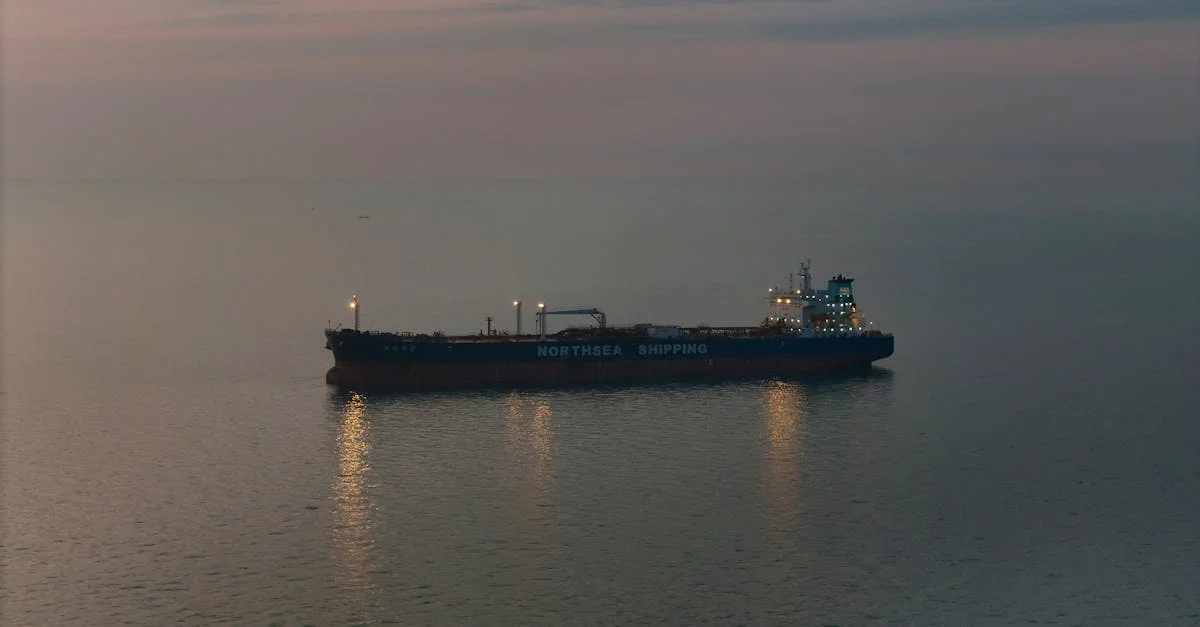
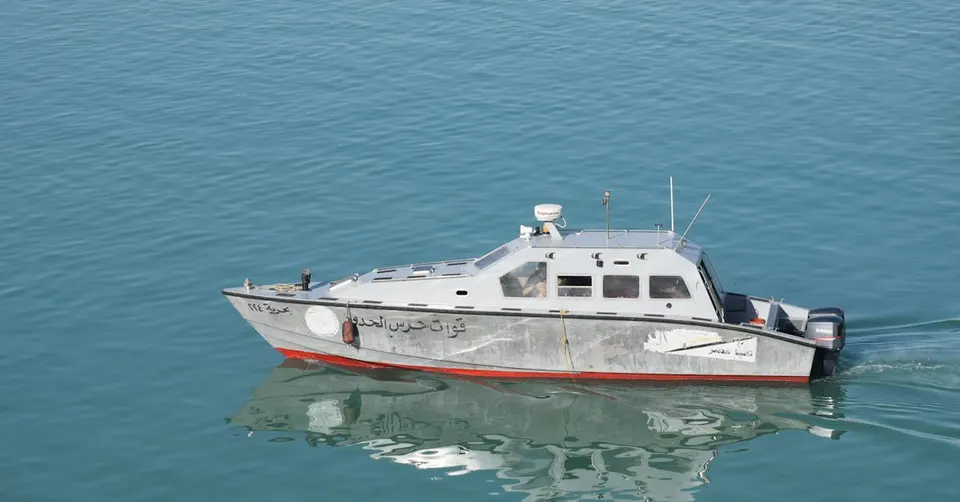
Despite the diplomatic atmosphere created by Donald Trump’s recent extension of the Iran ceasefire at Pakistan's request, the situation on the water remains volatile. The IRGC Navy has officially announced the seizure of two foreign-flagged ships in the Strait of Hormuz, citing violations of navigational protocols and threats to maritime safety. This move is interpreted by analysts as a strategic signal from Tehran: while diplomatic channels remain open, Iran will not compromise on its maritime enforcement or its response to what it describes as the previous US seizure of an Iranian commercial vessel.
The timing of these seizures is particularly critical. It comes just as President Pezeshkian and military leaders have been praising the IRGC for thwarting foreign conspiracies. By taking action in the world's most vital oil chokepoint, Iran is demonstrating that a 'ceasefire' on the ground does not necessarily equate to a cessation of naval enforcement. This 'stalemate'—as described by international observers—suggests that Iran believes it can hold its ground in a prolonged standoff longer than the Trump administration, even as the economic pressure on average citizens continues to mount.
The Rise of 'Trumpflation': Energy Hoarding and Global Price Shocks
Across the Atlantic and throughout Europe, the economic fallout of the prolonged Middle East tension is manifesting as 'Trumpflation.' In the United Kingdom, official data shows inflation accelerated to 3.3% in March, the sharpest jump in fuel prices in over three years. The term, coined by political opponents of the current US administration's policies, reflects a growing sentiment that erratic geopolitical maneuvers are directly driving up the cost of living. It isn't just fuel at the pump; the ripple effects are hitting food prices and air travel, with Lufthansa recently announcing the cancellation of 20,000 summer flights due to skyrocketing jet fuel costs.
Adding to the pressure is a global trend of 'energy hoarding.' Wealthy nations, fearing a total disruption of Middle Eastern supplies, are aggressively securing oil stocks, which in turn drives prices higher for everyone else and leaves vulnerable developing nations in a precarious position. The travel giant Tui has already reported a €40 million hit to its profits, highlighting how the 'invisible' costs of the Iran war—such as the massive repatriation of holidaymakers from the Persian Gulf—are beginning to hollow out corporate balance sheets and consumer purchasing power alike.
AI Security Breach: Anthropic’s 'Mythos' Model Leaks to Unauthorized Users
In the technology sector, a major crisis is unfolding as Anthropic’s most advanced and potentially dangerous AI model, 'Mythos,' has reportedly fallen into the hands of unauthorized users. Mythos was designed with powerful cybersecurity capabilities that the company previously warned could be catastrophic if misused. The breach, allegedly facilitated by a third-party contractor, has sent shockwaves through the AI safety community. It raises fundamental questions about whether the world’s leading AI labs can actually secure the 'digital weapons' they are creating, especially as geopolitical tensions increase the demand for state-sponsored cyber tools.
While the software side of AI faces security failures, the hardware side is pivoting toward localized solutions. Anker has announced its own custom 'Thus' processor, the world's first neural-net compute-in-memory AI audio chip. By moving AI processing directly onto the device rather than relying on the cloud, companies like Anker are attempting to bypass the latency and privacy issues that have plagued the industry. This shift toward 'Edge AI' suggests that even as massive models like Mythos face security risks, the future of consumer tech will be defined by smaller, more efficient, and localized artificial intelligence.
Local Market Update: Gold Outpaces the Stable Dollar
In the Iranian domestic market, we are seeing a decoupling of gold and currency movements. The US Dollar (USD) remained perfectly flat over the last 24 hours, with the sell rate holding steady at 153,450 Toman. This stability suggests a heavy-handed central bank intervention or a temporary market exhaustion following the ceasefire news. However, the lack of movement in the dollar has not stopped gold from climbing. Gold 18k/gram rose from 17,606,537 to 17,794,219 Toman (+1.1%), reflecting a global flight to safety as maritime tensions in the Persian Gulf escalate.
The coin market showed even more aggressive bullish behavior. The Emami coin jumped from 174,000,000 to 177,500,000 Toman, marking a significant 2.0% increase in a single day. This premium on coins over bullion typically indicates that local retail investors are hedging against a potential breakdown of the current ceasefire. When the 'paper' dollar stays still but 'physical' gold moves, it is often a sign that the market is pricing in a risk that hasn't yet hit the currency exchange offices. Investors should watch the 153,500 Toman level for the USD; a break above this could trigger a secondary rally in gold and coins.
Frequently Asked Questions
Why did the IRGC seize ships despite the ceasefire extension?
What is 'Trumpflation' and how is it affecting the global economy?
How dangerous is the Anthropic 'Mythos' AI model leak?
Why is gold rising in Iran while the dollar remains stable?
The Strategic Importance of the Strait of Hormuz
The Strait of Hormuz is a narrow waterway linking the Persian Gulf with the Gulf of Oman and the wider Indian Ocean. At its narrowest point it is only about 21 nautical miles wide, yet roughly a third of the world’s daily oil supply—about 20 million barrels—passes through it each day. Because of this concentration, any disruption—whether a ship seizure by the Iranian Revolutionary Guard Corps (IRGC) Navy or a military incident—can instantly ripple through global energy markets, pushing oil prices higher and feeding into broader inflationary pressures often dubbed “Trumpflation” when energy costs surge.
Historically, the strait has been a flashpoint for geopolitical tension. During the Iran–Iraq War in the 1980s, Iran mined the waters and attacked tankers, prompting the U.S. Navy’s Operation Earnest Will to escort commercial vessels. More recent incidents, such as the 2023 seizure of a commercial tanker by the IRGC, have revived concerns that the strait could be weaponized to exert political leverage, especially amid sanctions and regional rivalries.
Economists model the strait as a classic “chokepoint” in supply‑chain theory: a single point whose capacity constraints can cause outsized price volatility. When traders anticipate a potential closure, futures contracts on crude oil spike, and currencies of oil‑importing nations—like the Iranian rial (USD/Toman rate) and even the gold price in Iran—react sharply. The resulting price shocks feed into headline inflation, as seen in the UK’s April 2026 CPI report, where energy‑related components accounted for a significant share of the rise.
Understanding the geopolitics of the Strait of Hormuz helps investors, policymakers, and citizens grasp why a localized naval incident can trigger worldwide economic ripples. It also underscores the importance of diplomatic channels and maritime security measures, such as the deployment of neutral escort vessels and international monitoring, to keep this vital artery open and stable.