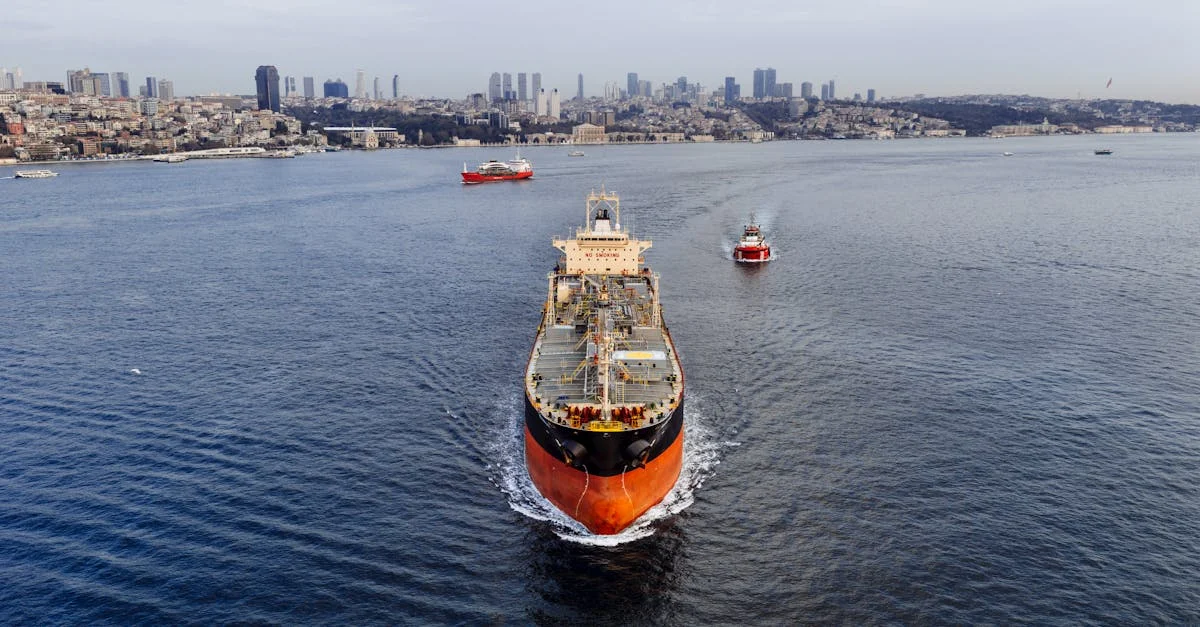
Hormuz Ship Seizures Clash with Trump’s Truce Extension as Gold Hits New Highs
توقیف کشتیها در هرمز همزمان با تمدید آتشبس ترامپ؛ طلا به قلههای جدید رسید
Despite Donald Trump’s unilateral extension of the Iran ceasefire, the IRGC has seized two foreign vessels in the Strait of Hormuz, sending gold prices up 1% as markets weigh the risk of renewed escalation.
At time of publishing
USD
153,450
Toman
Gold 18K
17.78M
Toman / gram
The Hormuz Paradox: Seizures Amidst a Ceasefire
In a dramatic escalation that underscores the fragility of current diplomatic efforts, the Islamic Revolution Guards Corps (IRGC) Navy has seized two foreign-flagged ships in the Strait of Hormuz. According to official reports, the vessels were detained for violating navigational protocols and endangering maritime safety. This move comes at a highly sensitive moment, occurring almost simultaneously with President Donald Trump’s announcement that he would unilaterally extend the existing two-week ceasefire. The juxtaposition of these events suggests a complex 'chess game' where Tehran is asserting its maritime sovereignty even as Washington attempts to maintain a diplomatic window.
From Tehran’s perspective, the extension of the ceasefire is being framed as a sign that the White House 'blinked first.' Iranian officials have indicated that while they are considering the request for a longer truce, any decision will be based strictly on national security interests. For the global community, the seizure of ships in the world’s most vital oil chokepoint serves as a stark reminder that the 'tanker war' remains a latent threat. The immediate impact was felt in the insurance and shipping sectors, with risk premiums for Gulf transit expected to climb despite the formal pause in direct military strikes between the primary combatants.

---
Google’s Multi-Billion Dollar AI Bet with Thinking Machines
While geopolitics roils the Middle East, the tech sector is witnessing a massive consolidation of power. TechCrunch has exclusively revealed that Google Cloud has signed a multi-billion-dollar infrastructure deal with Mira Murati’s Thinking Machines Lab. This partnership is centered on the deployment of Nvidia’s latest GB300 chips, which are designed to handle the massive compute requirements of next-generation 'reasoning' models. The deal highlights a significant shift in the AI landscape, as Google moves to secure its dominance against rivals by locking in the most advanced hardware and talent in the industry.
This move is not just about raw power; it is about the survival of the cloud business in an AI-first economy. By integrating Thinking Machines’ advanced logic layers into Google Cloud, the search giant is betting that enterprise clients will prioritize 'intelligence-as-a-service' over simple storage or hosting. For investors, this represents a massive capital expenditure that signals confidence in a long-term AI boom, even as global energy costs—driven by the conflict in Iran—threaten the margins of data center operators worldwide. The integration of generative AI into Google Maps, also announced today, further proves that the company is racing to embed these tools into every facet of the consumer experience.

---
'Trumpflation' and the Global Economic Ripple
The economic fallout of the prolonged standoff is becoming increasingly visible in Western capitals. In the United Kingdom, inflation has accelerated to 3.3% for March, a surge largely attributed to the spike in fuel prices triggered by the tensions in the Persian Gulf. Political opponents of the current government have dubbed this phenomenon 'Trumpflation,' arguing that the US President’s erratic diplomatic style and reliance on blockades are driving up the cost of living globally. Major travel groups like Tui and airlines such as Lufthansa have already begun cutting profit forecasts and canceling thousands of summer flights, citing the unsustainable cost of jet fuel.
Meanwhile, the European Union has finally moved toward approving a €90 billion loan for Ukraine, a move that was stalled for months by Hungary’s Viktor Orban. The breakthrough reportedly came after the reopening of the Druzhba pipeline, suggesting that energy security remains the ultimate lever in European diplomacy. For the average consumer, whether in London or Tehran, the message is clear: the geopolitical premium is now a permanent fixture of the economy. As wealthy nations hoard energy stocks to protect against further disruptions, the resulting scarcity is pushing prices higher for everyone else, creating a feedback loop of inflation that central banks are struggling to contain.
---
Gold Gains Momentum as the Dollar Holds Steady
In the Iranian markets, the past 24 hours have shown a distinct divergence between currency and hard assets. While the USD/IRR remained remarkably stable at a sell rate of 153,450 Toman (0.0% change), gold has seen a significant uptick. 18-karat gold rose by 1.0% to reach 17,782,907 Toman per gram, and the Emami coin jumped 1.7% to 177,000,000 Toman. This suggests that local investors are increasingly wary of the 'ceasefire' narrative and are seeking the safety of gold as a hedge against a potential breakdown in negotiations.
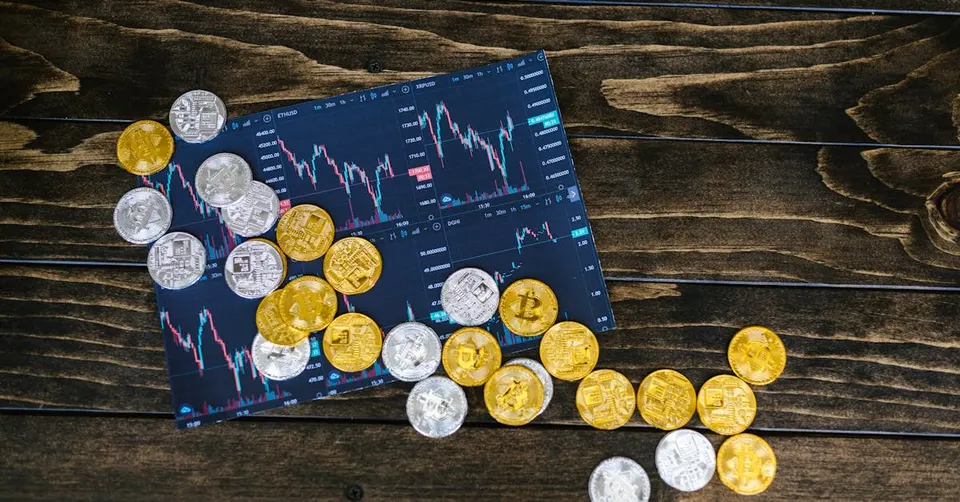
On the global stage, Bitcoin is currently testing the $78,000 resistance level. Momentum traders are watching this closely, as a breakout could trigger a massive short squeeze. However, the crypto market remains highly sensitive to news from the Strait of Hormuz; any further ship seizures or a collapse of the truce could send risk-on assets like BTC into a volatile tailspin. For now, the market is in a 'wait-and-see' mode, balancing the optimism of a diplomatic extension against the reality of continued maritime friction.
Frequently Asked Questions
Why did gold prices rise while the USD/IRR remained stable?
What is 'Trumpflation' and how does it affect the UK?
What does the Google-Thinking Machines deal mean for AI?
Why Gold Becomes a Safe‑Haven During Geopolitical Crises
A safe‑haven asset is an investment that is expected to retain or increase its value during periods of market stress, political instability, or economic uncertainty. Gold has long held this status because it is a tangible, universally recognized store of value that does not depend on any single country’s creditworthiness or monetary policy. Unlike stocks or fiat currencies, gold cannot be printed, and its supply grows only through mining, making it a hedge against inflation and currency devaluation.
Historical data show that gold prices often surge when geopolitical tensions flare. During the 2008 financial crisis, gold rose from about $800 to over $1,000 per ounce. The Arab Spring, the 2011 European sovereign‑debt crisis, the 2020 COVID‑19 pandemic, and the 2022 Russia‑Ukraine war each triggered sharp jumps in gold’s price, sometimes exceeding 30 % in a few months. These spikes reflect investors’ flight to perceived stability when confidence in equities, bonds, or currencies erodes.
The price‑movement mechanism works through several channels. First, risk‑averse investors reallocate capital from equities and high‑yield bonds into gold, boosting demand for physical bars, coins, and exchange‑traded funds (ETFs). Second, central banks may increase their gold reserves to diversify away from volatile foreign‑exchange holdings. Third, a weakening of the U.S. dollar—often the world’s reserve currency—makes gold cheaper for holders of other currencies, further lifting demand. All of these factors feed into the spot price of gold on global markets.
In the current context, the seizure of a vessel in the Strait of Hormuz and the uncertainty surrounding a renewed U.S.–Iran cease‑fire extension have reignited fears of a broader Middle‑East conflict. Such headlines have coincided with gold breaking previous records, as traders anticipate potential disruptions to oil supplies and heightened market volatility. The metal’s price rally illustrates how quickly geopolitical news can translate into real‑time shifts in investor behavior.
For investors, gold’s safe‑haven appeal offers diversification benefits, but it is not without risk. Prices can be volatile, and the metal does not generate income like dividends or interest. Moreover, sudden de‑risking episodes can lead to rapid price corrections. Understanding the underlying drivers—geopolitical risk, currency dynamics, and central‑bank policy—helps investors decide how much gold to hold within a balanced portfolio.