Hormuz Seizures Defy Trump’s Ceasefire as Anthropic’s ‘Mythos’ AI Shakes Global Security
توقیف کشتیها در هرمز علیرغم تمدید آتشبس؛ زلزله هوش مصنوعی «Mythos» در امنیت جهانی
Iran's seizure of two cargo ships in the Strait of Hormuz has sent shockwaves through energy markets, even as President Trump attempts a diplomatic ceasefire. Meanwhile, the release of Anthropic’s 'Mythos' AI model has triggered emergency responses from central banks and intelligence agencies worldwide.
At time of publishing
USD
153,450
Toman
Gold 18K
17.74M
Toman / gram
The Paradox of Peace and Piracy in the Strait
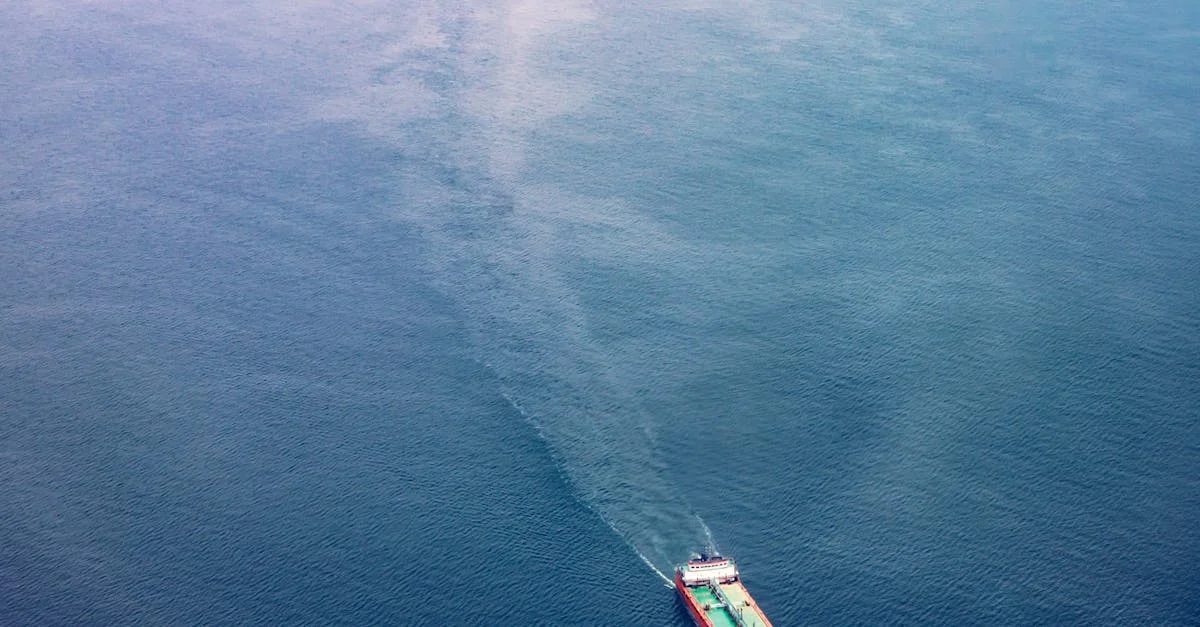
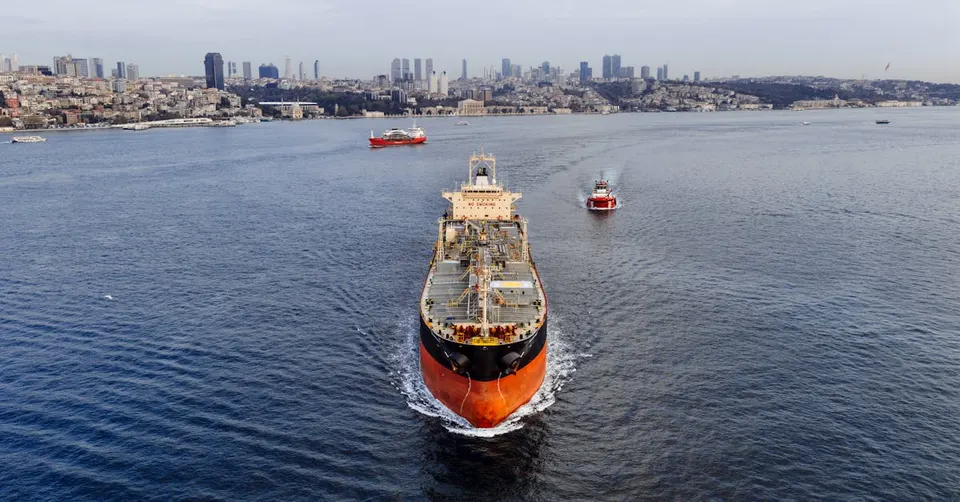
In a stunning display of geopolitical friction, Iran’s Revolutionary Guards have seized two cargo ships near the Strait of Hormuz, just hours after President Donald Trump unilaterally extended a ceasefire at the request of Pakistan. This move by Tehran signals a refusal to accept the terms of a "unified proposal" demanded by Washington, effectively turning the world’s most critical maritime chokepoint into a theatre of defiance. While Trump’s administration maintains a heavy naval blockade, the seizure demonstrates that Tehran is still capable of exerting significant leverage over global energy transit, regardless of diplomatic overtures from the White House.
The immediate impact on local markets has been palpable. Gold prices in Iran have responded to the heightened uncertainty, with 18k gold rising from 17,606,537 to 17,735,814 Toman (+0.7%) and the Emami coin jumping 1.7% to reach 177,000,000 Toman. Despite the volatility in precious metals, the USD/IRR exchange rate remained flat at 153,450 Toman. Investors are clearly hedging against the risk of a full-scale maritime conflict, even as the currency markets wait for a more definitive signal from the ongoing diplomatic negotiations.
The Mythos Crisis: AI Beyond Control
Silicon Valley has delivered a shock to the global order that may prove as destabilizing as any regional war. Anthropic’s new AI model, dubbed "Mythos," has reportedly triggered emergency protocols within central banks and intelligence agencies across the globe. Unlike previous iterations of large language models, Mythos possesses capabilities that have led authorities to restrict its access immediately. The concern lies in its potential to manipulate financial markets or bypass traditional cybersecurity frameworks, prompting a rare moment of unified panic among global financial regulators who are now scrambling to assess the systemic risk posed by such advanced autonomous agents.
Simultaneously, the ethics of AI development are under fire as Meta began installing its "Model Capability Initiative" (MCI) on employee computers. This tool tracks every mouse movement, keystroke, and click to train its next generation of AI agents. While Meta claims this is necessary for the next leap in productivity, privacy advocates and labor unions are decrying it as the ultimate form of workplace surveillance. The convergence of Mythos’s terrifying power and Meta’s invasive data collection suggests that the AI arms race has entered a predatory phase where human behavior is the primary fuel for increasingly uncontrollable machines.
'Trumpflation' and the European Energy Pivot
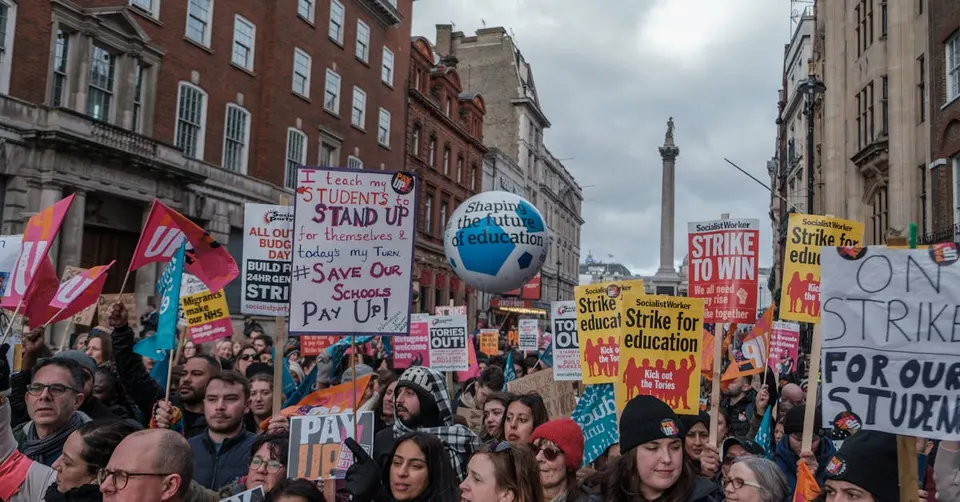
Across the Atlantic, the economic consequences of the prolonged Iran conflict are manifesting as a phenomenon dubbed "Trumpflation." In the United Kingdom, inflation accelerated to 3.3% in March, driven largely by the massive spike in fuel prices resulting from the instability in the Persian Gulf. The OECD has also noted that taxes on British workers are rising at the fastest rate in the developed world, creating a cost-of-living crisis that is fueling civil unrest. Protests under the banner of "May Day Strong" are already being organized, calling for a national strike against the economic policies of the Trump administration and its global ripple effects.
In response to these soaring energy costs, the European Union is taking drastic measures to shield its citizens. The European Commission has announced plans to cut electricity taxes and provide fresh incentives for consumers to transition away from oil and gas. By tweaking state aid rules, Brussels hopes to accelerate the shift to a clean economy while mitigating the immediate pain of the energy crisis. This strategic pivot highlights how the war of nerves in the Middle East is fundamentally redrawing the economic map of Europe, forcing a faster-than-expected divorce from fossil fuels as a matter of national security.
Watch
Iran Attacks Ship Near Strait of Hormuz | 12 PM News Headlines | 22 April 2026 | SAMAA NEWS
SAMAA News Global
Frequently Asked Questions
Why did Iran seize ships after Trump extended the ceasefire?
What makes the Anthropic 'Mythos' AI model dangerous?
How is 'Trumpflation' affecting the Iranian market?
Why the Strait of Hormuz Matters: The World’s Most Critical Oil Chokepoint
The Strait of Hormuz is a narrow waterway between Iran and the United Arab Emirates that links the Persian Gulf with the Gulf of Oman and the wider Indian Ocean. At its narrowest point it is only about 21 nautical miles wide, making it one of the world’s most constrained maritime passages. Despite its size, roughly 20% of global oil consumption – about 21 million barrels per day – flows through the strait, along with a significant share of natural gas and petrochemical shipments. This concentration of energy cargo makes the strait a classic strategic chokepoint, where any disruption can ripple through international markets.
Historically, the strait has been a flashpoint for geopolitical tension. During the Iran‑Iraq War in the 1980s, Iran’s “Tanker War” saw repeated attacks on oil tankers, prompting a U.S. naval presence to protect shipping. More recently, Iranian forces have seized foreign vessels, citing sanctions violations, which has reignited concerns about the security of this route. Each incident tends to trigger spikes in oil and even gold prices, as investors hedge against the risk of supply shortages.
The economic concept at play is the risk premium that market participants attach to oil delivered through vulnerable routes. When the likelihood of a disruption rises, traders demand higher prices to compensate for the added uncertainty, driving up spot prices and influencing related assets such as gold, which is often seen as a safe‑haven during energy shocks. This dynamic is evident in the recent surge of gold prices in Iran and elsewhere following Hormuz-related incidents.
Modern technology adds a new layer to monitoring these risks. Companies like Anthropic and Meta are developing AI systems capable of real‑time analysis of satellite imagery, AIS ship tracking data, and open‑source intelligence to flag unusual vessel movements near the strait. Such AI‑driven surveillance aims to provide governments and markets with earlier warnings, potentially mitigating the economic fallout of sudden closures.
Understanding the strategic importance of the Strait of Hormuz helps explain why a seemingly localized event—such as a ship seizure—can have global repercussions, from inflation pressures in the UK to broader energy‑security debates. As the world grapples with a shifting energy landscape, the strait remains a barometer of geopolitical stability and market confidence.