Hormuz Seizures Defy Trump’s Truce as Gold Outpaces the Dollar in Tehran Markets
تداوم توقیفها در هرمز علیرغم آتشبس ترامپ؛ پیشتازی طلا و سکه از دلار در بازار تهران
Despite Donald Trump’s unilateral ceasefire extension, the IRGC has seized two cargo ships in the Strait of Hormuz, signaling a deepening disconnect between diplomatic gestures and maritime reality. Meanwhile, gold and coins in Tehran are rising significantly faster than the dollar as investors hedge against a fragile peace.
At time of publishing
USD
154,050
Toman
Gold 18K
17.77M
Toman / gram
The Hormuz Paradox: Seizures Amidst a Truce
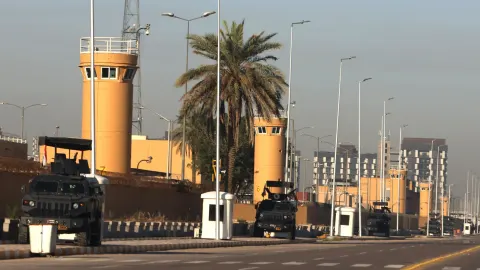
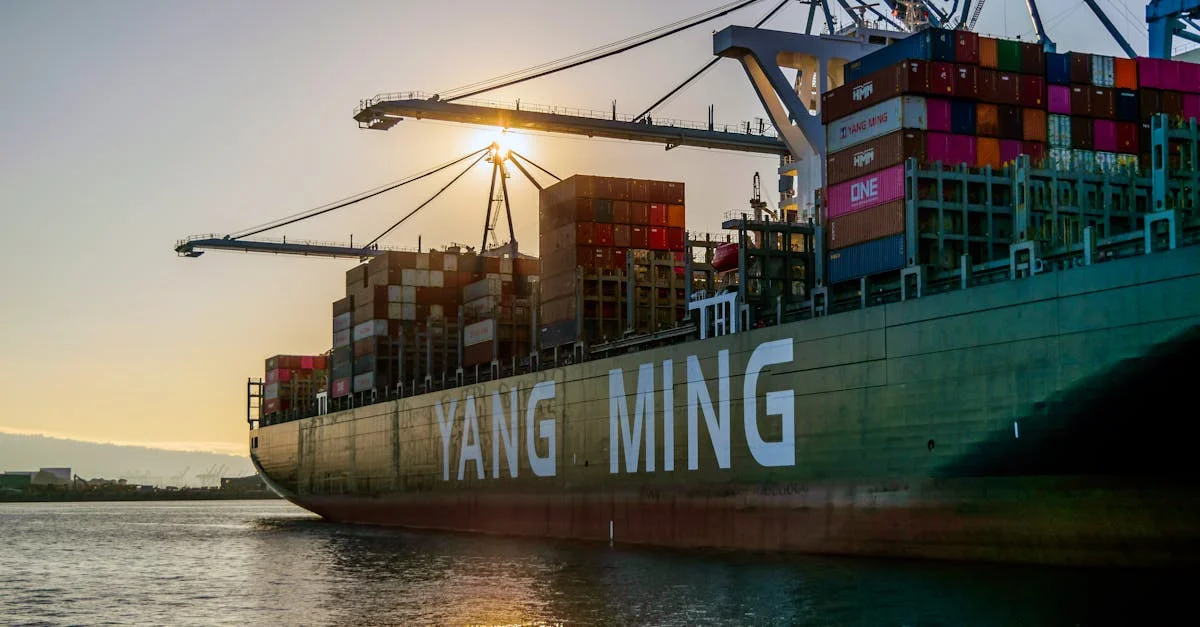
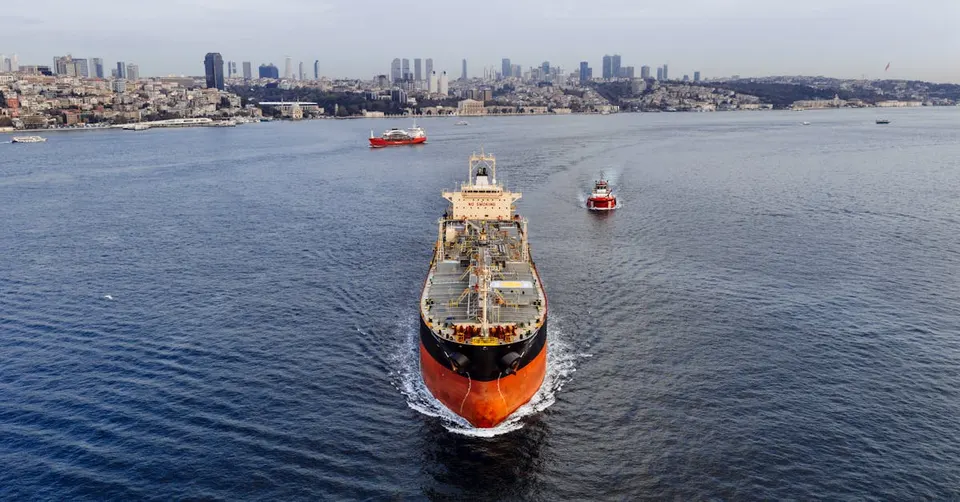
In a move that underscores the extreme volatility of the current geopolitical climate, the Islamic Revolutionary Guard Corps (IRGC) has reportedly seized two cargo ships in the Strait of Hormuz. This escalation comes just hours after U.S. President Donald Trump unilaterally extended a ceasefire at Pakistan's request. The seizures serve as a blunt signal from Tehran that it does not view the U.S. truce as a binding or sufficient diplomatic solution. By exerting control over the world’s most critical energy chokepoint, Iran is demonstrating that it retains the upper hand in maritime security regardless of Washington's rhetorical shifts.
For global markets, this development is a cold shower. Any hope that Trump’s ceasefire would lead to a sustained de-escalation is fading as the physical reality of shipping interference takes center stage. Lufthansa has already announced the cancellation of 20,000 summer flights due to surging fuel prices, a direct consequence of the risk premiums being baked into oil transport. The international community now watches to see if the U.S. will respond militarily or if this "ceasefire" will exist only on paper while a shadow war continues at sea.
---
Tehran Market Analysis: Gold Outperforms the Greenback
On the domestic front, the Iranian markets are reacting to the regional tension with a clear preference for hard assets over currency. In the last 24 hours, the US Dollar (USD) moved from 153,450 to 154,050 Toman, a modest increase of +0.4%. However, gold and coins are seeing much more aggressive buying pressure. Gold 18k rose from 17,606,537 to 17,772,288 Toman (+0.9%), while the Emami Coin jumped from 174,000,000 to 177,000,000 Toman, marking a significant +1.7% surge. This divergence suggests that while the dollar is somewhat anchored by central bank interventions, the public is flocking to gold as a hedge against the possible collapse of the ceasefire.
The logic behind this "Gold-over-Dollar" trend is rooted in the fear of systemic instability. When the threat of direct conflict remains high, the liquidity and universal value of gold coins become more attractive than paper currency, which is more susceptible to local economic shocks and government controls. The fact that the Emami coin is rising at four times the rate of the dollar indicates a high level of anxiety among retail investors who are not convinced by the diplomatic overtures coming out of Washington or the regional capitals.
---
Global Alarms: Anthropic’s 'Mythos' and the EU’s Ukraine Pivot
Beyond the Middle East, two massive shifts are reshaping the global landscape. First, the release of Anthropic’s new "Mythos" AI model has sent shockwaves through international intelligence and financial agencies. Unlike previous iterations, Mythos is reportedly triggering emergency protocols within central banks due to its advanced capabilities in economic modeling and potential for large-scale market manipulation. The tech world is no longer debating productivity; it is now debating systemic survival as governments scramble to decide who gets access to this level of computational power.
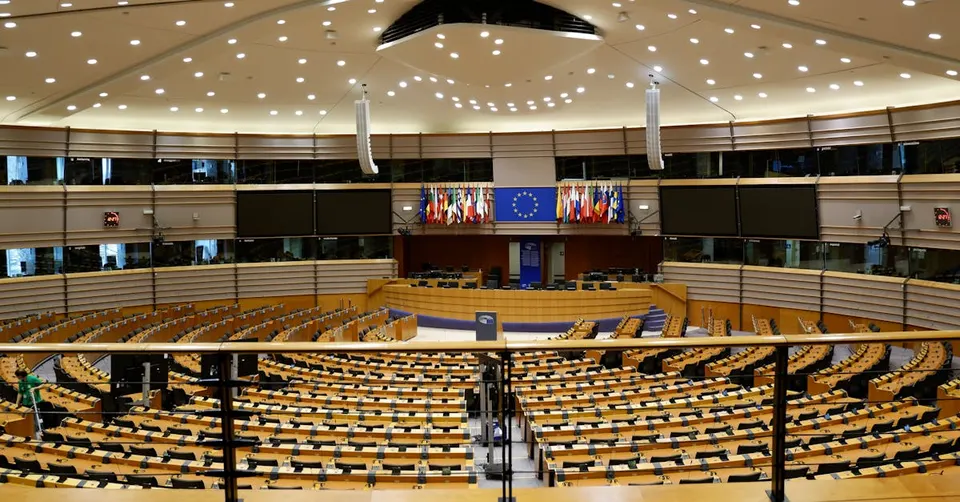
Simultaneously, a major diplomatic logjam has broken in Europe. Hungary has finally lifted its veto, allowing the European Union to unblock a massive €90 billion loan for Ukraine. This move, triggered by the resumption of Russian oil flows to Hungary and Slovakia, provides Kyiv with a critical financial lifeline as it faces a renewed Russian offensive. The unblocking of these funds signals that Europe is preparing for a long-term commitment to Ukraine’s defense, even as U.S. foreign policy becomes increasingly unpredictable under the Trump administration's "ceasefire-first" approach.
---
The 'Trumpflation' Effect and the Future of Energy
The economic fallout of the Iran-Israel-US conflict is now being felt globally under the label of "Trumpflation." In the United Kingdom, inflation has accelerated to 3.3%, driven largely by the biggest jump in fuel prices in over three years. This trend is forcing a radical rethink of energy policy across the continent. While some governments are panicking over oil shortages, others are viewing the crisis as the ultimate catalyst for the green revolution. Electric vehicle sales in Europe surged by 51% in March as consumers desperately look for ways to decouple their daily lives from the volatility of the Strait of Hormuz.
Ultimately, the current hour represents a crossroads. If the IRGC seizures continue, the "Trump ceasefire" will be exposed as a political fiction, likely leading to a massive spike in global energy costs and a subsequent recession in the West. Conversely, if the EU's financial support for Ukraine and the shift toward renewable energy can provide a buffer, the global economy might find a way to navigate this period of unprecedented geopolitical friction. For now, the world remains on edge, watching the narrow waters of the Persian Gulf for the next move.
Frequently Asked Questions
Why is gold rising faster than the dollar in Tehran right now?
What is the significance of the IRGC seizing ships after Trump extended the ceasefire?
Why are central banks worried about Anthropic’s Mythos AI model?
Gold as a Safe‑Haven Asset: Why Tehran’s Market Turned to Gold Amid Sanctions
When a country faces international sanctions or a weakening domestic currency, investors often look for assets that can preserve value outside the official financial system. Gold has historically served this purpose because it is universally recognized, easily portable, and not directly tied to any single nation’s monetary policy. In Iran, the U.S. sanctions that intensified after the 2024 Strait of Hormuz seizures have limited access to foreign exchange, prompting both individuals and businesses to buy gold as a hedge against the devaluation of the rial and the volatility of the dollar.
The mechanics of gold’s safe‑haven status are simple: unlike paper money, gold cannot be printed by a central bank, so its supply grows only through mining and recycling. This scarcity, combined with steady global demand for jewelry, industry, and investment, helps maintain its purchasing power over the long term. When the rial loses value against the dollar, the price of gold in local currency often spikes, allowing Iranians to protect their savings and even profit from the price differential.
Gold’s appeal also stems from its liquidity in informal markets. In Tehran, a robust underground network of dealers and pawnshops enables rapid buying and selling, bypassing official banking channels that are often frozen or monitored under sanctions. This parallel market can sometimes price gold several percent higher than international benchmarks, reflecting the premium investors are willing to pay for immediate access to a stable store of value.
However, relying on gold is not without risks. Prices can be volatile in the short term, and large purchases may attract scrutiny from authorities seeking to curb capital flight. Moreover, gold does not generate income like bonds or stocks, so its role is primarily protective rather than growth‑oriented. Understanding these trade‑offs helps investors decide when gold is the right tool for preserving wealth in a sanctions‑hit economy.
For anyone watching the intersection of geopolitics and finance, Iran’s gold surge illustrates a broader lesson: in times of currency stress and external pressure, tangible assets like gold often become the default refuge for preserving purchasing power.