Kushner Meets Putin in Moscow for Ukraine Peace Talks as Toman Slides 2.1% Amid Regional Tensions
دیدار فرستادگان ترامپ با پوتین در مسکو؛ صعود دلار به ۲۲۶ هزار تومان در پی تنشهای منطقهای
US envoys Jared Kushner and Steve Witkoff have arrived in Moscow for high-stakes negotiations with Vladimir Putin, triggering a temporary ceasefire in capital strikes. Meanwhile, the Iranian Toman has weakened to 226,800 per dollar as domestic military rhetoric and global energy shifts keep markets on edge.
At time of publishing
USD
226,800
Toman
Gold 18K
23.39M
Toman / gram
Bitcoin
$79,971
US Dollar
Tether
226,347
Toman
The Moscow Mission: Kushner and Witkoff Seek a Ukraine Breakthrough
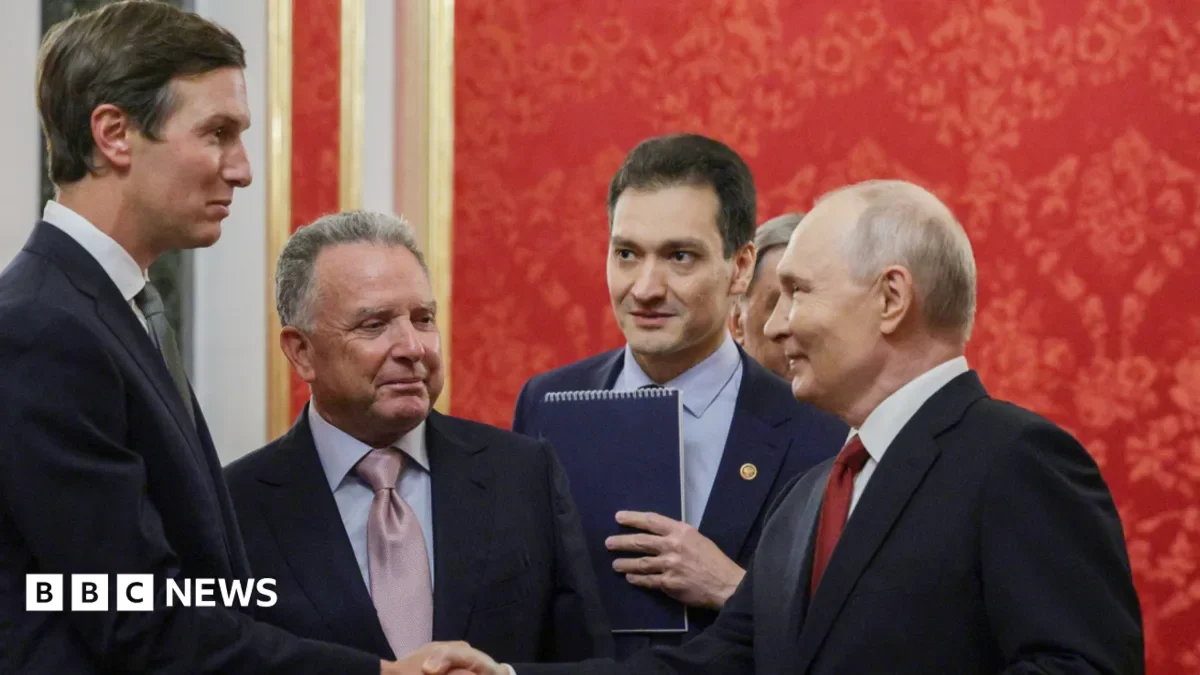
In a move that has stunned global diplomatic circles, US envoys Jared Kushner and Steve Witkoff met with Russian President Vladimir Putin in Moscow this Saturday. The meeting, which took place in the Kremlin, marks the most significant direct diplomatic engagement between the US and Russia regarding the Ukraine conflict in years. Footage from the encounter showed a somber Putin greeting the envoys, noting that the current geopolitical situation "is not so easy." This diplomatic push is part of a broader effort by the incoming administration to revive US-led talks and bring an end to Europe's most devastating conflict since World War II.
As a gesture of good faith during these sensitive negotiations, both Moscow and Kyiv have reportedly agreed to a three-day moratorium on strikes against each other's capital cities. This pause in the aerial campaign over Kyiv and Moscow provides a rare window of de-escalation, though the broader frontlines remain active. The presence of Kushner, the former president's son-in-law, suggests that the negotiations are focusing on high-level security guarantees and a potential territorial compromise that could reshape the security architecture of Eastern Europe. For global markets, this development is a double-edged sword: while it offers a path toward ending sanctions, the uncertainty of the terms keeps risk premiums high.
Toman and Gold Under Pressure as Regional Rhetoric Intensifies
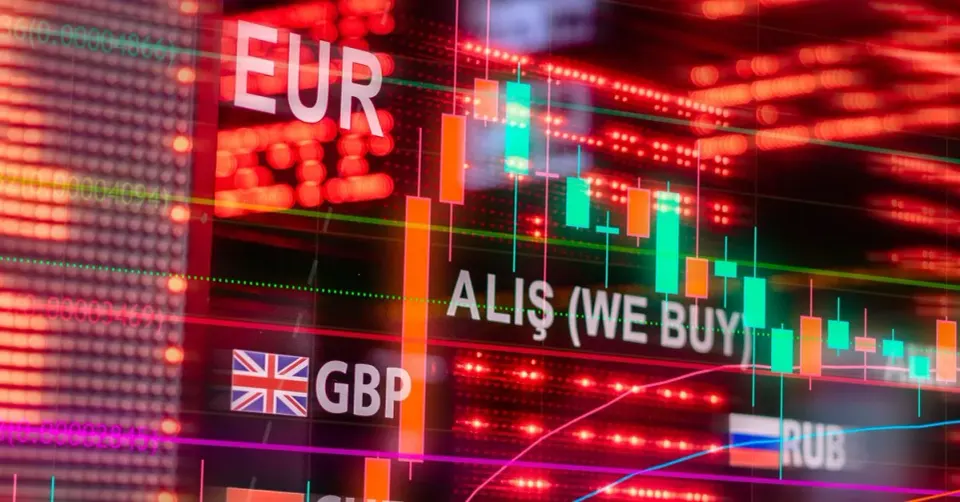
While the eyes of the world are on Moscow, the Iranian domestic market is grappling with a sharp devaluation of the Toman. In the last 24 hours, the USD/IRR exchange rate moved from 222,200 to 226,800, representing a 2.1% jump. This volatility is largely attributed to escalating military rhetoric. Iranian state media (IRNA) recently reported warnings from the Khatam al-Anbiya Central Headquarters, suggesting that the Iranian armed forces are prepared to deal "severe and extensive" blows to American warships if US aggression in the region continues. This verbal escalation has historically driven local investors toward hard currency and gold as a hedge against potential conflict.
Gold prices have followed the upward trend, though at a slightly more tempered pace than the dollar. Gold 18k per gram rose from 23,142,804 to 23,385,197 Toman (+1.0%), while the Emami coin climbed 1.5% to reach 237,500,000 Toman. The decoupling of gold's growth rate from the dollar suggests that while there is significant fear-based buying, some liquidity is being diverted directly into stablecoins and foreign currency to ensure immediate portability. The market remains highly sensitive to any further reports of military movements in the Persian Gulf or updates from the ongoing diplomatic standoff regarding the nuclear file.
The Infrastructure Pivot: AI Energy Needs and Nuclear Ambitions
Beyond the immediate noise of geopolitics, a structural shift is occurring in the technology and energy sectors. The US government and the Army are increasingly betting on a new generation of Small Modular Reactors (SMRs) to solve the looming energy crisis. As AI data centers consume unprecedented amounts of electricity, conventional grids are proving insufficient. SMRs, which offer about one-third the capacity of traditional reactors, are being viewed as the ideal solution for localized, carbon-free power. This "nuclear renaissance" is no longer just a theoretical concept; significant investments are now flowing into microreactor technology to sustain the AI arms race.
This shift is also reflected in the stock market, where the focus is moving from chipmakers like Nvidia to the companies that provide the connectivity and power infrastructure for AI. While Nvidia's stock has seen periods of stagnation, AI connectivity stocks and equipment manufacturers like Applied Materials (AMAT) are seeing renewed interest. Investors are beginning to realize that the "picks and shovels" of the AI era include not just GPUs, but the physical cables, cooling systems, and power plants that keep them running. This transition signals a maturing market where the physical constraints of computing—namely power and heat—are becoming the primary drivers of investment strategy.
---
Bitcoin Consolidates Below the $80k Resistance
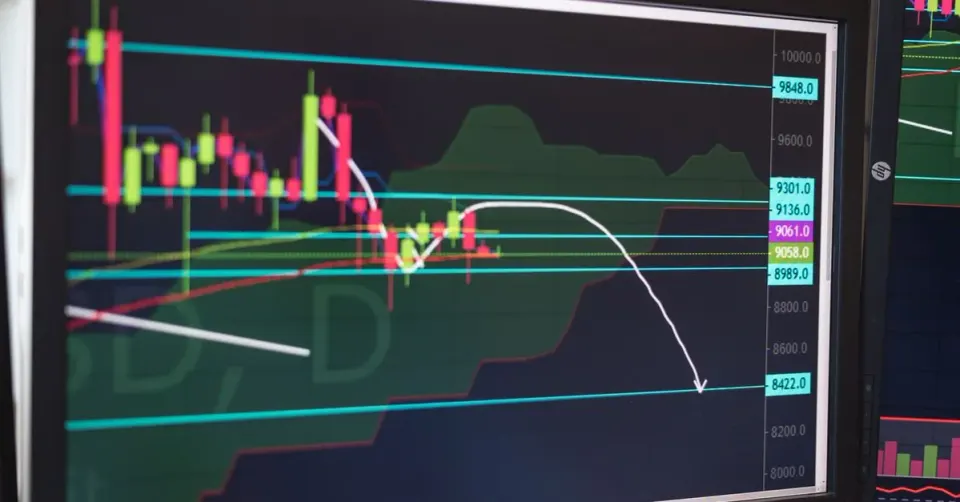
In the cryptocurrency space, Bitcoin is currently trading at $79,971, struggling to decisively break through the $82,000 resistance level. Despite the sideways movement, the sentiment among long-term holders remains bullish. Historical data from 2010 through 2026 continues to support the "buy and hold" strategy, as the majority of annual gains typically occur within a few high-volatility weeks. Trying to time these windows is notoriously difficult, leading many experts to advise against frequent trading in favor of long-term accumulation.
The current consolidation phase is also being influenced by the strengthening of the US dollar on the global stage. A Bank of Korea study recently highlighted that dollar-backed stablecoins often put downward pressure on local currencies as market makers balance their positions. For Iranian traders, the USDT price (currently at 226,347 Toman) remains the primary gateway for capital flight, often trading at a slight premium to the physical dollar during times of high regional tension. As Bitcoin nears the psychological $80,000 mark, the market is waiting for a catalyst—likely from the Moscow peace talks—to determine the next major move.
Frequently Asked Questions
Why did Jared Kushner meet with Vladimir Putin?
What caused the 2.1% jump in the USD/IRR exchange rate?
What are Small Modular Reactors (SMRs) and why is the US investing in them?
Understanding Currency Depreciation Amid Geopolitical Tensions
Currency depreciation occurs when a nation's currency loses value relative to other currencies. The headline's mention of the "Toman sliding 2.1% Amid Regional Tensions" offers a clear example of this economic phenomenon. When a currency depreciates, it means that more units of that currency are needed to purchase the same amount of a foreign currency, like the US dollar. This can have significant implications for a country's economy and its citizens.
Geopolitical tensions are a major catalyst for currency depreciation. Uncertainty stemming from conflicts, political instability, or international disputes often prompts investors to move their capital out of the affected region into perceived safer assets or currencies. This "capital flight" reduces demand for the local currency, causing its value to fall. Additionally, regional tensions can disrupt trade, impose sanctions, or deter foreign direct investment, all of which diminish the economic prospects of a country and further weaken its currency.
The immediate effects of currency depreciation include making imports more expensive, which can lead to higher domestic prices for goods and services (inflation), especially for countries heavily reliant on imported raw materials or finished products. For individuals, this means their purchasing power abroad decreases, and the cost of living might rise. Conversely, a weaker currency can make a country's exports more competitive on the global market, potentially boosting export-oriented industries. However, in times of severe tension, the negative impacts often outweigh any potential benefits, particularly for economies already facing structural challenges.