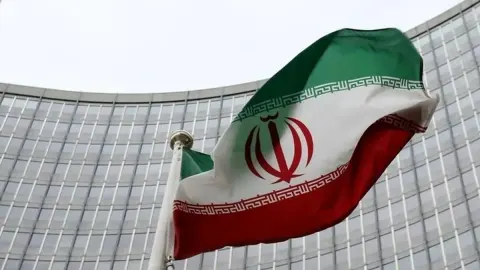
Toman Hits 228,100 as Ebola Outbreak and Regional Military Rhetoric Drive Flight to Safety
جهش دلار به ۲۲۸ هزار تومان در پی شیوع ابولا در کنگو و لفاظیهای نظامی در منطقه
The Iranian Toman has plummeted 2.7% against the US Dollar as a combination of a deadly Ebola outbreak in Congo and aggressive regional military rhetoric spurs a rush toward hard assets. Meanwhile, medical science reaches a new frontier with a landmark Alzheimer's prevention trial.
At time of publishing
USD
228,100
Toman
Gold 18K
23.71M
Toman / gram
Bitcoin
$79,755
US Dollar
Tether
226,247
Toman
Global Health Crisis and the Shadow of Instability
The Democratic Republic of Congo is currently grappling with a rapidly spreading Ebola outbreak, a situation that is increasingly capturing the attention of global markets and health organizations. Burial teams in eastern Congo are reportedly racing against time to contain the virus, facing not only the biological threat but also significant distrust and security challenges from local communities and rebel factions. This health crisis is not merely a localized tragedy; it represents a systemic risk to regional stability in Africa, which can have cascading effects on global commodity prices and investor sentiment. For the Iranian market, which is already sensitive to any form of international turmoil, the news has contributed to a heightened sense of uncertainty, prompting a shift away from the national currency.
Historically, major health crises in developing regions often lead to a 'flight to safety' in global markets, where investors move capital into the US Dollar and Gold. In the context of Iran, this global trend is amplified by existing economic pressures. As the Ebola response is further complicated by ongoing conflicts in the Congo, the potential for a wider regional disruption grows. This atmosphere of unpredictability is a key driver behind the recent 2.7% jump in the USD/IRR rate, as traders hedge against the possibility of broader global instability that could impact trade routes or international aid priorities.

Military Rhetoric and the Toman's 2.7% Surge
Closer to home, the Iranian Toman has seen a sharp decline, with the USD sell rate moving from 222,200 to 228,100 Toman in just 24 hours. This 2.7% increase is mirrored in the gold market, where 18k gold rose 2.4% to reach 23,708,389 Toman per gram. The primary catalyst for this domestic volatility appears to be a series of aggressive statements from military and regional leaders. Rear Admiral Habibollah Sayyari, a senior commander in the Islamic Republic of Iran Army, recently claimed that Iran stands ready against enemies possessing top-tier military technology. According to reports from the state-run IRNA, Sayyari described modern warfare as a "battle of willpower," a narrative that often signals a period of high alert and potential escalation. Such rhetoric, while intended to project strength, frequently results in immediate market anxiety as citizens seek to protect their purchasing power through hard currency and gold coins.
Adding to the regional tension, the Hezbollah resistance movement has issued a sharp critique of the Lebanese government. In statements carried by IRNA, Hezbollah blamed the Lebanese administration's "illegal approach" for allowing continued Israeli aggression, which they claim is backed by the United States. By framing the conflict as a result of internal Lebanese failures and external Western support, Hezbollah is signaling a potential shift in its tactical or political stance. For the average Iranian reader, these developments suggest that the regional proxy conflicts are far from a resolution, ensuring that the 'war premium' remains baked into the price of the US Dollar and Emami coins, the latter of which rose 1.5% to 237,500,000 Toman.
---
Scientific Breakthroughs and Resilience Amidst Crisis
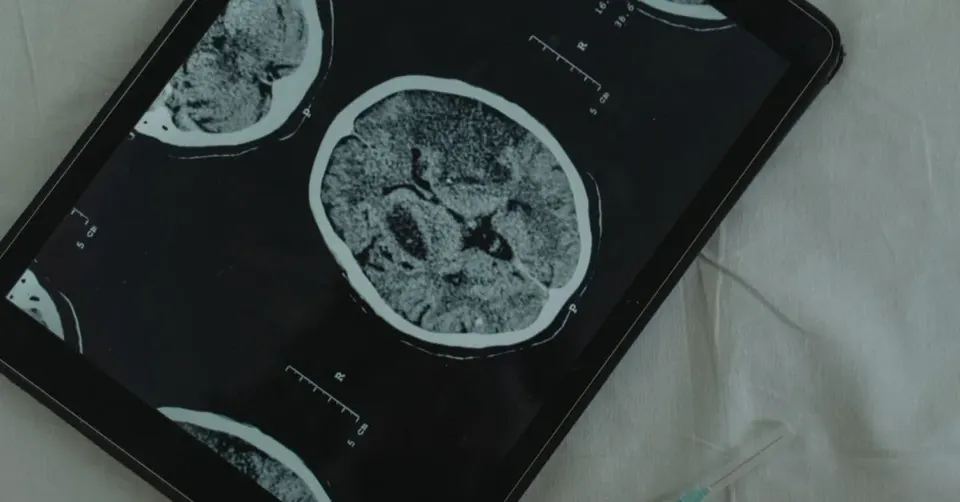
While the geopolitical and economic headlines are dominated by tension, the world of medical science is reporting a major milestone that could change the future of healthcare. A new clinical trial, led by an NHS trust as part of an international effort, is set to test an experimental Alzheimer’s drug on healthy middle-aged individuals who show no symptoms but are at high risk for the disease. This shift from treatment to prevention marks a fundamental change in how the medical community approaches dementia. By attempting to stop the condition before symptoms even emerge, researchers hope to bypass the stage where brain damage becomes irreversible. This story serves as a reminder that despite regional conflicts, global cooperation in science continues to push the boundaries of human longevity and quality of life.
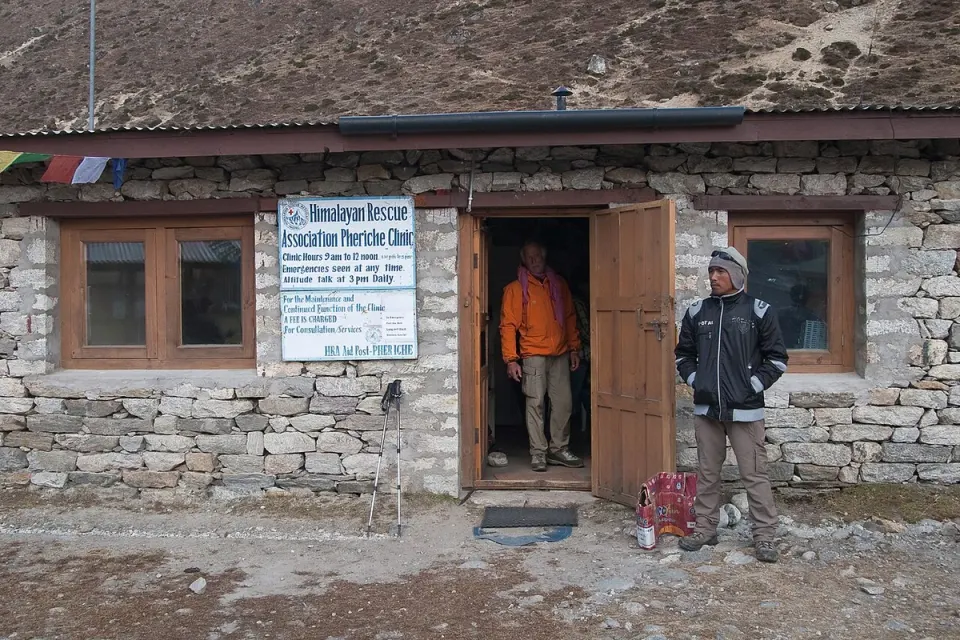
In another display of resilience, rescuers in Nepal have successfully pulled two survivors from the debris of catastrophic flooding that occurred ten days ago. A Chinese national was rescued from a tunnel, and a local woman was found in her partially submerged home, providing a rare moment of hope following a disaster that has left thousands missing. These rescue efforts, while localized, highlight the ongoing humanitarian challenges in Asia and the importance of international cooperation in disaster response. For markets, such events emphasize the constant threat of climate-related disruptions to infrastructure and local economies, further reinforcing the current global trend of valuing stability and liquid assets over speculative investments.
Watch
DR Congo: Ebola burial teams race against time • FRANCE 24 English
FRANCE 24 English
Frequently Asked Questions
Why is the Ebola outbreak in Congo affecting the Iranian Toman?
What did Rear Admiral Sayyari say about modern warfare?
How significant is the new Alzheimer's prevention trial?
Understanding 'Flight to Safety' in Global Economics
The news headline highlights a significant economic phenomenon known as a "flight to safety." This occurs when investors, faced with global or regional uncertainty—such as a health crisis like an Ebola outbreak or heightened geopolitical tensions as indicated by military rhetoric—move their capital from riskier assets or currencies into what they perceive as more secure and stable investments. This shift is driven by an increase in risk aversion, as individuals and institutions prioritize capital preservation over potential higher returns during turbulent times.
Typically, safe-haven assets include government bonds of highly stable economies (like U.S. Treasuries or German Bunds), strong and liquid currencies such as the U.S. Dollar (USD), Japanese Yen (JPY), or Swiss Franc (CHF), and precious metals like gold. The demand for these assets surges during periods of crisis, driving up their prices and strengthening the respective currencies. For instance, a rise in gold prices in Iran would align with this behavior, as gold is a traditional safe haven.
Conversely, the currencies and assets of economies perceived as less stable or more exposed to the prevailing risks tend to experience selling pressure. In the scenario described, the Iranian Toman's devaluation against the USD is a direct consequence of this flight to safety. As investors pull their funds out of assets denominated in Toman or out of the Iranian market altogether, the supply of Toman in the foreign exchange market increases relative to demand, leading to its depreciation.
Understanding the "flight to safety" mechanism is crucial for comprehending how global and regional events, even those seemingly distant, can profoundly impact local economies and currency values. It underscores the interconnectedness of financial markets and the immediate reaction of capital to perceived threats, illustrating why currencies like the Toman can experience rapid devaluation when uncertainty looms large on the international stage.
Topics
Related Articles