Hormuz Seizures Defy Trump’s Truce as Gold Surges and Bitcoin Hits $79,000
تداوم تنش در هرمز علیرغم آتشبس ترامپ؛ جهش قیمت طلا و رکوردشکنی بیتکوین
Despite President Trump’s ceasefire extension, Iranian forces have seized two cargo ships in the Strait of Hormuz, sparking a fresh wave of market volatility. Meanwhile, Bitcoin has surged to $79,000 and domestic gold prices in Iran are significantly outperforming the US Dollar.
At time of publishing
USD
154,050
Toman
Gold 18K
17.75M
Toman / gram
Gunboat Diplomacy in the Strait of Hormuz
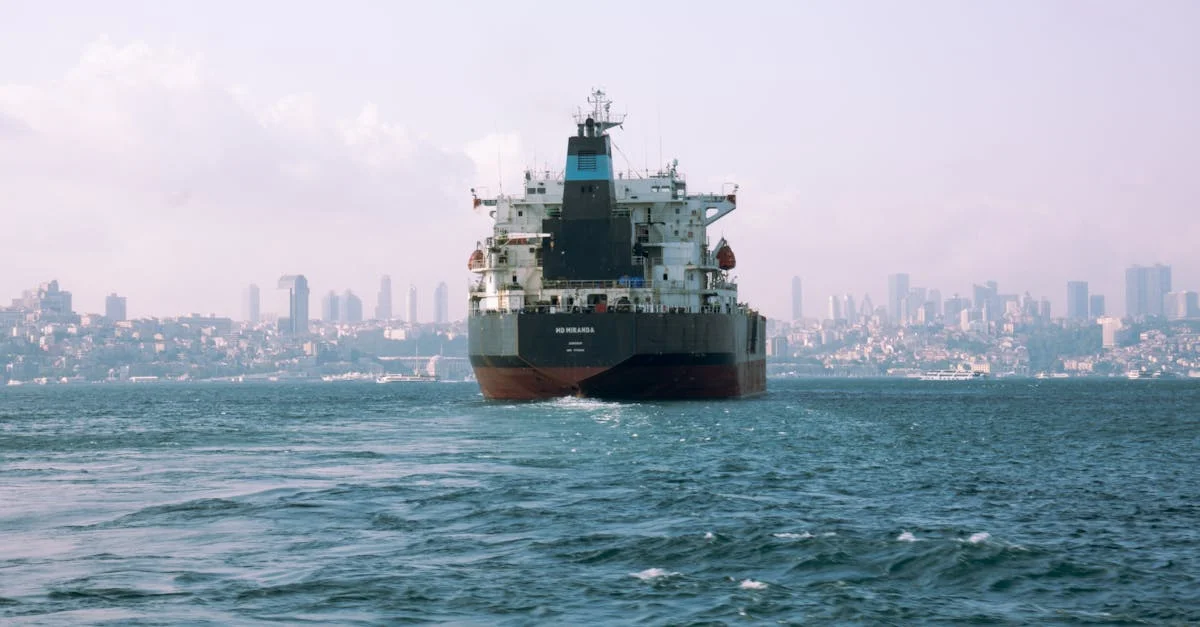
In a move that complicates President Donald Trump’s recent ceasefire extension, the Iranian Revolutionary Guard Corps (IRGC) has reportedly seized two cargo ships in the Strait of Hormuz. This act of 'gunboat diplomacy' suggests that despite the diplomatic overtures coming from Washington and the mediation efforts in Islamabad, Tehran is unwilling to relinquish its leverage over the world’s most critical energy transit point. State media in Iran has framed these seizures as a demonstration of maritime authority, signaling to the West that a ceasefire on paper does not necessarily translate to a cessation of regional maneuvers.
The timing of these seizures is particularly provocative, occurring just as the White House signaled a pause in potential strikes on Iranian infrastructure. Analysts suggest that Iran’s leadership believes they can endure the current economic standoff longer than the Trump administration can maintain its political resolve. By controlling the flow of traffic through the Strait, Tehran is effectively holding a knife to the throat of the global energy market, driving up insurance premiums and forcing wealthy nations into a desperate scramble for oil reserves. This 'hoarding' behavior is already being felt globally, contributing to what critics are now calling 'Trumpflation.'
Gold and Coins Outpace the Dollar in Tehran
Domestic markets in Iran are reacting sharply to the escalating maritime tensions. While the US Dollar experienced a modest rise, moving from 153,450 to 154,050 Toman (+0.4%), it was gold that stole the spotlight. Gold 18k per gram rose from 17,606,537 to 17,748,972 Toman (+0.8%), while the Emami coin saw a significant jump from 174,000,000 to 177,000,000 Toman, marking a 1.7% increase in just 24 hours. This divergence indicates that Iranian investors are increasingly viewing physical gold as a more reliable hedge against geopolitical uncertainty than foreign currency.
The surge in gold prices reflects a broader lack of confidence in the longevity of the current ceasefire. As the threat of a renewed blockade or direct military confrontation looms, the demand for liquid, high-value assets like the Emami coin has reached a fever pitch. The fact that gold is outperforming the dollar suggests that the market is pricing in a scenario where international sanctions or regional war could make currency exchange more difficult, whereas gold remains a universal store of value. This 'fear premium' is currently the primary driver of the Tehran bazaar's activity.
Crypto Chaos: Bitcoin at $79k and the World Liberty Lawsuit
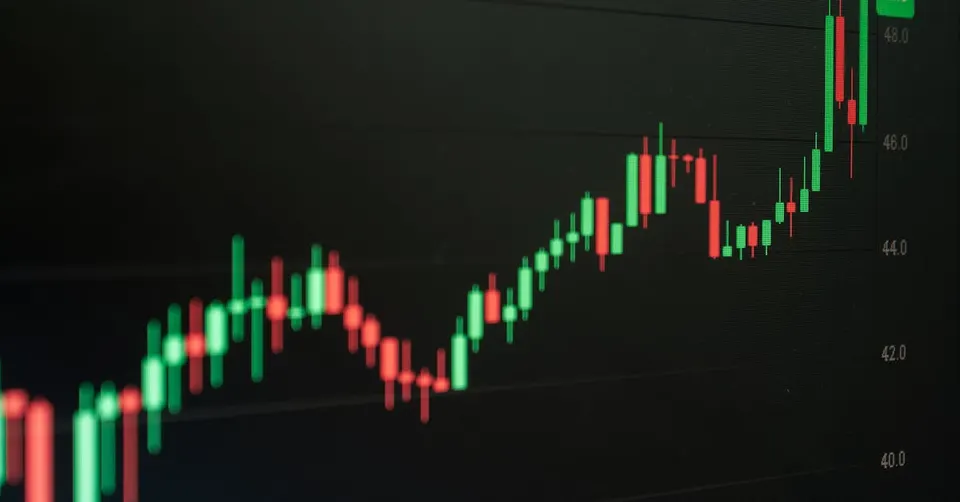
In the digital asset space, Bitcoin has defied geopolitical gravity by surging to an 11-week high of $79,000. This rally is being fueled by a combination of short-squeeze dynamics and steady demand from US institutional investors who see Bitcoin as 'digital gold' during times of global instability. However, the crypto sector is not without its own internal drama. Billionaire investor Justin Sun has filed a lawsuit against World Liberty Financial, a crypto venture linked to the Trump family, alleging the illegal freezing of $45 million worth of tokens. This legal battle adds a layer of complexity to the Trump administration's relationship with the crypto industry, which has been a cornerstone of its economic platform.
Simultaneously, the vulnerability of decentralized finance (DeFi) was laid bare today as Kelp DAO suffered a massive exploit totaling $292 million. This attack highlights the structural risks inherent in crypto bridges and shared infrastructure, which continue to be the 'weakest link' in the ecosystem. Between the record-breaking price of Bitcoin and the high-profile security failures of major protocols, the crypto market remains a high-stakes environment where massive gains are frequently shadowed by systemic risks and legal disputes involving the world’s most powerful political figures.
Frequently Asked Questions
Why is gold outperforming the US Dollar in the Iranian market right now?
What are the implications of Iran seizing ships despite Trump's ceasefire extension?
Why is Justin Sun suing the Trump-linked World Liberty Financial?
What caused the $292 million exploit on Kelp DAO?
Strategic Chokepoints: Why the Strait of Hormuz Shapes Oil, Gold, and Bitcoin Prices
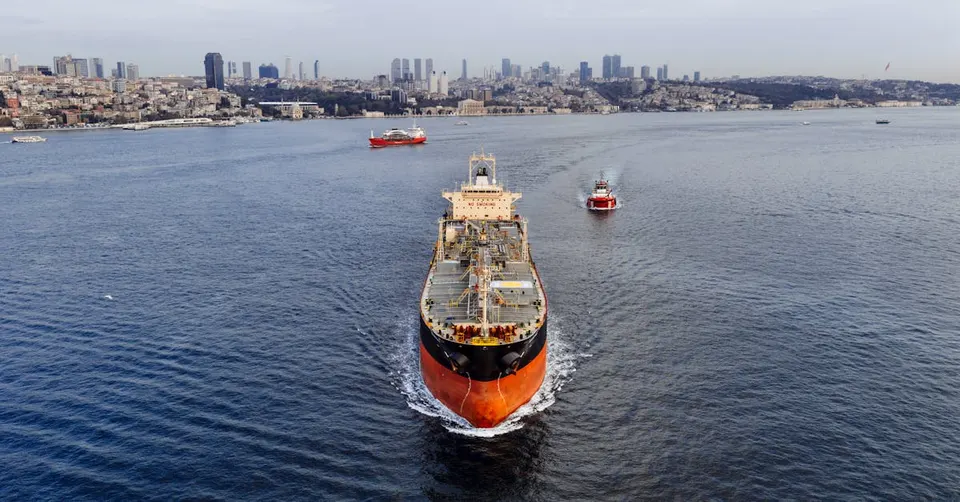
The Strait of Hormuz is one of the world’s most critical maritime chokepoints, a narrow 21‑mile passage that links the Persian Gulf with the open ocean. Roughly a third of global oil consumption transits this corridor each day, making any disruption—whether a ship seizure, a military skirmish, or a diplomatic standoff—a direct shock to the supply chain. When vessels are detained, insurers raise premiums, shipping routes are rerouted, and the perceived risk of a supply shortfall pushes oil prices higher.
Higher oil prices ripple through the broader economy because energy is a fundamental input for manufacturing, transportation, and even mining. When oil costs rise, the price of gold often climbs as investors seek a hedge against inflation and currency weakness. This dynamic was evident in early 2024 when a series of Hormuz seizures coincided with a sharp surge in gold prices, prompting traders in Tehran’s bazaars to rush for physical bullion.
Cryptocurrencies, especially Bitcoin, have increasingly behaved like a “digital safe haven” in times of geopolitical tension. The same risk premium that lifts oil and gold can also boost demand for Bitcoin, which is perceived as independent of any single nation’s monetary policy. The recent spike to $79,000 was not just a function of market speculation; it reflected heightened uncertainty over energy supplies and the broader macro‑economic fallout of the Hormuz incidents.
Understanding chokepoints helps investors and policymakers anticipate how localized events can trigger global market moves. By monitoring vessel traffic data, insurance rates, and diplomatic signals around the Strait, analysts can better gauge the likelihood of price shocks across commodities, fiat currencies, and digital assets. This knowledge is essential for risk management, portfolio diversification, and strategic planning in an increasingly interconnected world.