Hormuz Ship Seizures Defy Trump’s Truce as US Cuts Iraq’s Dollar Supply
توقیف کشتیها در هرمز علیرغم آتشبس ترامپ؛ قطع شریان دلاری عراق توسط آمریکا
Tensions in the Strait of Hormuz escalate as Iran seizes two cargo ships despite President Trump's ceasefire extension. Meanwhile, Washington halts dollar shipments to Iraq to pressure Baghdad, sending Iranian gold and coin prices soaring as investors seek safety.
At time of publishing
USD
154,050
Toman
Gold 18K
17.78M
Toman / gram
The Strait Standoff: Why Gold is Outrunning the Dollar
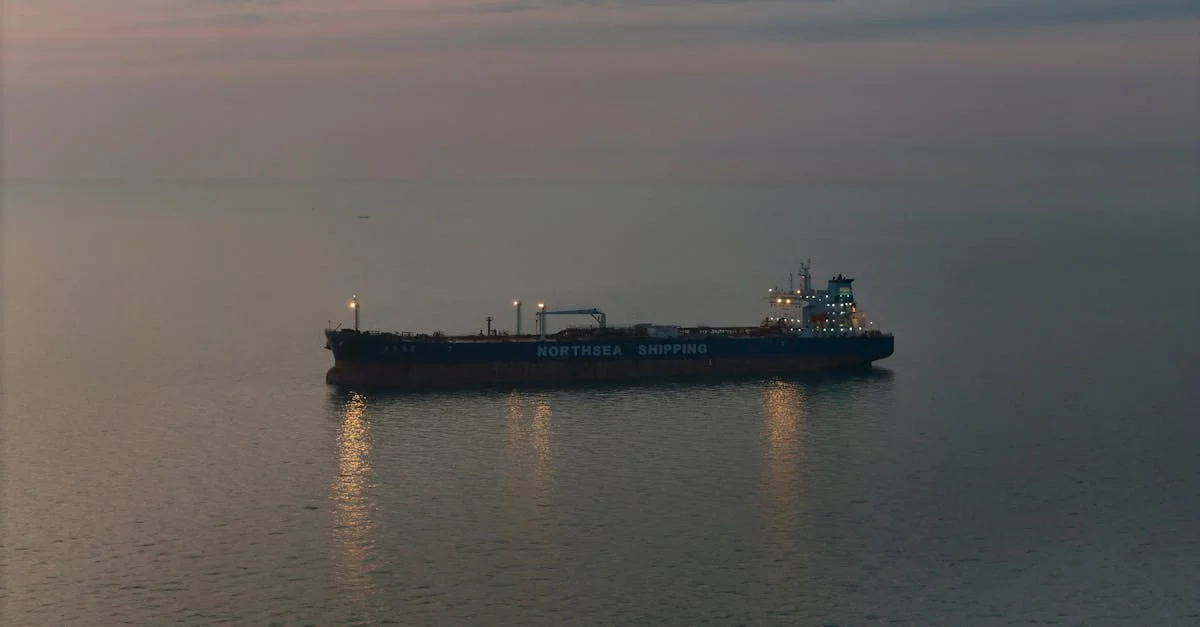
Despite President Donald Trump’s unilateral extension of the ceasefire, the situation in the Strait of Hormuz has taken a sharp turn toward escalation. The Iranian Revolutionary Guards confirmed the seizure of two cargo vessels in the strategic waterway, a move that directly challenges the fragile diplomatic window Trump attempted to open earlier today. While the White House maintains that it is waiting for a "unified proposal" from Tehran, the reality on the water suggests a strategy of maximum leverage. This paradox—a diplomatic truce on paper and a maritime blockade in practice—has sent a clear signal to the markets: the risk of a full-scale conflict has not subsided, it has simply changed form.
In the Tehran market, this geopolitical friction is manifesting as a flight to hard assets. While the US Dollar saw a modest increase, moving from 153,450 to 154,050 Toman (+0.4%), gold and coins experienced much more aggressive buying. The 18k gold price rose from 17,606,537 to 17,779,445 Toman (+1.0%), but the real standout was the Emami coin, which surged from 174,000,000 to 177,000,000 Toman, a significant 1.7% jump in just 24 hours. This discrepancy shows that local investors are increasingly distrustful of currency stability and are pricing in a "war premium" that the dollar alone cannot capture.
The Iraq Squeeze: Washington Cuts the Dollar Lifeline
In a move that could have devastating consequences for the regional economy, the United States has officially halted dollar shipments to Iraq’s cash-based economy. This decision is a calculated attempt by the Trump administration to force the Baghdad government to distance itself from Tehran. Iraq has long served as a critical financial lung for Iran, providing a channel for hard currency to enter the country despite international sanctions. By withholding Iraq’s own oil revenues—which are held in the Federal Reserve Bank of New York—Washington is effectively placing a financial chokehold on the entire resistance axis, hoping to trigger an internal economic collapse.
For the Iranian market, the implications are immediate. Iraq is one of the primary sources of physical dollar bills circulating in the Iranian informal market. If the supply of greenbacks in Baghdad dries up, the "Suleimaniyah rate" and the "Herat rate"—key benchmarks for the Toman—will likely see increased volatility. This explains why the domestic gold price is reacting so sharply; if physical dollars become harder to source via the Iraqi border, gold becomes the only reliable store of value for cross-border trade and personal savings. The move signals that the US is shifting from a military-first strategy to a total financial blockade.

Google’s Agentic Pivot: The AI Race Enters the Workplace
While the Middle East teeters on the edge of economic warfare, the Silicon Valley giants are doubling down on the next phase of the AI revolution. Google has unveiled its new generation of Tensor Processing Units (TPUs) specifically designed for the "agentic era." Unlike previous AI models that were limited to answering questions, these new chips are built to power "agents"—AI systems that can autonomously perform complex tasks like research, data entry, and project management. Google is also integrating these capabilities directly into Chrome for enterprise users, effectively turning the world’s most popular browser into an automated coworker.
This shift marks a critical transition in the global economy from AI as a novelty to AI as a core productivity driver. As Anthropic’s Mythos model raises security alarms in Washington, Google’s move suggests that the race for "agentic" dominance will be the defining technological battle of 2026. For businesses and investors, the message is clear: the ability to automate high-level cognitive tasks is no longer a future possibility but a current reality. As the global economy faces inflationary pressures from the conflict in the Middle East—a phenomenon being dubbed "Trumpflation"—companies are looking to AI-driven efficiency to protect their bottom lines from rising costs.

Watch
Iran seizes ships in Strait of Hormuz after Trump halts attacks • FRANCE 24 English
FRANCE 24 English
Frequently Asked Questions
Why did the Emami coin rise faster than the US Dollar today?
How does the US halting dollar shipments to Iraq affect the Iranian market?
What is Google's 'Agentic Era' in AI technology?
Is the ceasefire between the US and Iran still in effect?
The Strategic Chokepoint: Why the Strait of Hormuz Matters
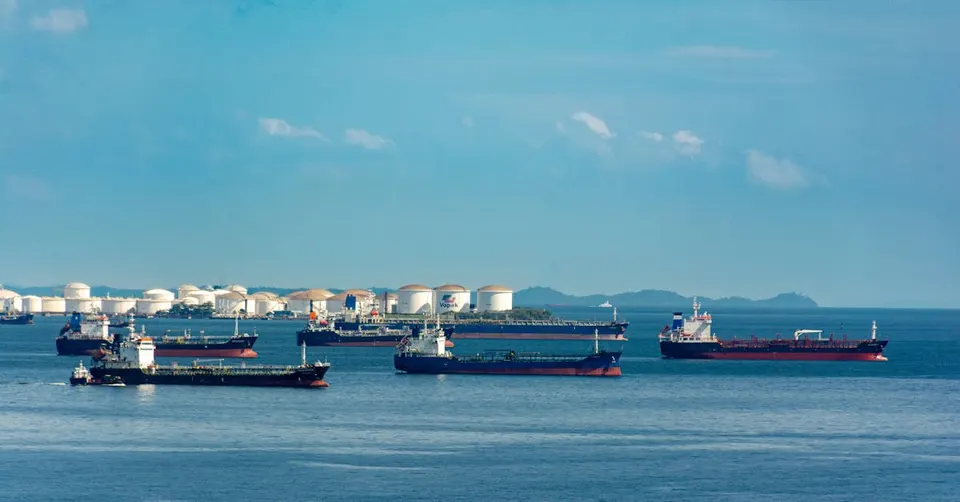
The Strait of Hormuz, a narrow waterway about 21 miles (34 km) wide at its narrowest point, links the Persian Gulf with the Gulf of Oman and the open ocean. Despite its modest size, it is one of the world’s most critical maritime chokepoints because roughly 20‑30% of global oil consumption passes through it each day, including supplies from Saudi Arabia, Iran, Iraq, Kuwait, and the United Arab Emirates. This concentration makes the strait a focal point for geopolitical tension; any disruption—whether from military conflict, piracy, or accidental blockage—can ripple through global energy markets, pushing oil prices upward and affecting everything from gasoline at the pump to airline ticket costs.
Historically, the strait has been the stage for several high‑profile incidents. During the Iran‑Iraq War (1980‑88), both sides mined the waters, leading to the “Tanker War” that threatened international shipping. More recently, in 2019, Iran seized several vessels and threatened to close the passage in retaliation for U.S. sanctions, prompting a rapid naval buildup by the United States and its allies to keep the waterway open. These episodes illustrate how the strait’s security is intertwined with broader diplomatic negotiations, such as the 2020 U.S.–Iran cease‑fire talks that sought to prevent escalation in the region.
The strategic importance of the Strait of Hormuz also drives the concept of energy security—the ability of a nation to secure reliable, affordable energy supplies. Countries that rely heavily on oil imports, especially in Asia, monitor the strait closely and maintain naval contingencies to protect their commercial vessels. For instance, the U.S. Fifth Fleet, based in Bahrain, conducts regular patrols and freedom‑of‑navigation operations to deter any attempt to block the passage. Meanwhile, oil‑producing nations diversify export routes, using pipelines to the Red Sea or overland routes to mitigate the risk of a single point of failure.
Understanding the strait’s role helps explain why news of ship seizures or threats to close the waterway can cause immediate market reactions, such as spikes in the price of gold, regional currencies, or commodities like the Iranian “Emami” coin. Investors watch these developments as proxies for potential supply shocks, making the Strait of Hormuz a barometer for the global energy crisis.
For a deeper dive, explore the linked resources that cover the geography, historical incidents, and the economic implications of this pivotal maritime corridor.