Hormuz Hostages and Iraq’s Dollar Drought: The High Stakes of Trump’s Extended Truce
گروگانگیری در هرمز و خشکسالی دلار در عراق: قمار بزرگ ترامپ در تمدید آتشبس
As Iran seizes two vessels in the Strait of Hormuz, the US retaliates by cutting off Iraq's dollar supply, sending shockwaves through regional markets. Meanwhile, Google launches a new era of 'agentic' AI chips to challenge Nvidia's dominance.
At time of publishing
USD
154,050
Toman
Gold 18K
17.78M
Toman / gram
The Strait Standoff and the Iraqi Dollar Squeeze
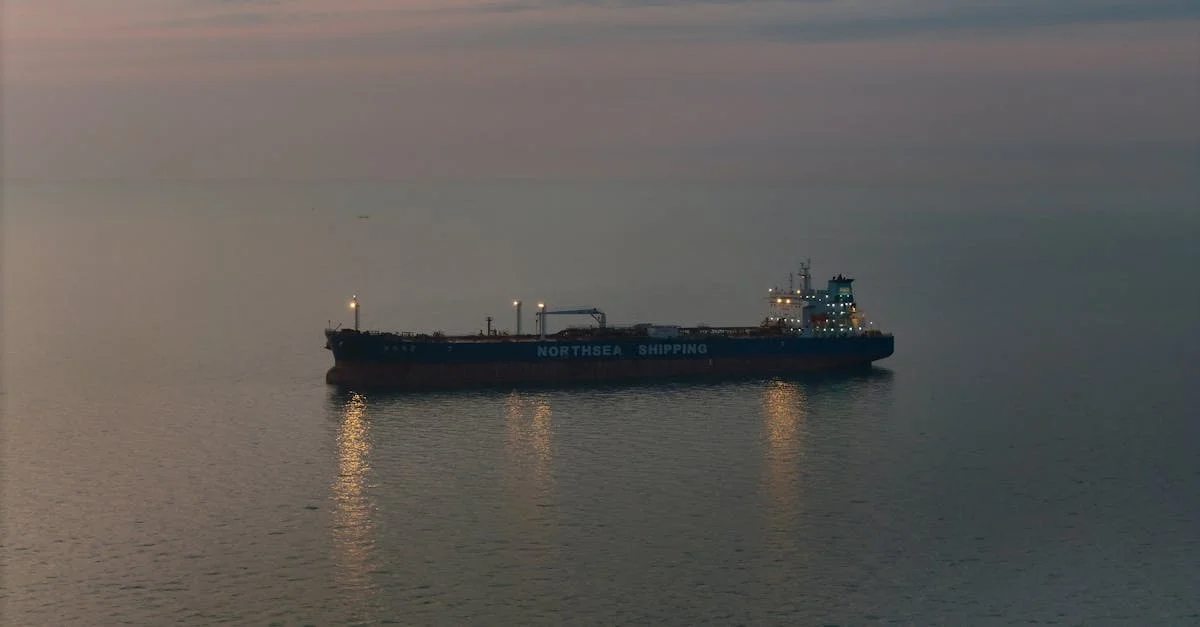
The geopolitical landscape shifted violently this evening as the Islamic Revolutionary Guard Corps (IRGC) confirmed the seizure of two commercial vessels in the Strait of Hormuz. This maneuver comes at a paradoxical moment: just hours after President Donald Trump unilaterally extended a ceasefire at Pakistan's request. While Tehran views the extension as a sign of American weakness—a "blink" in the high-stakes game of chicken—the reality on the ground remains a suffocating blockade of Iranian ports. By seizing these ships, Iran is effectively signaling that a paper truce is insufficient without the lifting of the maritime siege, turning the world's most vital energy artery into a theater of tactical leverage.
In immediate retaliation, the United States has deployed a financial weapon that may prove more devastating than a naval skirmish. The Treasury Department has halted all dollar shipments to Iraq, citing the country’s deep-seated financial ties to Tehran. For years, Iraq has served as a critical "lung" for the Iranian economy, allowing for the flow of hard currency despite international sanctions. By cutting off Baghdad’s access to its own oil revenues held in New York, Washington is attempting to force a hard decoupling. This move has already sent tremors through the Tehran market; while the USD rose from 153,450 to 154,050 Toman (+0.4%), the real story is in gold. Gold 18k jumped from 17,606,537 to 17,779,445 Toman (+1.0%), as investors flee the currency of a sanctioned neighbor for the safety of bullion.
Google’s 'Agentic' Gambit and the AI Hardware War
While the Middle East grapples with physical blockades, the tech world is witnessing the construction of a new digital infrastructure. Google Cloud today unveiled its latest generation of Tensor Processing Units (TPUs), specifically designed for what they call the "agentic era." Unlike previous iterations focused on simple generative responses, these new chips are optimized for AI agents—autonomous systems capable of navigating the web, performing data entry, and executing complex tasks without human intervention. This move is a direct shot across the bow of Nvidia, which has enjoyed a near-monopoly on the high-end AI hardware market for the past three years.
The implications for the global workforce are profound. Google is integrating these capabilities directly into Chrome and Gmail for enterprise users, allowing the browser to act as a digital co-worker. This isn't just about writing emails; it's about the AI observing workflows and automating them in real-time. As businesses look to trim costs amid global economic uncertainty, the transition from "AI as a tool" to "AI as an agent" represents a pivotal shift in corporate productivity. However, this rapid deployment has also raised red flags among cybersecurity experts, especially as Anthropic’s new 'Mythos' model remains unvetted by key federal agencies, leaving a gap in the defense against AI-driven vulnerabilities.
The Sun vs. Trump: A Crypto Civil War
In the world of decentralized finance, a high-profile legal battle is threatening to tarnish the Trump administration's pro-crypto image. Billionaire investor Justin Sun has filed a lawsuit against World Liberty Financial, the crypto venture closely tied to the Trump family. Sun, who reportedly invested $45 million in the project's tokens, alleges a pattern of extortion and mismanagement. This legal friction occurs just as the broader crypto market shows signs of fatigue after a massive rally. The lawsuit highlights a growing rift between the "old guard" of the crypto world and the new political entrants who are attempting to institutionalize the asset class under their own banners.
This dispute is more than just a billionaire's spat; it reflects the inherent risks of mixing political brands with volatile financial products. If the lawsuit gains traction, it could lead to increased regulatory scrutiny of World Liberty, potentially forcing the SEC to take a harder look at projects led by politically exposed persons. For the average investor, this serves as a stark reminder that even in a bull market, the underlying governance of a project matters as much as the technology itself. With the Emami coin rising from 174,000,000 to 177,000,000 Toman (+1.7%) in the Iranian market, the demand for stable, tangible assets continues to outpace the appetite for high-risk digital ventures amidst such high-level legal drama.
---
Privacy Patched: Apple’s Silent Signal Fix
In a win for digital privacy advocates, Apple has quietly patched a vulnerability that law enforcement agencies had been exploiting to read deleted Signal messages. The bug allowed forensic tools to bypass the standard encryption protections by accessing cached data that remained on the device long after a user believed the message was gone. For years, Signal has been the gold standard for secure communication, and the revelation that police could circumvent its core promise sent shockwaves through the activist and journalistic communities.

This fix marks another chapter in the ongoing "encryption wars" between tech giants and state authorities. While law enforcement argues that such backdoors are necessary to combat crime and terrorism, tech companies are increasingly prioritizing user trust and data integrity. As AI tools become more adept at scouring databases for information, the importance of robust, end-to-end encryption becomes even more critical. For users in high-risk geopolitical zones, these technical updates are not just software maintenance—they are essential safeguards for personal security in an era of total digital surveillance.
Frequently Asked Questions
Why is the US cutting off dollar shipments to Iraq now?
What is 'agentic' AI and why did Google launch new chips for it?
How did the Apple patch affect Signal's security reputation?
Why is gold rising faster than the dollar in the Iranian market?
The Strategic Importance of the Strait of Hormuz in Global Oil Trade
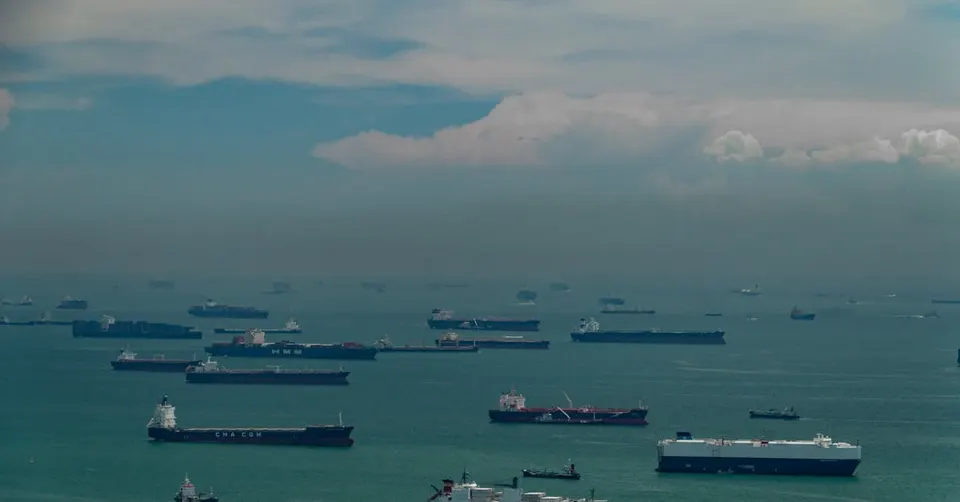
The Strait of Hormuz, a narrow waterway between Oman and Iran, is one of the world’s most critical maritime chokepoints. Roughly 20% of global petroleum consumption—about 21 million barrels per day—passes through this 21‑mile (34 km) stretch, making any disruption a direct shock to oil prices and supply chains. Because the strait connects the Persian Gulf’s massive oil‑producing nations (Saudi Arabia, Iraq, Kuwait, United Arab Emirates, Qatar, and Iran) with the open ocean, it acts as the single gateway for the bulk of the region’s export capacity.
Geopolitically, the strait’s importance amplifies the leverage of regional powers. Iran, which controls the northern shore, has repeatedly threatened to close the passage during periods of heightened tension, using the threat as a bargaining chip in negotiations over sanctions, nuclear talks, or regional disputes. Conversely, the United States and its allies maintain a continuous naval presence to ensure freedom of navigation, conducting regular patrols and escort missions for commercial vessels. This military posture aims to deter any unilateral action that could choke off oil flows and destabilize global markets.
The economic ramifications of a closure are profound. A brief shutdown can trigger a spike in Brent and WTI crude prices, ripple through fuel costs for consumers, and pressure inflation worldwide. Moreover, countries heavily dependent on oil imports—particularly in Asia—must scramble for alternative supply routes or hold larger strategic reserves, both of which raise costs. Historical incidents, such as the 2012 Iranian seizure of the British‑flagged St. Nazaire and the 2019 attacks on tankers, illustrate how even the threat of disruption can move markets.
Understanding the strait’s role helps explain why headlines about ship seizures or diplomatic truce talks, like the recent U.S.–Iran cease‑fire negotiations, attract intense scrutiny. The balance between maintaining free navigation and managing regional rivalries is delicate; any shift can reverberate far beyond the Persian Gulf, influencing everything from gasoline prices at the pump to the fiscal health of oil‑exporting economies.
For those interested in a deeper dive, consider exploring the geopolitical dynamics of maritime chokepoints, the economics of oil logistics, and the legal frameworks governing international waterways.