Hormuz Deadlock: US Navy Chief Resigns as Iran Seizes Ships and Trump’s AI Diplomacy Sparks Outcry
بنبست هرمز: استعفای ناگهانی وزیر نیروی دریایی آمریکا همزمان با توقیف کشتیها توسط ایران
The Middle East crisis reaches a fever pitch as the US Navy Secretary exits 'immediately' following new ship seizures by the IRGC, while global markets react to Bitcoin's retreat from the $80,000 milestone.
At time of publishing
USD
154,050
Toman
Gold 18K
17.78M
Toman / gram
The Naval Vacuum and the Hormuz Standoff
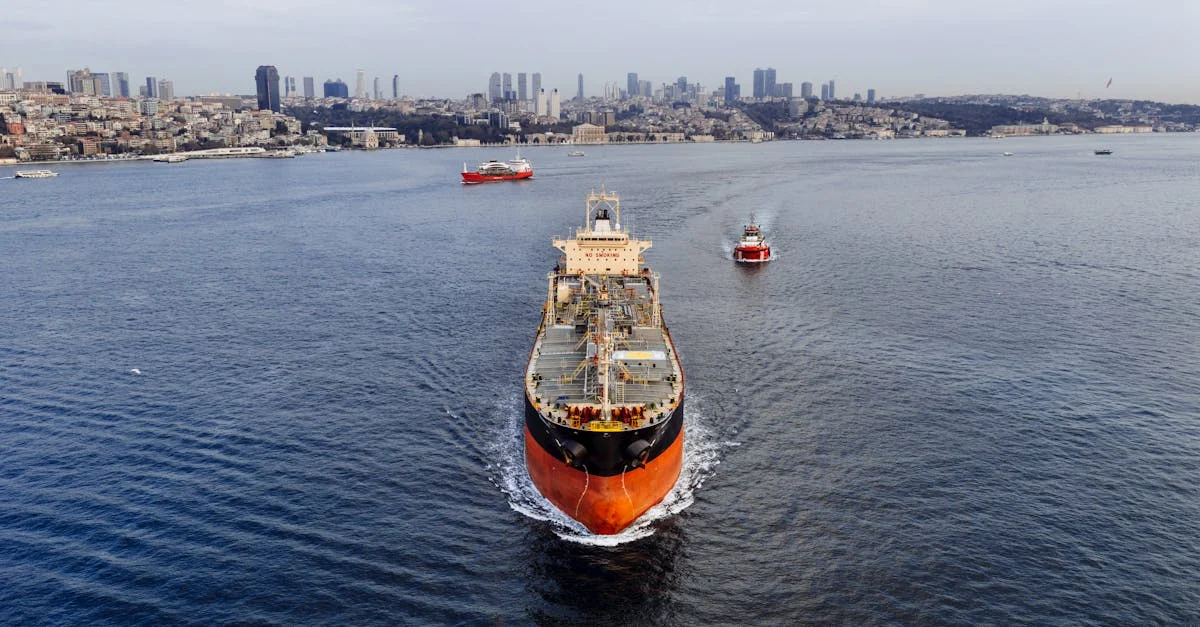
The geopolitical landscape in the Middle East has shifted dramatically in the last few hours following the immediate resignation of the United States Navy Secretary. This sudden departure, announced by the Pentagon, comes at a moment of extreme volatility as the Iranian Revolutionary Guard Corps (IRGC) confirmed the seizure of two vessels near the Strait of Hormuz. The timing of the resignation suggests a deep-seated strategic rift within the Trump administration regarding the enforcement of the naval blockade and the handling of Iranian maritime provocations. While the White House characterizes Tehran as being in a "very weak position," the reality on the water tells a story of tactical defiance that is complicating any hopes for a lasting ceasefire.

Iranian Parliament Speaker Mohammad Bagher Ghalibaf has intensified the rhetoric, stating that reopening the Strait of Hormuz is "impossible" as long as what he terms "flagrant breaches" of the ceasefire continue. This stance effectively holds the world’s most vital energy artery hostage to political demands, creating a stalemate that neither Washington’s blockade nor Tehran’s asymmetrical naval tactics have been able to break. For the global economy, this means a continued risk premium on oil and shipping insurance, as the threat of a full-scale maritime confrontation looms larger than it has in decades. The departure of the Navy’s top civilian leader only adds to the sense of a leadership vacuum at a time when precision and steady hands are most required.
Trump’s AI Diplomacy and the War Powers Battle
Domestically, President Donald Trump is facing a dual-front battle involving both the US Senate and the ethics of digital communication. In a move that has stunned observers, Trump claimed to have secured the release of eight Iranian women facing execution, only for it to be revealed that the images used to promote this narrative were partially AI-manipulated. This blend of real-world diplomatic claims with synthetic media has sparked a fierce debate over the administration's transparency. While the human rights of the protesters remain a central concern, the use of "glamorized" AI portraits has led critics to question the authenticity of the reported breakthrough, even as Trump insists his personal intervention is the only thing preventing further escalations.

Simultaneously, the US Senate is preparing for its fifth attempt to pass a War Powers resolution led by Senator Tammy Baldwin. The goal is to legally curb the President’s ability to wage an unauthorized war against Iran, reflecting a growing bipartisan anxiety over the administration's "unconventional" foreign policy. This legislative push comes as Trump’s approval ratings among traditional allies in Europe and even some within the MAGA base are being tested by the mounting cost-of-living crisis and the specter of a prolonged conflict. The outcome of this vote will determine how much unilateral authority Trump can exercise in the coming weeks as he weighs further military responses to the ship seizures in the Persian Gulf.
Market Stagnation and the Crypto Retreat
In the financial markets, a curious calm has settled over the Iranian Toman despite the surrounding chaos. The USD/IRR rate remains fixed at 154,050 Toman (0.0% change) as of 10:00 AM Tehran time. This stability is less a sign of economic health and more a reflection of a market in a state of suspended animation, where traders are too paralyzed by the threat of war to make significant moves. Gold prices have followed a similar pattern, with 18k gold holding at 17,779,445 Toman per gram and the Emami coin plateauing at 177,000,000 Toman. Investors are effectively waiting for the next shoe to drop, whether it be a military strike or a diplomatic miracle, keeping the domestic market in a tight, high-pressure range.
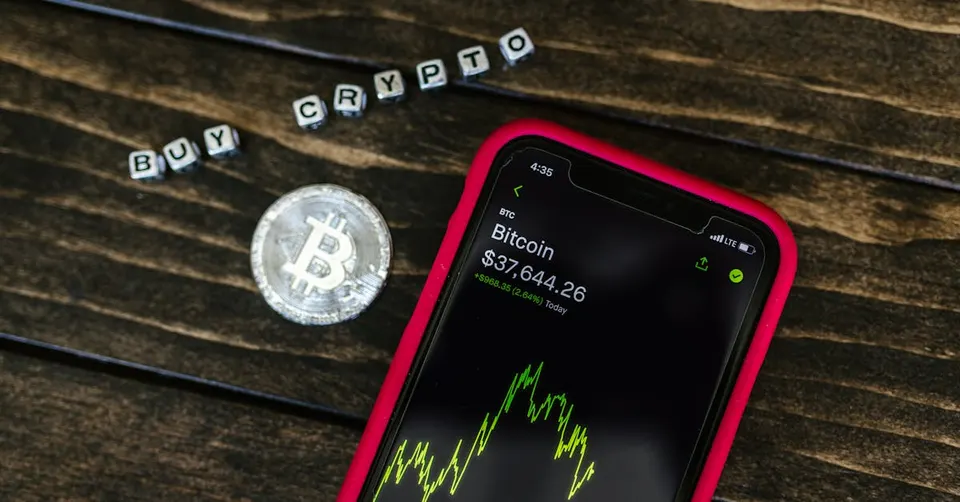
Globally, the cryptocurrency market is seeing a wave of profit-taking after Bitcoin failed to sustain its momentum above the $80,000 mark. Bitcoin is currently trading near $77,794, down from its Wednesday high of $79,388. This retreat has dragged other major assets like Ethereum and Solana into the red, as the initial euphoria over potential US regulatory shifts meets the cold reality of geopolitical instability. While the long-term outlook for digital assets remains tied to US policy, the immediate term is being dictated by the flow of headlines from the Middle East. For now, the "Trump Trade" in crypto appears to be cooling as investors seek the safety of traditional havens, even as the price of gold per ounce sits at a staggering $4,712.40.
The Looming Crisis for Keir Starmer
Across the Atlantic, the United Kingdom’s political landscape is bracing for a seismic shift. Data analysis suggests that the Labour Party, under Keir Starmer, is on track for record-low performances in the upcoming local elections. The pressure on Starmer is reaching a breaking point as voters express frustration over the cost-of-living crisis and the government’s perceived inability to tackle domestic issues like ticket touting and migrant care worker policies. The potential for "unprecedented" losses in Wales, Scotland, and English councils suggests that the post-election honeymoon for Labour is not just over—it has turned into a period of high jeopardy that could embolden the Reform party and internal critics alike.
This domestic turmoil in the UK mirrors a broader trend across Western democracies where incumbent leaders are struggling to maintain support amidst global instability. As Starmer faces calls to honor pledges on everything from consumer rights to immigration, his government’s focus is being pulled in too many directions at once. If the projected losses materialize on May 7, it will not only weaken Starmer’s mandate but also complicate the UK’s role in international coalitions, particularly regarding the ongoing crisis in the Middle East and the escalating tensions with Iran.
Frequently Asked Questions
Why did the US Navy Secretary resign so suddenly?
Is the Strait of Hormuz completely closed to shipping?
Why is the USD/IRR rate stable despite the threat of war?
What happened to Bitcoin's rally toward $80,000?
Understanding the Strategic Importance of the Strait of Hormuz
The Strait of Hormuz is a narrow waterway that connects the Persian Gulf with the Gulf of Oman and the open Indian Ocean. At its narrowest point it is only about 21 nautical miles wide, yet it channels roughly a fifth of the world’s petroleum—about 20 million barrels per day—making it one of the most critical maritime chokepoints on the planet.
Because such a large share of global oil passes through this corridor, any threat to its free flow—whether a naval blockade, the seizure of merchant vessels, or the mining of its waters—can send shockwaves through energy markets, trigger spikes in oil prices, and strain the economies of oil‑importing nations. History shows this sensitivity: during the 1980s Iran–Iraq War, Iran’s mining of the strait caused oil price spikes, and more recently, brief closures in 2019 and 2020 led to noticeable market turbulence.
The strategic calculus extends beyond oil. The strait is also a key route for liquefied natural gas (LNG), petrochemicals, and bulk commodities. Nations with naval capabilities, especially the United States, maintain a persistent presence to ensure freedom of navigation, while Iran’s Revolutionary Guard Corps (IRGC) views control of the waterway as a leverage tool in diplomatic negotiations. This duality makes the strait a flashpoint where commercial interests and geopolitical rivalries intersect.
For policymakers, understanding the strait’s importance helps frame risk‑management strategies: diversifying energy supply routes, maintaining strategic petroleum reserves, and engaging in diplomatic de‑escalation mechanisms. For businesses and investors, monitoring developments in the Hormuz corridor can provide early warning signals for commodity price volatility and supply chain disruptions.
In short, the Strait of Hormuz exemplifies how a geographic bottleneck can amplify geopolitical tension into global economic consequences, underscoring why its security remains a top priority for the international community.