Hormuz Deadlock: US Navy Chief Resigns Amid Blockade as Global Markets Face New Fiscal Strains
بنبست هرمز و استعفای فوری وزیر نیروی دریایی آمریکا؛ فشار مالی جنگ بر بودجههای جهانی سنگینتر شد
The sudden exit of the US Navy Secretary and Iran's refusal to reopen the Strait of Hormuz have pushed geopolitical tensions to a new peak. Meanwhile, the UK and Australia grapple with the massive fiscal costs of the conflict.
At time of publishing
USD
154,050
Toman
Gold 18K
17.67M
Toman / gram
Naval Leadership Crisis Amid Hormuz Blockade
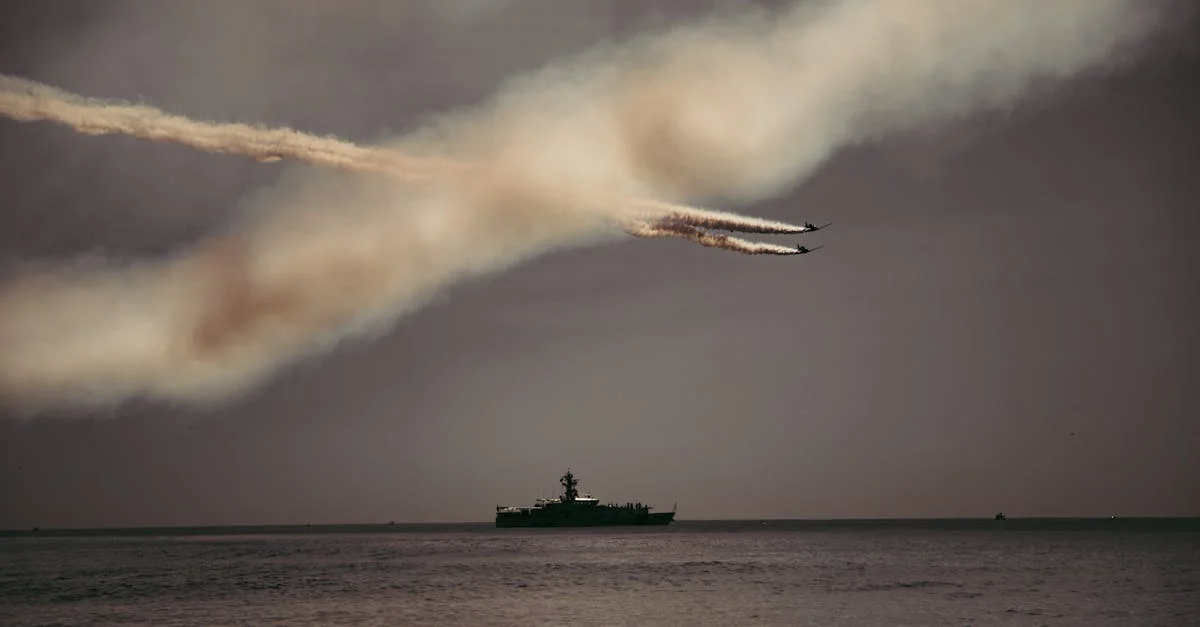
The sudden resignation of the US Navy Secretary, effective immediately, has sent shockwaves through the Pentagon and international maritime circles. This departure comes at a critical juncture as the blockade of Iranian ports continues and the Strait of Hormuz remains a primary flashpoint of global tension. While the Pentagon has moved quickly to appoint a deputy, the timing suggests a deep internal rift within the Trump administration regarding the naval strategy in the Persian Gulf. Iranian officials, including Foreign Minister Abbas Araghchi and Parliament Speaker Mohammad Bagher Ghalibaf, have maintained a firm stance, stating that reopening the Strait is "impossible" as long as ceasefire violations and US-Israeli aggression persist.
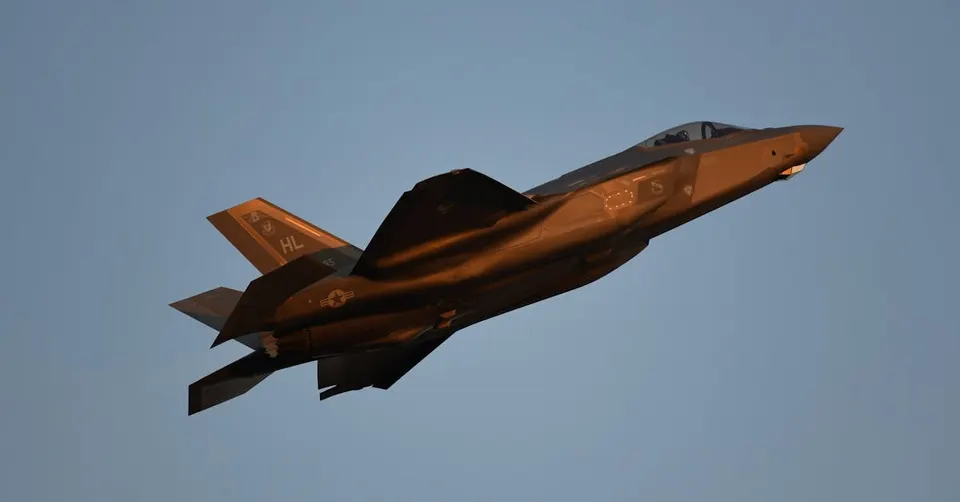
For global markets, this leadership vacuum in the US Navy introduces a new layer of "geopolitical fog." President Pezeshkian has characterized the ongoing blockade and threats as the primary obstacles to any genuine negotiation, effectively putting the ball back in Washington's court. The stalemate has frozen the USD/IRR rate at 154,050 Toman, reflecting a market that is currently holding its breath, waiting for a decisive move from either the White House or the Revolutionary Guards. The situation is further complicated by reports that recent images of Iranian women allegedly "saved" by US intervention were AI-manipulated, adding a layer of information warfare to the physical naval standoff.
Global Economic Fallout and Fiscal Strains
The financial cost of the conflict is beginning to manifest in the ledgers of Western economies. In the UK, Chancellor Rachel Reeves is facing a significant fiscal "hole" as the war in Iran threatens to blow past carefully calculated budgetary headroom. Despite a slight undershoot in annual borrowing targets, the rising cost of energy and military readiness is putting immense pressure on the British Treasury. This is mirrored in Australia, where the war has reignited a fierce debate over gas export taxes, as the public demands that the country’s natural resource wealth be used to offset the economic volatility caused by Middle Eastern instability. The Australian government’s decision to cut disability support (NDIS) while boosting defense spending by $53 billion has sparked widespread public unease.

Ironically, while national budgets are strained, the world’s ultra-wealthy continue to see an "unprecedented acceleration" in wealth creation. A new report by Knight Frank suggests the number of billionaires could surge to nearly 4,000 by 2031, despite the global instability. This divergence between state fiscal health and private wealth accumulation is becoming a central political theme, particularly as public services in countries like the UK and Australia face cuts to fund defense spending. For the average investor, this highlights a world where asset inflation remains a powerful force even amidst geopolitical chaos, as gold prices in the Iranian market saw a slight 0.6% dip to 17,667,251 Toman per gram, while global spot gold remains elevated at $4,708.
Crypto Missed Opportunities and Market Sentiment
In the world of digital assets, the ghost of the FTX collapse continues to haunt the market with staggering "what-if" scenarios. It was revealed today that the FTX bankruptcy estate sold its stake in the AI coding startup Cursor for a mere $200,000 in 2023. Following SpaceX’s recent valuation of the company at $60 billion, that stake would now be worth an estimated $3 billion. This massive missed recovery underscores the extreme volatility and rapid growth of the AI sector, which has become the primary driver of venture capital interest, even as traditional crypto assets like Bitcoin experience a period of consolidation. It serves as a stark reminder of how quickly the tech landscape can shift, leaving even institutional liquidators behind.

Bitcoin itself is currently struggling to maintain its grip on the $80,000 level, trading around $77,794 after a slight retreat. Analysts are closely watching the "bull score index," which has moved into neutral territory—a move that historically signals a major turning point but often comes with a "warning" of short-term volatility. With major altcoins like Solana and Ethereum seeing profit-taking, the market appears to be searching for a new catalyst. Whether that comes from a de-escalation in the Persian Gulf or further AI-driven breakthroughs remains the billion-dollar question for traders. Meanwhile, the Cardano community is navigating its own transition, with builders seeking a smaller $46.8 million funding slice for scaling, reflecting a more disciplined approach to ecosystem growth in 2026.
Watch
Iran vs US Crisis April 18, 2026: Strait of Hormuz Blockade, Oil $160, Ceasefire Collapse?
RMN
Frequently Asked Questions
Why did the US Navy Secretary resign so suddenly?
How is the Iran conflict affecting the UK and Australian economies?
What is the significance of the FTX/Cursor story for investors?
Will the Strait of Hormuz reopen soon?
The Strait of Hormuz: A Global Energy Chokepoint
The Strait of Hormuz stands as one of the world's most critical geopolitical chokepoints, a narrow sea passage that is indispensable for global energy security. A "chokepoint" in this context refers to a geographical feature, such as a strait or canal, that is essential for international trade and military movement, and where the flow of goods can be easily disrupted. For Hormuz, its strategic significance stems from being the sole maritime route connecting the Persian Gulf's oil-rich producers—including Saudi Arabia, Iran, UAE, Kuwait, and Iraq—to the open ocean and, subsequently, to the rest of the world.
Through this vital waterway, approximately one-fifth of the world's total petroleum consumption and a quarter of global liquefied natural gas (LNG) supply transit daily. Any significant disruption, such as a blockade or heightened military tensions, poses an immediate and severe threat to global energy markets. Such events can trigger sharp spikes in crude oil and natural gas prices, leading to increased costs for businesses and consumers worldwide, fueling inflation, and potentially pushing vulnerable economies into recession.
The economic ramifications extend far beyond energy prices. Higher energy costs inflate transportation and production expenses across industries, impacting supply chains and consumer goods. Furthermore, the uncertainty generated by a potential blockade or conflict in a region as strategically vital as Hormuz can lead to a flight of capital from riskier assets, increased volatility in financial markets, and a general dampening of global economic confidence. This interconnectedness highlights why events in seemingly distant regions can quickly translate into "fiscal strains" and market anxieties across the globe, as indicated by the headline.