GPT-5.5 Debuts as Trump Issues 'Shoot to Kill' Order in Hormuz and Fires Navy Secretary
رونمایی از GPT-5.5 همزمان با دستور «شلیک برای کشتن» ترامپ و اخراج وزیر نیروی دریایی آمریکا
OpenAI accelerates the AI race with GPT-5.5 while President Trump escalates tensions in the Persian Gulf, authorizing lethal force against mine-layers and firing his Navy Secretary amid a domestic shipbuilding dispute.
At time of publishing
USD
154,050
Toman
Gold 18K
17.67M
Toman / gram
OpenAI’s GPT-5.5 Leap and the Mythos of AI Security
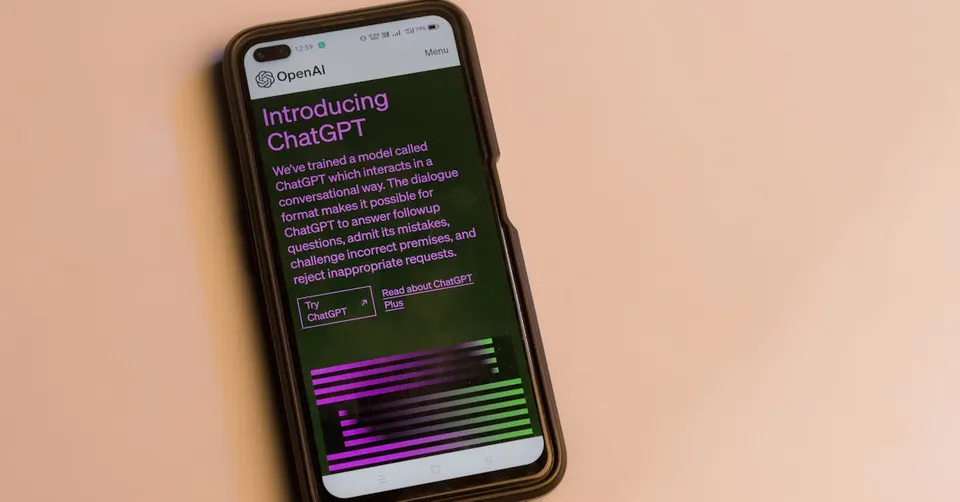
OpenAI has once again disrupted the technology landscape with the surprise release of GPT-5.5, a model the company describes as a critical bridge toward a full AI ‘superapp.’ This version arrives only a month after its predecessor, signaling an aggressive acceleration in development cycles. According to early reports, GPT-5.5 shows transformative improvements in complex coding, debugging, and intuitive reasoning. The company claims this model is designed to act as a proactive agent rather than a reactive chatbot, moving closer to the long-promised vision of Artificial General Intelligence (AGI) that can manage entire workflows with minimal human oversight.
However, the excitement in the AI sector is tempered by a major security embarrassment at Anthropic. Their highly touted ‘Claude Mythos’ model, which was kept under lock and key due to its alleged advanced cybersecurity capabilities, has reportedly been accessed by unauthorized users. This breach highlights the growing paradox of the AI industry: as models become more powerful and ‘dangerous,’ they become higher-value targets for hackers. The juxtaposition of OpenAI’s expansion and Anthropic’s vulnerability suggests that the race for intelligence is currently outpacing the industry's ability to secure its most sensitive innovations.
Trump’s ‘Shoot to Kill’ Order and the Naval Shake-up
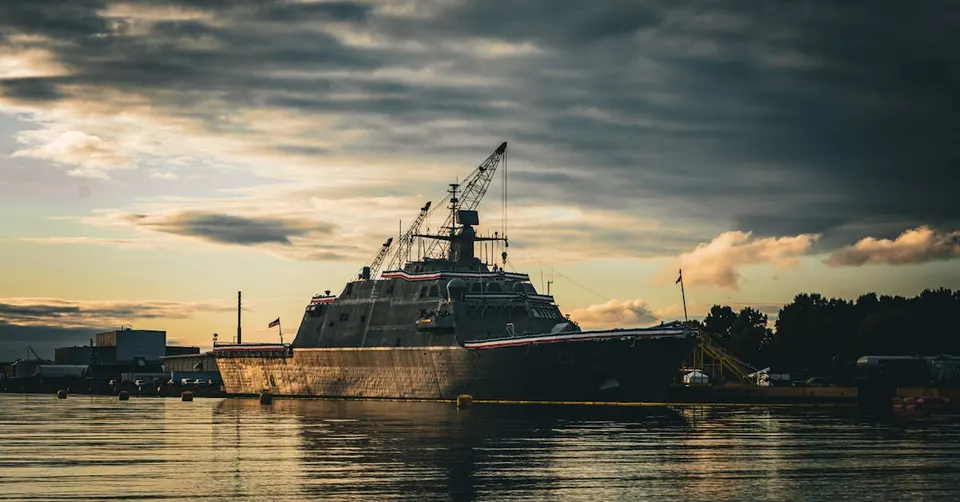
Geopolitical tensions reached a boiling point this hour as President Donald Trump issued a standing order for the US Navy to ‘shoot and kill’ any Iranian vessels caught laying mines in the Strait of Hormuz. This escalation follows the Pentagon's confirmation that US forces have boarded a second Iranian-linked tanker, intensifying a maritime siege that has already sent shockwaves through energy markets. Trump’s rhetoric remains defiant, claiming ‘total control’ over the waterway, even as military analysts warn that clearing the mines already placed could take up to six months. The UK has stepped in with a proposal to deploy RAF Typhoons and mine-hunting drones to assist, but the situation remains a logistical and diplomatic nightmare.
Adding to the chaos, the White House abruptly fired Navy Secretary John Phelan. While the timing during a naval crisis is jarring, sources suggest the ousting was rooted in a domestic dispute over slow shipbuilding progress and friction with Defense Secretary Pete Hegseth. This internal instability at the top of the Pentagon raises questions about the US military's readiness to manage a prolonged blockade. With the Navy’s top civilian official gone and a ‘shoot to kill’ policy in effect, the risk of a miscalculation leading to a full-scale regional conflict has never been higher.
Europe’s Long-Term Bet: €90 Billion for Ukraine
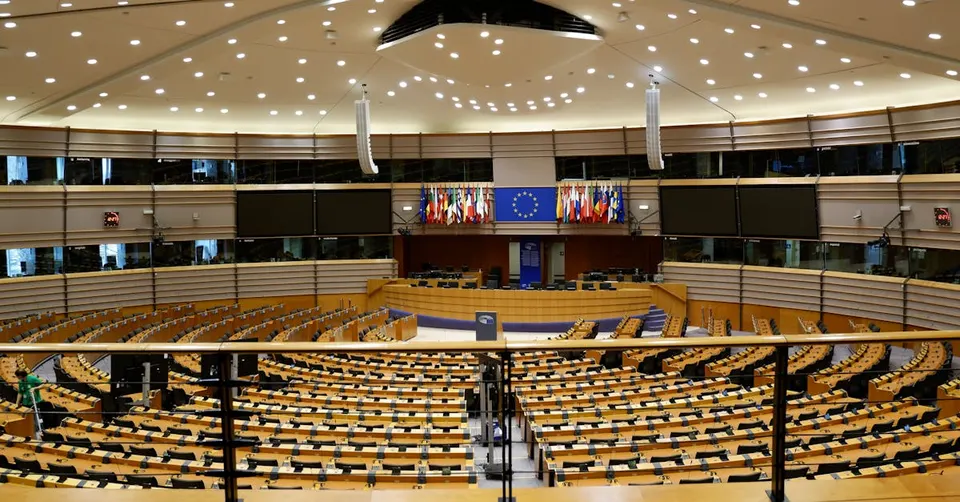
In a historic move, the European Union has formally approved a €90 billion loan for Ukraine, coupled with its 20th sanctions package against Russia. This massive financial commitment reflects a grim consensus in Brussels: peace in Eastern Europe is likely years away. Unlike previous aid packages that focused on immediate humanitarian needs, this loan is heavily weighted toward military infrastructure and long-term defense spending. By securing this funding, the EU is signaling to both Moscow and Washington that it is prepared to sustain Ukraine’s war effort independently, regardless of shifting political winds in the United States.
The package was only made possible after Hungary finally lifted its long-standing veto, following intense diplomatic pressure and internal EU negotiations. This move consolidates European unity at a time when global alliances are being tested by the crisis in the Middle East. For Ukraine, the funds provide a much-needed fiscal floor to continue its resistance, while the new sanctions aim to further cripple Russia’s ability to procure sensitive technology for its drone and missile programs. The 20th package specifically targets shadow fleets and third-party intermediaries that have helped Russia bypass previous restrictions.
Iran Market Update: Stability Amid Global Turmoil
Despite the aggressive rhetoric coming from Washington and the ongoing blockade in the Persian Gulf, the Iranian currency market remained remarkably flat over the last 24 hours. The USD/IRR exchange rate held steady at 154,050 Toman, showing a 0.0% change. This stability suggests that the local market had already priced in much of the geopolitical risk or that the Central Bank is actively intervening to prevent a panic-driven spike. While the 'Shoot to Kill' order is a significant headline, the lack of immediate movement in the dollar rate indicates a 'wait and see' approach from major institutional traders in Tehran.
In contrast, the gold and coin markets saw a slight cooling. Gold 18k/gram dropped from 17,779,445 to 17,665,635 Toman, a decrease of 0.6%. Similarly, the Emami coin fell from 177,000,000 to 176,000,000 Toman (-0.6%). This downward trend is largely reflective of the global gold price, which currently sits at $4,719 per ounce. As global investors look for liquidity or shift toward other safe havens, the slight dip in local gold prices offers a brief window of correction for Iranian savers who have been grappling with record highs over the past few weeks.

Watch
📅 ThursdAI - Apr 23 - Codex CUA, Claude Design, GPT Image 2, GPT 5.5 leak, Cursor / SpaceX & more
Alex Volkov from ThursdAI
Frequently Asked Questions
What makes GPT-5.5 different from previous versions?
Why did Donald Trump fire the Navy Secretary during the Hormuz crisis?
How is the 'Shoot to Kill' order expected to affect oil prices?
Why is the EU providing such a large loan to Ukraine now?
Why the Strait of Hormuz Matters: A Global Oil Chokepoint
The Strait of Hormuz is a narrow waterway that connects the Persian Gulf with the Gulf of Oman and the open ocean. At its narrowest point it is only about 21 nautical miles wide, yet it handles roughly 20% of the world’s petroleum—including crude oil and refined products—making it one of the most critical maritime chokepoints on the planet. Because the majority of oil from Saudi Arabia, Iran, Iraq, Kuwait, and the United Arab Emirates must pass through this corridor, any disruption can instantly ripple through global energy markets, affecting prices and economic stability worldwide.
Strategically, the strait sits at the intersection of several geopolitical fault lines. Iran, which borders the northern shore, has repeatedly threatened to close the passage in response to sanctions or military confrontations, while the United States maintains a naval presence to ensure freedom of navigation. The 1980s Iran‑Iraq War saw the “Tanker War,” where both sides targeted oil tankers, prompting the U.S. Navy’s Operation Earnest Will to escort merchant vessels. More recently, heightened tensions—such as threats of missile attacks or naval blockades—have revived concerns about the strait’s vulnerability.
Economically, the strait’s importance is reflected in oil pricing mechanisms. Futures contracts on benchmarks like Brent and WTI often react to news of potential closures, leading to price spikes even before any actual disruption occurs. Moreover, countries that rely heavily on imported oil, such as Japan, South Korea, and many European nations, monitor Hormuz closely because a shutdown could force them to seek alternative, often more expensive, supply routes.
Security analysts also point to the strait’s role in broader regional power dynamics. Control over Hormuz can be leveraged as a diplomatic tool, influencing negotiations over nuclear programs, sanctions, and trade agreements. Consequently, the international community—through the United Nations and various maritime coalitions—has repeatedly called for the strait to remain open and safe for commercial traffic, emphasizing the principle of freedom of navigation under international law.
Understanding the Strait of Hormuz helps explain why headlines about military threats, naval deployments, or even cyber‑related incidents (like the rumored “Anthropic breach”) can cause immediate reactions in global markets, from oil prices to currency fluctuations. It underscores how a single geographic pinch point can shape the economic and security calculus of the entire world.