Hormuz at the Brink: Trump Issues ‘Shoot to Kill’ Order as Gold Dips and GPT-5.5 Arrives
تنش در هرمز به اوج رسید: فرمان «شلیک مستقیم» ترامپ همزمان با افت طلا و رونمایی از GPT-5.5
President Trump has authorized lethal force against mine-laying vessels in the Strait of Hormuz, heightening global fears of a full-scale naval conflict. Meanwhile, OpenAI's surprise GPT-5.5 launch and Meta's massive layoffs signal a volatile new chapter for the tech industry.
At time of publishing
USD
154,050
Toman
Gold 18K
17.67M
Toman / gram
The Lethal Escalation in the Strait of Hormuz
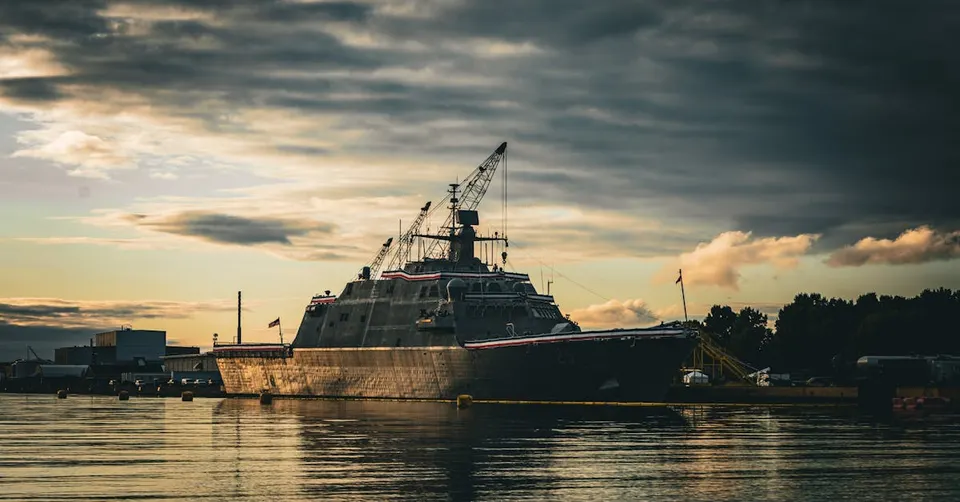
In a move that has sent shockwaves through global energy markets and diplomatic circles, President Donald Trump has issued a direct 'shoot to kill' order to the U.S. Navy. The mandate targets any Iranian or unidentified vessels caught laying mines in the strategic Strait of Hormuz. This escalation follows the abrupt resignation of U.S. Navy Secretary John Phelan, leaving the Pentagon’s naval leadership in a state of flux at the most critical juncture of the current maritime siege. Trump’s rhetoric remains defiant, claiming the United States now has "total control" of the waterway, despite Iran’s counter-claims that reopening the strait is "impossible" due to flagrant ceasefire breaches by U.S.-aligned forces.
Adding a layer of international complexity, the United Kingdom has entered the fray with a proposal to deploy RAF Typhoon jets based in Qatar to patrol the region. The British offer, which includes advanced mine-hunting drones and specialist diving teams, suggests that a 30-nation coalition is forming to manage the aftermath of the blockade. However, the immediate risk of a direct kinetic engagement between the U.S. and Iran has never been higher. For global markets, this means the relief of a potential ceasefire is being overshadowed by the prospect of a prolonged, high-intensity naval conflict that could keep oil prices elevated for months.
AI Wars: GPT-5.5 Debuts Amidst Anthropic’s ‘Mythos’ Breach
While the world watches the Persian Gulf, the Silicon Valley arms race has taken a dramatic turn. OpenAI has officially released GPT-5.5, a model the company claims brings it closer to the elusive AI "super app." This latest iteration promises enhanced reasoning and multi-modal integration that could redefine personal computing. The launch is strategically timed to dominate the narrative as the industry reels from Meta’s announcement that it will cut 10% of its workforce—approximately 8,000 employees—by late May. The tech sector's "year of efficiency" appears to be extending into 2026, as companies pivot resources toward massive AI infrastructure projects.
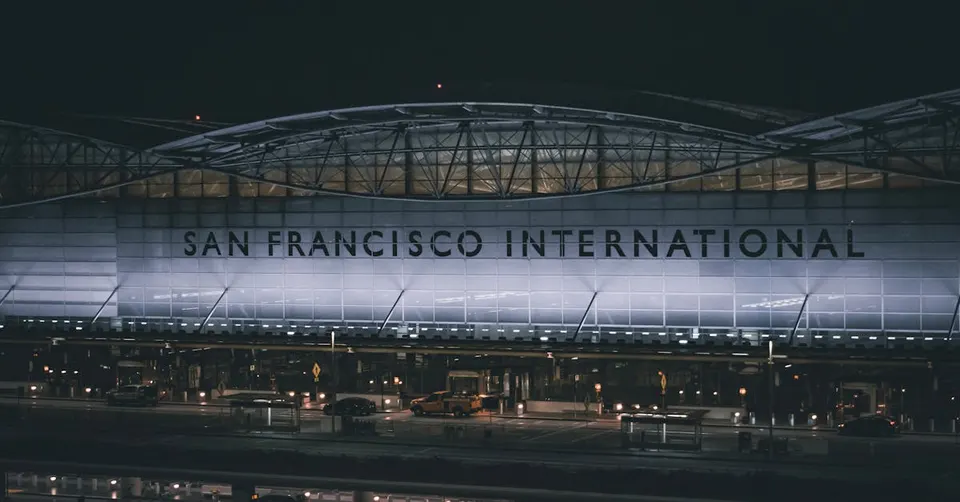
However, the AI boom is not without its scandals. Anthropic’s highly secretive "Claude Mythos" model, which the company had previously refused to release due to its extreme cybersecurity capabilities, has reportedly suffered a humiliating data breach. A small group of unauthorized users allegedly gained access to the model, proving that even the most guarded digital vaults are vulnerable. This breach raises fundamental questions about the safety of "too-powerful-to-release" AI and whether the race for dominance is outpacing the industry's ability to secure its own inventions. For investors, the contrast between OpenAI’s product success and Anthropic’s security failure is likely to shift venture capital flows toward more established platforms.
Local Market Pulse: Gold’s Slight Retreat Amidst Global Chaos
In the Iranian domestic market, the atmosphere remains one of cautious observation. Despite the escalating rhetoric in the Persian Gulf, gold prices saw a slight downward correction over the last 24 hours. Gold 18k per gram moved from 17,779,445 to 17,665,635 Toman, a decrease of 0.6%. Similarly, the Emami coin dropped from 177,000,000 to 176,000,000 Toman (-0.6%). This minor dip suggests that local traders may have already priced in much of the "war premium," or are perhaps moving into more liquid assets as the situation remains unpredictable. The US Dollar, meanwhile, remained static at a sell rate of 154,050 Toman, showing a 0.0% change as the Central Bank likely intervenes to prevent a panic-driven spike.

Beyond the traditional hedges, the global supply chain is showing strain in unexpected places. Karex, the world’s largest producer of condoms, has announced a 30% price hike, citing the Iran war’s impact on shipping routes and raw material costs. This is a stark reminder that the blockade in Hormuz is not just about oil; it is a systemic shock affecting everything from medical supplies to consumer goods. For Iranian households, the stability of the USD at 154,050 Toman provides a thin veneer of calm, but the underlying volatility in gold and the rising costs of imported goods suggest that the economic pressure of the maritime siege is only beginning to be felt.
Watch
Daily News brief - 18th April, 2026. U.S.-Iran Ceasefire / Strait of Hormuz blockade
Istanbul & beyond
Frequently Asked Questions
What does Trump's 'shoot to kill' order mean for the Hormuz blockade?
Why did gold prices drop in Iran despite the rising war tensions?
How significant is the release of OpenAI's GPT-5.5?
Why did the U.S. Navy Secretary resign during this crisis?
The Strategic Significance of the Strait of Hormuz
The Strait of Hormuz is a narrow waterway that connects the Persian Gulf with the Gulf of Oman and the open Indian Ocean. At its narrowest point it is only about 21 nautical miles wide, yet roughly 20% of the world’s petroleum passes through it daily. This concentration makes the strait a chokepoint: any disruption—whether by military action, mines, or a blockade—can instantly ripple through global oil markets, pushing crude prices up and, by extension, affecting commodities like gold that are often used as inflation hedges.
Historically, the strait has been a flashpoint between Iran and the United States. Iran’s strategic doctrine treats control of Hormuz as a bargaining chip; it has threatened to close the waterway during periods of heightened tension, knowing that even a brief closure could cause a spike in oil prices and strain the global economy. The U.S. Navy maintains a continuous presence there, ready to escort merchant vessels and deter Iranian actions. Recent resignations within the U.S. Navy leadership and heightened rhetoric have revived concerns about the stability of this maritime corridor.
The economic fallout of a Hormuz disruption extends beyond oil. Shipping costs rise as vessels are forced to take longer routes around the Cape of Good Hope, adding days and fuel to journeys. This amplifies the global shipping crisis, inflating freight rates and impacting supply chains for everything from electronics to food. Higher transport costs can feed into inflation, prompting investors to shift into safe‑haven assets such as gold, which explains the observed correlation between Hormuz‑related tensions and short‑term gold price movements.
Understanding the strait’s role helps explain why geopolitical events—like a hypothetical “shoot‑to‑kill” order or a high‑profile resignation—receive outsized media attention. The strait is not just a narrow channel; it is a lever that can be used to influence global economic stability, energy security, and even the strategic calculations of major powers.
For policymakers and business leaders, monitoring the security environment in Hormuz is essential. Risk‑management strategies, such as diversifying energy sources, maintaining strategic petroleum reserves, and securing alternative shipping routes, can mitigate the shock of any sudden disruption.