Trump Issues 'Shoot-to-Kill' Order in Hormuz as Oil Hits $106; DeepSeek V4 Shakes AI Market
فرمان شلیک ترامپ در تنگه هرمز و جهش نفت به ۱۰۶ دلار؛ شوک هوش مصنوعی دیسیک به بازار تکنولوژی
Tensions skyrocket as Trump orders the US Navy to target mine-layers in the Strait of Hormuz, while oil prices surge. Meanwhile, China's DeepSeek launches a powerful new AI model as Bitcoin's rally hits a wall.
At time of publishing
USD
154,050
Toman
Gold 18K
17.54M
Toman / gram
The Battle for the Strait of Hormuz: Trump vs. Reality
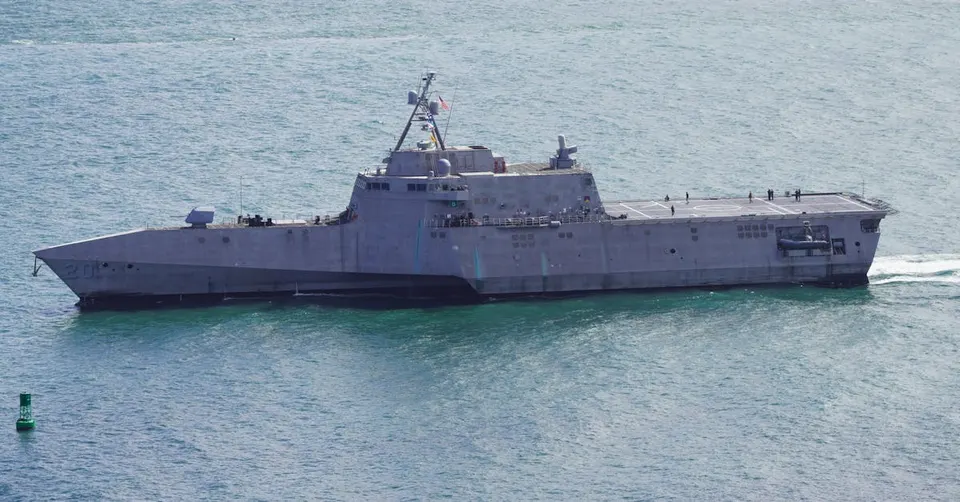
President Donald Trump has escalated tensions in the Middle East to a fever pitch, issuing a "shoot and kill" order against any vessels attempting to lay mines in the Strait of Hormuz. This directive comes after Iran's seizure of two container ships and reports that the vital waterway could be clogged with mines for up to six months. While Trump claims the United States has "total control" over the passage, the reality on the water remains precarious. Oil prices have surged past $106 per barrel as markets price in a prolonged disruption to global energy supplies. The Pentagon has warned that clearing the strait of mines is a technical challenge that cannot be solved by rhetoric alone, potentially leaving global trade routes vulnerable for months.
The impact of this standoff is felt immediately in the shipping industry, where insurance premiums have skyrocketed. Military analysts warn that a "shoot and kill" policy could lead to unintended skirmishes, potentially drawing the U.S. into a direct naval conflict. For the global economy, the Strait of Hormuz remains the ultimate choke point; any sustained closure would not only keep oil prices high but also trigger a secondary wave of inflation across Western economies that are already struggling with high interest rates. In Tehran, the USD sell rate remains stable at 154,050 Toman, though the 0.0% change over 24 hours suggests a market held in suspense as traders wait for the next geopolitical move.
A Diplomatic Breather: Lebanon Truce Extended
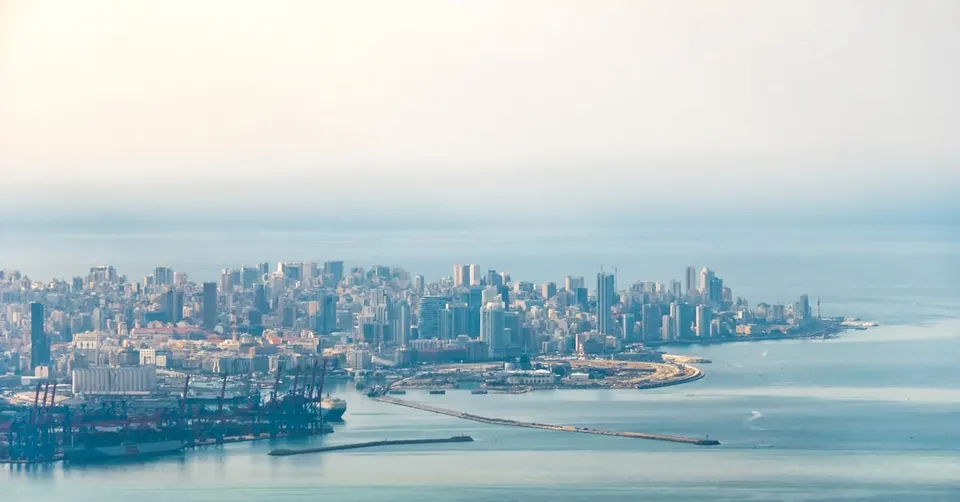
Amidst the naval posturing, a glimmer of diplomatic hope has emerged. President Trump announced that Israel and Lebanon have agreed to extend their current cease-fire for another three weeks. This extension is seen as a critical window for negotiators to hammer out a more permanent peace agreement that could eventually de-escalate the broader conflict involving Iran. However, the backdrop of this truce is a report suggesting a fundamental shift in Tehran’s internal power structure. Analysts suggest the Revolutionary Guards are taking a more dominant role in governance, effectively moving the country toward a military-led administration during this period of high alert.
This shift toward a "generals' regime" complicates future negotiations, as the military elite often holds a more hardline stance than traditional diplomatic cadres. Furthermore, the information war is intensifying; recent reports highlight the use of AI-generated "fake victims" to stir international sentiment against the Iranian government. This digital propaganda adds a layer of complexity for global observers trying to discern fact from fiction in a rapidly evolving conflict zone. Locally, the price of Gold 18k has dipped slightly to 17,538,667 Toman per gram (-0.7%), reflecting a minor correction despite the massive global gold price of $4,673.50 per ounce.
Tech & Markets: DeepSeek V4 and the Crypto Stall
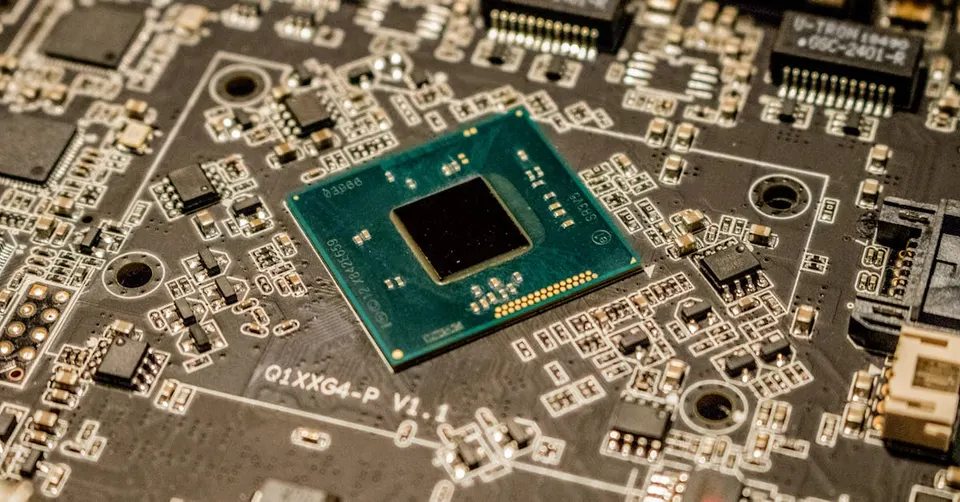
In the world of technology, the Chinese startup DeepSeek has once again sent ripples through Silicon Valley by unveiling its latest model, DeepSeek-V4-Pro. The company claims this new iteration outperforms all rival open-source models in mathematics and coding, intensifying the AI arms race between Washington and Beijing. This launch comes at a sensitive time, as the White House has recently issued a memo accusing Chinese firms of "mass AI theft," distilling American models to accelerate their own development. The tech sector is now bracing for further export controls as the U.S. attempts to maintain its qualitative edge in generative AI.
Meanwhile, the financial markets are showing signs of fatigue. Bitcoin’s recent rally has stalled, pressured by rising inflation in Japan and the persistent threat of oil supply disruptions from the Iran-Israel conflict. The "war-risk premium" is keeping investors cautious, while a bizarre scandal has hit the prediction market Polymarket. A U.S. special forces soldier was arrested for allegedly using classified information to bet $400,000 on the removal of Nicolás Maduro in Venezuela—a case that highlights how these decentralized betting platforms are becoming high-stakes arenas for real-world intelligence and potential insider trading.
Watch
Oil Markets Rattle as Strait of Hormuz Tensions Escalate | 9AM Headlines Geo News (24 April 2026)
Geo News
Frequently Asked Questions
Why did oil prices jump to $106?
What is DeepSeek-V4-Pro and why does it matter?
Has the Lebanon-Israel war ended?
Why is a US soldier being charged for using Polymarket?
The Strategic Significance of the Strait of Hormuz
The Strait of Hormuz is a narrow waterway, only about 21 miles (34 km) wide at its narrowest point, that connects the Persian Gulf with the Gulf of Oman and the open Indian Ocean. Despite its modest size, it serves as the world’s most critical oil chokepoint: roughly 20% of global petroleum liquids—about 21 million barrels per day—pass through it. This concentration means that any disruption, whether from geopolitical tension, military action, or even a technical accident, can instantly reverberate through global energy markets, pushing oil prices upward as we saw when prices spiked to $106 a barrel.
The strategic importance of the strait stems from both geography and politics. Iran, which controls the northern shoreline, and the United Arab Emirates, Oman, and Saudi Arabia on the southern side, have long leveraged the passage to exert pressure. When a nation threatens to close or attack shipping in the Hormuz corridor, it signals a potential supply shock, prompting buyers to hedge, stockpile, or seek alternative routes—behaviors that amplify price volatility. The United States, under successive administrations, has maintained a naval presence to ensure freedom of navigation, a policy that was highlighted by former President Trump’s “shoot‑to‑kill” order aimed at deterring Iranian interference.
Beyond oil, the strait also channels natural gas and other bulk commodities, making it a linchpin of the broader energy security equation. For oil‑importing economies—especially in Asia—any sustained closure would force a rapid shift to more expensive, longer routes around the Cape of Good Hope, raising shipping costs and potentially reshaping trade patterns. Conversely, oil‑exporting nations like Saudi Arabia and the United Arab Emirates would see revenues plunge, exacerbating fiscal pressures and possibly destabilizing regional economies, including Iran’s already strained finances.
Understanding the Strait of Hormuz’s role helps explain why headlines about military orders, price spikes, or diplomatic truce talks (such as the Lebanon cease‑fire) often appear linked. The waterway is not just a geographic feature; it is a barometer of geopolitical risk that can turn a regional dispute into a global economic shock within hours.