Hormuz Tensions Escalate, UK Fuel Sales Surge, DeepSeek V4-Pro Challenges AI Rivals, Morgan Stanley Eyes Stablecoins
تنش در هرمز تشدید شد، فروش سوخت در بریتانیا افزایش یافت، دیپسیک V4-Pro رقبای هوش مصنوعی را به چالش میکشد، مورگان استنلی به استیبلکوینها میپردازد
Global tensions escalate as the US asserts control over the Strait of Hormuz amid oil price hikes and a draining of military supplies. Economic ripples are felt in the UK with a surge in fuel sales, while China's DeepSeek V4-Pro intensifies the AI race. Meanwhile, Morgan Stanley enters the stablecoin market, reflecting growing institutional interest in digital assets.
At time of publishing
USD
154,050
Toman
Gold 18K
17.59M
Toman / gram
Hormuz Tensions Escalate as US Military Supplies Dwindle Amid Iran War
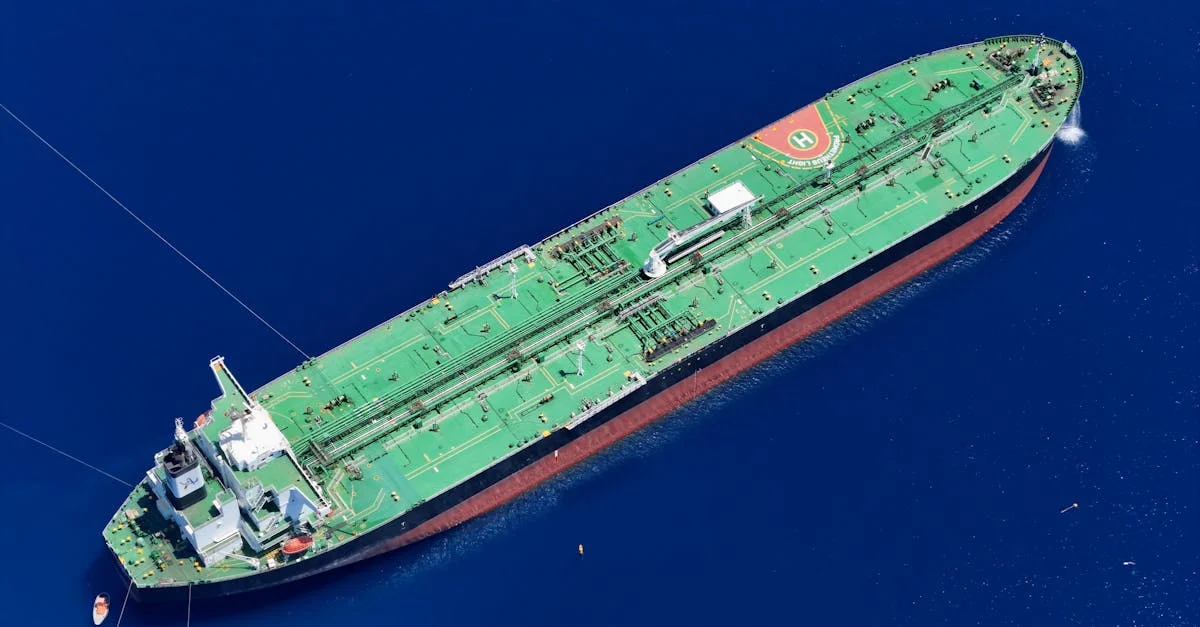
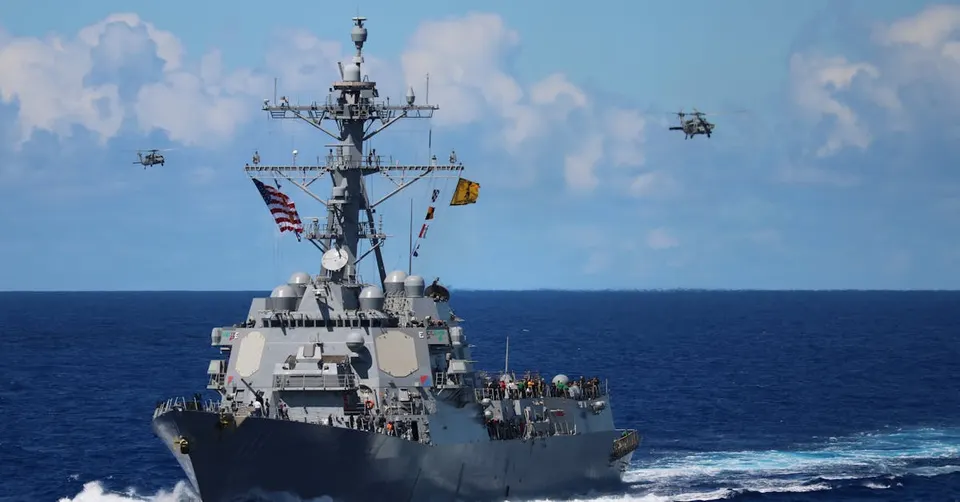
The geopolitical landscape surrounding the Strait of Hormuz remains highly volatile, with US President Donald Trump reiterating claims of “total control” over the critical waterway, even as Iranian forces reportedly seized two container ships. This assertion follows Trump's controversial “shoot-to-kill” order for naval vessels laying mines in the strait, a move that has further ratcheted up tensions in the region. The ongoing conflict has pushed global oil prices above $106 per barrel, reflecting market anxieties over potential supply disruptions from this crucial shipping choke point, which handles a significant portion of the world's seaborne oil. This prolonged instability underscores the fragility of global energy markets in the face of escalating military confrontations.
Moreover, the New York Times reports that the protracted war in Iran has significantly drained US supplies of critical and costly weapons. The Pentagon's urgent need to rearm its forces in the Middle East is now reportedly impacting its readiness to confront other major adversaries like Russia and China, according to administration and congressional officials. This strategic strain highlights the long-term costs of sustained military engagement and the complex balance the US must strike between immediate regional conflicts and broader global power projections. Meanwhile, efforts to de-escalate have seen the Israel-Lebanon ceasefire extended by three weeks, a critical development in preventing the wider regional conflict from spiraling further, though progress on a comprehensive Iran deal remains elusive.
UK Retail Sales Surge on Fuel Panic Buying, Gold Prices Dip
British retail sales unexpectedly rose by 0.7% in March, significantly exceeding analyst forecasts, a surge largely attributed to motorists rushing to stock up on fuel. The Office for National Statistics (ONS) confirmed that the quantity of fuel bought hit its highest levels in months, directly reflecting public anxiety over escalating petrol prices and potential shortages stemming from the ongoing Iran war. This consumer behavior illustrates a direct economic consequence of geopolitical instability, as households react swiftly to perceived threats to essential supplies and rising costs. While sunny weather also contributed to increased retail activity, the underlying driver for fuel purchases points to deeper inflationary concerns.
In the commodity markets, gold experienced a slight dip, with 18k gold per gram moving from 17,665,635 Toman to 17,585,068 Toman, marking a -0.5% change over the last 24 hours. Despite the broader geopolitical uncertainties that often buoy safe-haven assets, this specific hourly snapshot shows a minor correction. Meanwhile, the USD/IRR exchange rate remained steady at 154,050 Toman, mirroring the stability seen in the Emami coin, which also held at 176,000,000 Toman. These stable currency and coin prices suggest a temporary equilibrium in the domestic market, even as external factors introduce volatility elsewhere.

DeepSeek V4-Pro Ignites AI Race with Math and Coding Prowess
The global artificial intelligence arena has been electrified by the unveiling of DeepSeek-V4-Pro, the latest large language model from Chinese startup DeepSeek. Launched just a year after the company first made waves in the tech world, this new iteration claims to surpass all rival open models in critical areas like mathematics and coding, according to Al Jazeera reports. This development signals a significant advancement in AI capabilities coming from China, highlighting the country's accelerating efforts to compete at the forefront of the technology race. The ability to handle complex computational and logical tasks more efficiently could unlock new applications and efficiencies across various industries.
DeepSeek's rapid progression underscores the intense competition and breakneck pace of innovation characterizing the AI sector. The continuous release of more powerful and specialized models from both established tech giants and emerging startups means that the landscape is constantly shifting, pushing the boundaries of what AI can achieve. This particular model's strength in math and coding could have profound implications for software development, scientific research, and data analysis, potentially democratizing access to high-performance AI tools for a wider range of developers and businesses globally. It also further solidifies China's position as a formidable player in the development of cutting-edge artificial intelligence.

Morgan Stanley Eyes Stablecoin Sector as Bitcoin ETFs See Strong Inflows
Wall Street giant Morgan Stanley is making a strategic move into the burgeoning stablecoin industry, announcing the launch of a new fund specifically designed for stablecoin issuers. This initiative positions the firm as a key reserve manager for stablecoins, signaling a growing acceptance and institutional integration of digital assets within traditional finance. By offering a dedicated fund, Morgan Stanley aims to provide a more regulated and secure environment for managing the reserves that back stablecoins, a critical step towards enhancing trust and stability in this rapidly evolving segment of the crypto market. This move reflects a broader trend of major financial institutions seeking to capitalize on and legitimize the digital asset ecosystem.
Concurrently, the broader cryptocurrency market has shown signs of resilience, with spot Bitcoin ETFs recording their first 8-day inflow streak since October, pulling in a significant $2 billion. This sustained institutional interest in Bitcoin ETFs suggests continued investor confidence and growing mainstream adoption of Bitcoin as an investment vehicle. However, CoinDesk reports also indicate that short-term holders have quietly begun selling, with on-chain profit-taking running at three times the rate observed during previous local tops this year. This mixed signal suggests that while institutional demand remains robust, individual investors may be exercising caution or realizing gains, potentially indicating a period of consolidation for Bitcoin's price rally.
Watch
Iran War Day 55 – Global Prices Explode as Blockade Chokes
PGurus
Frequently Asked Questions
What is the significance of the Strait of Hormuz in the current geopolitical climate?
How is the ongoing Iran war impacting global economies beyond oil prices?
What makes DeepSeek V4-Pro a significant development in the AI landscape?
What does Morgan Stanley's new stablecoin fund signify for the crypto market?
Despite the $2 billion inflows into Bitcoin ETFs, why are short-term holders reportedly selling?
Understanding the Geopolitical Risk Premium on Oil Prices
When headlines mention escalating tensions in regions like the Strait of Hormuz, global oil prices often react sharply, even if actual oil supply hasn't been disrupted. This phenomenon is best understood through the concept of the Geopolitical Risk Premium. This premium is an additional cost factored into the price of a commodity, particularly oil, due to the perceived threat of political instability, conflict, or supply disruptions in key producing or transit regions. It reflects the market's anticipation of future supply constraints or increased costs of doing business, rather than current supply-demand fundamentals alone.
The Strait of Hormuz is a prime example of where this premium frequently arises. As a narrow waterway connecting the Persian Gulf to the open ocean, it is one of the world's most critical oil chokepoints, with a significant portion of the world's seaborne oil passing through it daily. Any threat to the free flow of oil through this strait, whether from military conflict, political disputes, or even the mere rhetoric of such events, immediately triggers concerns about global supply. This perceived vulnerability prompts traders and investors to demand higher prices as a hedge against potential future shortages or increased shipping costs.
This risk premium acts as a buffer, with markets pricing in potential future events before they even occur. It means that consumers and industries worldwide pay more for oil not because there's less oil available today, but because there's a heightened risk that there might be less oil available tomorrow. Understanding this concept is crucial for grasping why oil prices can be so volatile and sensitive to political developments, often impacting everything from fuel sales at the pump to the broader global economy.