Trump’s 21-Day Ceasefire Gamble, Meta’s AI Layoffs, and Japan’s Shadow Over Bitcoin
قمار ۲۱ روزه ترامپ در لبنان، اخراجهای گسترده در متا و سایه تورم ژاپن بر بازار بیتکوین
President Trump secures a three-week extension for the Lebanon ceasefire amid regional tensions, while Meta slashes 10% of its workforce to fuel its AI ambitions. Meanwhile, Bitcoin faces a tug-of-war between massive ETF inflows and hawkish signals from Japan.
At time of publishing
USD
154,050
Toman
Gold 18K
17.59M
Toman / gram
Trump’s 21-Day Gamble: The Lebanon Ceasefire Extension
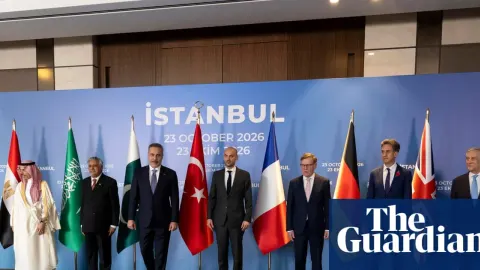
In a move that has temporarily shifted the focus from the escalating maritime tensions in the Strait of Hormuz, President Donald Trump announced that the ceasefire between Israel and Hezbollah in Lebanon has been extended by an additional three weeks. This extension follows high-stakes negotiations at the White House with Israeli and Lebanese envoys. While Trump has maintained a 'shoot-to-kill' policy against Iranian-linked maritime threats, this diplomatic maneuver suggests a strategic effort to contain the northern front. By preventing a full-scale collapse of the Lebanon truce, the administration aims to isolate the ongoing conflict with Iran, potentially buying time before the May 1st deadline imposed by the War Powers Act.

However, the situation remains precarious. Reports indicate that Israel continues to maintain a 'Yellow Line' military zone inside southern Lebanon, a move critics argue violates the spirit of the original agreement. For Iran, this extension is a double-edged sword; while it prevents an immediate escalation on its proxy's doorstep, it also allows the U.S. and its allies to concentrate naval and intelligence resources more heavily on the Persian Gulf. The next 21 days will be critical in determining whether this is a genuine step toward regional de-escalation or merely a tactical pause before a larger storm.
Meta’s AI Reckoning: Why 10% of Staff Are Heading for the Exit
Meta Platforms has sent shockwaves through Silicon Valley by announcing it will cut approximately 10% of its global workforce. This decision comes despite the company’s recent pivot toward aggressive AI development and the launch of new generative models. Mark Zuckerberg’s empire is essentially cannibalizing its traditional social media headcount to fund the exorbitant costs of the AI arms race. The hardware required to train the next generation of Llama models and the infrastructure needed to compete with rivals like DeepSeek and OpenAI are costing billions, forcing a 'year of efficiency' that seems to have extended indefinitely.

This layoff is Meta’s largest since 2023 and reflects a broader trend in the tech industry where human capital is being swapped for compute power. Investors have reacted with a mix of caution and approval; while the cost-cutting measures protect profit margins, there are growing concerns about the long-term impact on Meta’s core products like Instagram and WhatsApp. As AI becomes the primary driver of valuation, the human cost of this transition is becoming increasingly visible, raising questions about the sustainability of the current tech boom under the weight of such massive R&D spending.
The Tokyo Connection: Japan’s Inflation and the Bitcoin Tug-of-War
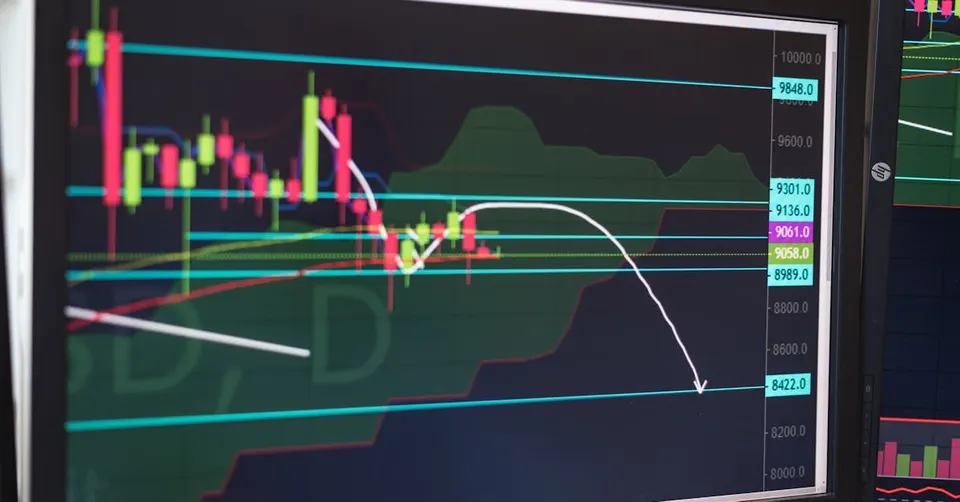
Bitcoin is currently caught in a complex geopolitical and economic crossfire. On one hand, institutional demand remains robust, with spot Bitcoin ETFs recording a massive $2 billion inflow over the past eight days. Companies like Metaplanet in Japan are doubling down, raising $50 million through zero-interest bonds specifically to accumulate more BTC. However, this bullish momentum is being checked by macroeconomic headwinds from Tokyo. Rising inflation in Japan has fueled expectations that the Bank of Japan (BOJ) will adopt a more hawkish stance, potentially raising interest rates.
In the local Iranian market, the currency remained stable at the 12:00 mark, with the USD selling at 154,050 Toman, showing 0.0% change over the last 24 hours. Gold, however, saw a slight cooling, with 18k gold dropping from 17,665,635 to 17,591,070 Toman (-0.4%). The global gold ounce price stands at a staggering $4,688.40, reflecting the deep-seated anxiety over the Iran-U.S. conflict. For crypto investors, the 'Japan factor' is a reminder that Bitcoin is no longer just a hedge against the U.S. Dollar; it is now intricately linked to the global liquidity cycle, where even a shift in Japanese monetary policy can stall a record-breaking rally.
Frequently Asked Questions
Why did Trump extend the Lebanon ceasefire instead of escalating?
What is causing Meta's massive layoffs despite its AI success?
How does Japanese inflation affect the price of Bitcoin?
Understanding Exchange Rate Regimes: Fixed, Floating, and Managed Currencies
An exchange rate regime is the set of rules a country follows to manage its currency’s value against foreign currencies. The three broad categories are fixed (or pegged) rates, where a government commits to keep its currency at a set level relative to another currency or basket; floating rates, where market forces of supply and demand determine the price; and managed (or dirty‑float) systems, which blend the two by allowing market movements but intervening occasionally to smooth volatility.
Fixed regimes can provide stability for trade and investment, especially in economies that depend heavily on imports or have a history of inflation. However, maintaining a peg often requires large foreign‑exchange reserves and can force a country to adopt monetary policies that may not suit its domestic conditions. The classic example is the Argentine peso’s peg to the US dollar in the 1990s, which eventually collapsed under fiscal strain.
Floating regimes give a central bank more autonomy to pursue domestic goals such as controlling inflation or stimulating growth. The price of the currency reflects real‑time expectations about interest rates, economic performance, and geopolitical risk. Yet volatility can be a downside for exporters and importers, prompting many nations to intervene lightly—selling or buying foreign currency—to dampen sharp swings.
Managed floats strike a balance: the market sets the baseline, but the central bank steps in when movements threaten financial stability or contradict policy objectives. Countries like India and Brazil have used this approach, adjusting the exchange rate within a pre‑announced band while still allowing market forces to play a role.
For readers tracking the USD/IRR (Iranian rial) rate, gold prices in toman, or the impact of sanctions on Iran’s foreign‑exchange reserves, understanding the underlying regime clarifies why rates can shift dramatically overnight and what policy tools might be employed to stabilize the market.