Trump’s Hormuz 'Shoot-to-Kill' Order and the $4,600 Gold Crisis: A World on the Edge
فرمان «شلیک مرگبار» ترامپ در هرمز و بحران طلای ۴۶۰۰ دلاری؛ جهان در آستانه انفجار
President Trump escalates tensions in the Strait of Hormuz with lethal force orders while threatening the UK with massive tariffs. Meanwhile, global gold prices hit staggering records, forcing a shift in physical markets as Meta slashes its workforce to fund an aggressive AI pivot.
At time of publishing
USD
154,050
Toman
Gold 18K
17.58M
Toman / gram
The Hormuz Ultimatum: Trump Claims 'Total Control'
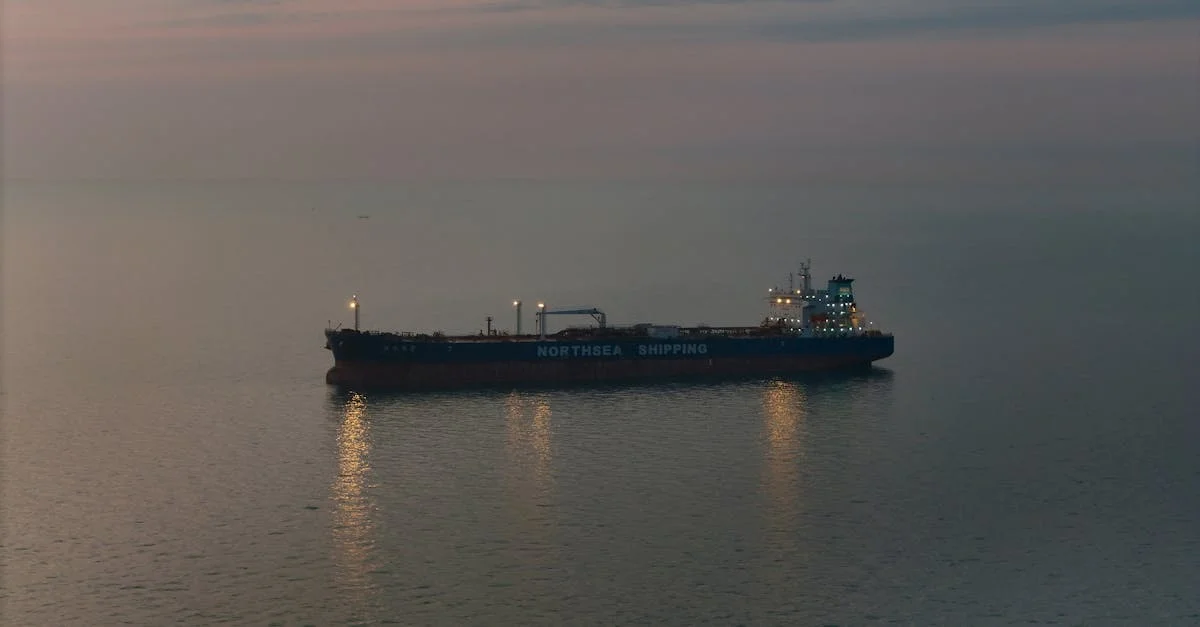
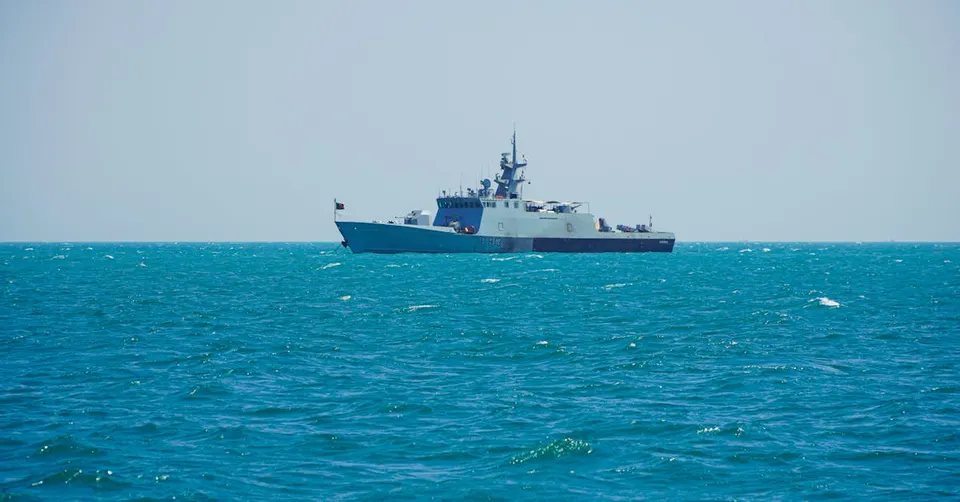
President Donald Trump has dramatically escalated the naval standoff in the Persian Gulf, issuing a direct 'shoot-to-kill' order to the U.S. Navy regarding any vessels caught laying mines in the Strait of Hormuz. This directive comes on the heels of Iran’s recent seizure of two container ships, a move that has sent shockwaves through global shipping insurance markets. Trump’s rhetoric has shifted from containment to absolute dominance, with the President claiming the United States now holds 'total control' over the world’s most vital oil chokepoint. While he announced a three-week extension of the Lebanon ceasefire, he explicitly stated that this should not be mistaken for a softening stance toward Tehran, suggesting that the pause in the north is merely a tactical realignment for the broader conflict.
This escalation is not just about maritime security; it is a signal to the global energy market. By threatening lethal force, the U.S. administration is attempting to deter asymmetric warfare tactics that have historically hampered naval operations in the region. However, critics argue that such aggressive ROE (Rules of Engagement) significantly increase the risk of an unintended full-scale war. For the average observer, this means energy prices are likely to remain volatile and highly sensitive to every patrol movement in the Gulf. The geopolitical premium on oil is now baked into every barrel, as the specter of a closed strait looms larger than it has in decades.
---
The 'Special Relationship' Frays Over Digital Taxes
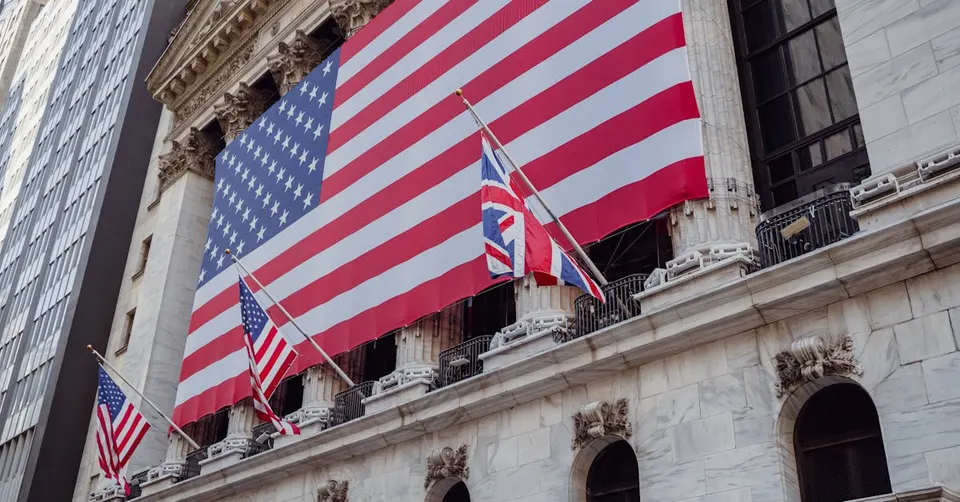
In a move that has stunned diplomatic circles in London, President Trump has threatened to impose massive tariffs on the United Kingdom unless the British government scraps its 2% digital services tax. The tax, which targets the revenues of American tech giants like Google and Meta, has been a point of contention for years, but Trump is now using unprecedented leverage to force a reversal. Reports suggest the White House is even reconsidering its diplomatic support for Britain’s claim to the Falkland Islands as a 'punishment' for the UK’s perceived lack of support for U.S. military objectives in the Middle East. This transactional approach to diplomacy marks a historic low in the so-called 'Special Relationship,' leaving the UK government in a precarious position between domestic fiscal policy and international trade survival.
Why does this matter? For the global economy, it signals that no alliance is immune to the 'America First' trade doctrine. If the UK is forced to capitulate, it sets a precedent for other European nations currently weighing similar digital taxes. For the British public, the potential of a 'big tariff' combined with rising fuel costs—which surged recently as motorists stocked up due to the Iran war—threatens a severe cost-of-living crisis. The Pentagon’s internal discussions about punishing NATO allies for their 'lack of support' further suggest that the economic and military spheres are becoming inextricably linked in Washington’s current strategy.
---
Meta’s AI Purge: One in Ten Jobs Lost
Meta has announced a sweeping layoff of 10% of its global workforce, a move that reflects the brutal reality of the current AI arms race. Despite spending billions on research and development, Mark Zuckerberg’s empire is under intense pressure to deliver tangible results from its DeepSeek-competitor models. These cuts, which employees had anticipated for weeks, are designed to lean out the organization and redirect every possible dollar toward high-end compute clusters and AI talent acquisition. The 'Year of Efficiency' has transitioned into a permanent state of restructuring, where human capital is being traded for artificial intelligence capabilities at an industrial scale.
This shift is a bellwether for the entire tech sector. It tells us that even the largest players are feeling the financial strain of the AI transition. As Meta pivots, it is abandoning many of its legacy social media projects to focus on 'AGI-ready' infrastructure. For the job market, this is a grim reminder that high-level technical skills are no longer a guarantee of safety if they don't align with the specific AI roadmap of the board. Investors, however, have largely cheered the move, viewing it as a necessary sacrifice to ensure Meta remains a dominant force in the next generation of the internet.
---
Market Pulse: Gold’s Unstoppable Ascent and Toman Stability
In the domestic Iranian market, the USD/IRR exchange rate has remained remarkably flat at 154,050 Toman, showing no change over the last 24 hours. This stability comes despite the massive geopolitical storm brewing outside Iran's borders. However, the gold market tells a different story. While 18k gold in Tehran saw a slight dip of -0.5%, falling from 17,665,635 to 17,578,373 Toman per gram, the global price of gold has reached a staggering $4,686.30 per ounce. This astronomical figure has made pure gold virtually unaffordable for the middle class in many parts of the world, particularly in South Asia where brides are now turning to 'one-gram' gold-plated substitutes for traditional wedding jewelry.

The divergence between the global gold surge and the localized dip in Toman-denominated gold suggests a complex interplay of local demand and central bank intervention. As the U.S. government sits on a $26.5 billion gain from its Intel stake, the broader market is looking for hedges against the uncertainty of the Iran war. Gold remains the ultimate safe haven, but at nearly $4,700 an ounce, it is becoming a 'rich man’s hedge,' leaving ordinary savers to look for alternatives in the digital asset space or imitation physical assets. The current pricing reflects a world that expects prolonged conflict and systemic inflation.
Watch
Trump: We Have 'Total Control' of the Strait of Hormuz | Balance of Power 04/23/2026
Bloomberg Television
Frequently Asked Questions
Why did Trump issue a 'shoot-to-kill' order in the Strait of Hormuz?
How is the U.S. using the Falkland Islands as leverage against the UK?
Why is global gold at $4,686 while local Iranian gold prices dropped slightly?
Understanding the Strategic Importance of the Strait of Hormuz
The Strait of Hormuz, a narrow waterway between Iran and Oman, is one of the world’s most critical maritime chokepoints. Roughly 20% of global petroleum consumption—about 21 million barrels per day—passes through this 21‑mile-wide channel, making it a vital artery for oil‑producing nations in the Middle East and for energy‑importing economies worldwide. Because the strait is so narrow, any disruption—whether from military confrontation, piracy, or a navigational accident—can instantly tighten global oil supplies and trigger sharp price spikes.
Geopolitical tensions amplify the strait’s risk profile. When regional powers threaten to close or block the passage, markets react not only to the immediate loss of supply but also to the heightened uncertainty about future access. This “geopolitical risk premium” is baked into oil futures, insurance premiums for shipping, and even the pricing of unrelated commodities like gold, which investors often buy as a safe haven during periods of heightened tension. The 2024‑2025 surge in gold prices, for example, was partly driven by fears that a conflict in Hormuz could choke off oil, prompting a rush into assets perceived as store‑of‑value.
The economic impact extends beyond energy markets. Countries that rely heavily on oil imports—such as India, Japan, and many European states—face higher transportation costs, which can feed into inflation and affect monetary policy decisions. Conversely, oil‑exporting nations see windfall revenues when prices rise, but they also risk retaliatory sanctions or military escalation. The delicate balance makes the strait a focal point for diplomatic negotiations, naval patrols, and international law discussions about freedom of navigation.
Understanding the strait’s strategic role helps explain why seemingly unrelated events—like U.S. tariffs, digital services taxes, or AI‑related layoffs—can reverberate through the global economy. All of these factors influence investor confidence, currency valuations (including the USD/IRR rate), and the broader risk environment that shapes commodity markets in 2026 and beyond. Recognizing the interconnectedness of geopolitics and economics is essential for anyone tracking global financial stability.