Iran Blockade Tightens, AI Chip Wars Intensify, Falklands Sovereignty Questioned
تشدید محاصره ایران، تشدید جنگ تراشههای هوش مصنوعی، حاکمیت جزایر فالکلند زیر سوال رفت
The US naval blockade of Iran's ports continues with no end in sight, impacting global trade routes and fueling regional tensions. Meanwhile, the AI chip market is witnessing a new front open as Meta and Amazon forge a significant partnership, challenging existing giants. Adding to geopolitical complexities, a leaked report suggests the US may reconsider its stance on the Falkland Islands' sovereignty.
At time of publishing
USD
154,050
Toman
Gold 18K
17.66M
Toman / gram
US Tightens Hormuz Blockade, Iran Seeks Land Routes
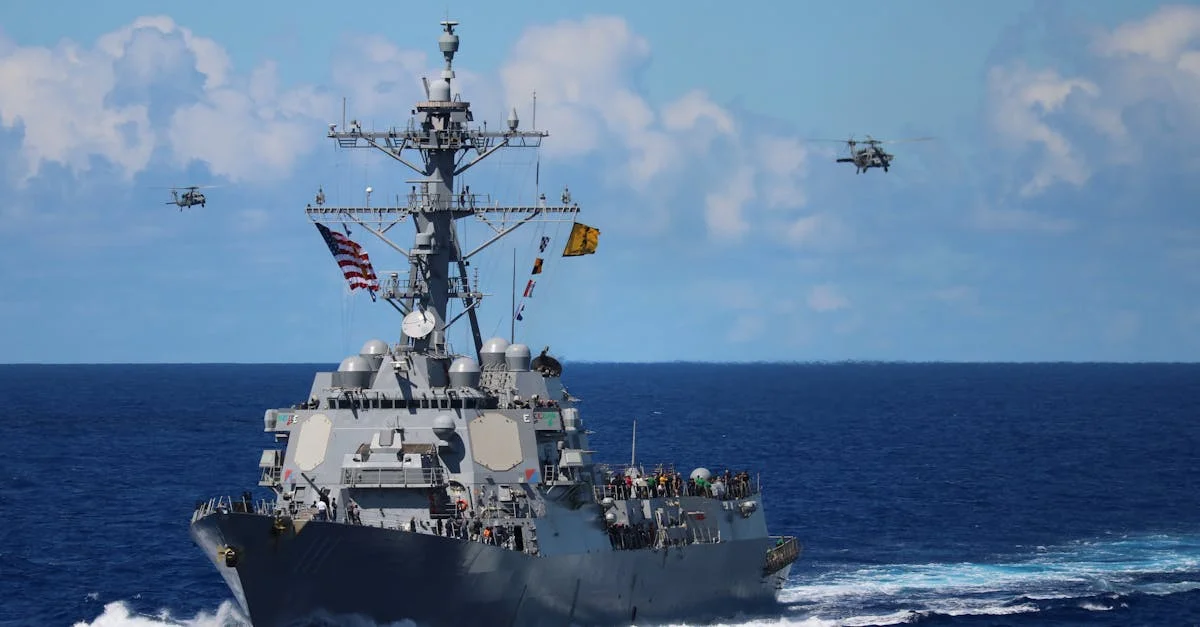
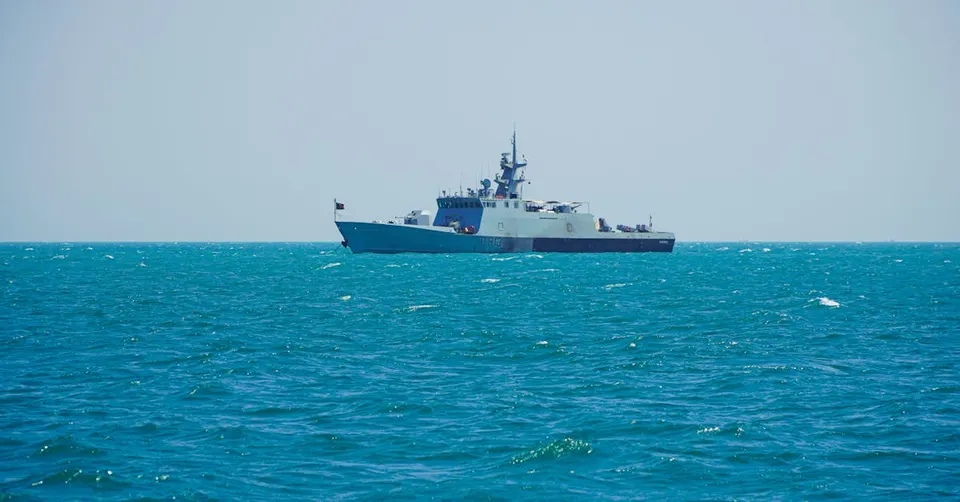
The United States continues its stringent blockade of Iranian ports, with Defense Secretary Pete Hegseth stating that the operation will persist "as long as it takes." U.S. forces have reportedly intercepted 34 vessels since President Trump's order, aiming to cripple Iran's maritime capabilities. This aggressive stance is creating significant ripple effects across global supply chains, particularly for oil and gas. Iran, in response, is actively exploring alternative land-based transit routes for its stranded sea cargo, as detailed in documents obtained by Al Jazeera, in an effort to circumvent the US blockade.
This ongoing naval pressure is not only a strategic move against Iran but also a clear signal to other nations regarding US resolve in the region. The economic implications are substantial, with potential disruptions to shipping and increased insurance costs for vessels traversing the Persian Gulf. The question of how long Iran can withstand such pressure, and conversely, how long the US can maintain this blockade without escalating tensions further, remains a critical point of analysis for global markets and geopolitical observers alike. The situation highlights the fragility of international trade routes when subjected to geopolitical conflict.
---
Meta and Amazon Forge AI Chip Alliance, Shifting Market Dynamics
In a significant development within the rapidly evolving AI landscape, Meta has announced a substantial deal to acquire millions of Amazon's internally developed AI CPUs. This move signals a new era in the competition for specialized chips, moving beyond the traditional dominance of GPUs. Meta's strategic decision to leverage Amazon's custom silicon for its agentic AI workloads indicates a growing demand for tailored processing power that can efficiently handle complex AI tasks, moving beyond general-purpose computing.
The partnership between two tech behemoths underscores the immense investment and innovation occurring in the AI hardware sector. It suggests a potential shift away from reliance on a few dominant chip manufacturers towards a more diversified ecosystem of custom-designed processors. This alliance could have far-reaching implications for the AI chip market, potentially spurring further innovation, driving down costs through increased competition, and enabling more specialized AI applications. The move also highlights Meta's aggressive push into AI development and its strategy to secure critical hardware resources.

---
Falkland Islands Sovereignty Under Scrutiny Amidst Leaked Report
Downing Street has firmly asserted that the sovereignty of the Falkland Islands rests unequivocally with the United Kingdom, following reports of a leaked Pentagon document suggesting a potential US review of its position. This alleged reconsideration by the US is reportedly linked to the UK's perceived lack of support during the recent Iran war. The UK government's spokesperson reiterated that the British stance on the islands is a "longstanding" and "unchanged" one, emphasizing its commitment to the territory.
This revelation adds another layer of complexity to the geopolitical landscape, particularly concerning the long-standing dispute between the UK and Argentina over the Falklands. The suggestion that a key ally like the US might reassess its support based on contributions to a specific conflict raises questions about the nature of bilateral defense commitments and alliances. It also underscores the sensitive diplomatic environment surrounding the ongoing Iran crisis and its broader impact on international relations and territorial disputes.

Watch
Iran says it has closed Strait of Hormuz again over US blockade
AP Archive
Frequently Asked Questions
What is the current status of the US blockade on Iranian ports?
How is Iran responding to the US blockade?
What is the significance of the Meta and Amazon AI chip deal?
Why is the sovereignty of the Falkland Islands being discussed again?
What is the broader geopolitical impact of these events?
Geopolitical Chokepoints: Gates of Global Trade and Power
Geopolitical chokepoints are narrow passages, typically maritime straits or canals, that are strategically vital for global trade, energy supply, and military movements. Their geographic constriction means that a significant volume of traffic must pass through a limited space, making them highly vulnerable to disruption. The Strait of Hormuz, mentioned in the headline, is arguably the most critical maritime chokepoint in the world, funneling a substantial portion of the world's oil and liquefied natural gas (LNG) exports from the Middle East to global markets. Its strategic importance has historically made it a flashpoint for international tensions and potential conflict.
The importance of chokepoints stems from their dual role as enablers and potential bottlenecks. For global commerce, they facilitate efficient transportation, reducing transit times and costs. However, this efficiency comes with inherent risks. Any blockage, whether due to political instability, military conflict, piracy, or even natural disaster, can have cascading effects on global supply chains, energy prices, and economic stability. Nations and alliances often invest heavily in securing these routes or developing alternative ones, understanding that control or even the credible threat of disruption can be a powerful geopolitical lever.
Understanding these critical junctures is essential for comprehending international trade dynamics, military strategy, and the potential flashpoints of future geopolitical competition. For instance, the Strait of Hormuz's vulnerability allows Iran to project influence over global energy markets, a factor that plays into the “Iran blockade” scenario. As global interdependencies grow, the strategic significance of these narrow gates only intensifies, making their security a paramount concern for all nations involved in global trade and energy consumption.