Hormuz Blockade Bites, EU Seeks Defense Pact, Spyware Tactics Evolve
محاصره هرمز فشار می آورد، اتحادیه اروپا به دنبال پیمان دفاعی، تاکتیک های جاسوسی سایبری تکامل می یابد
The ongoing blockade of Iranian ports by US forces continues to impact global shipping, prompting the EU to accelerate plans for a mutual defense pact. Meanwhile, new reports reveal sophisticated spyware distribution methods, highlighting evolving threats in the digital realm.
At time of publishing
USD
154,050
Toman
Gold 18K
17.74M
Toman / gram
US Tightens Hormuz Blockade, EU Seeks Defense Solidarity
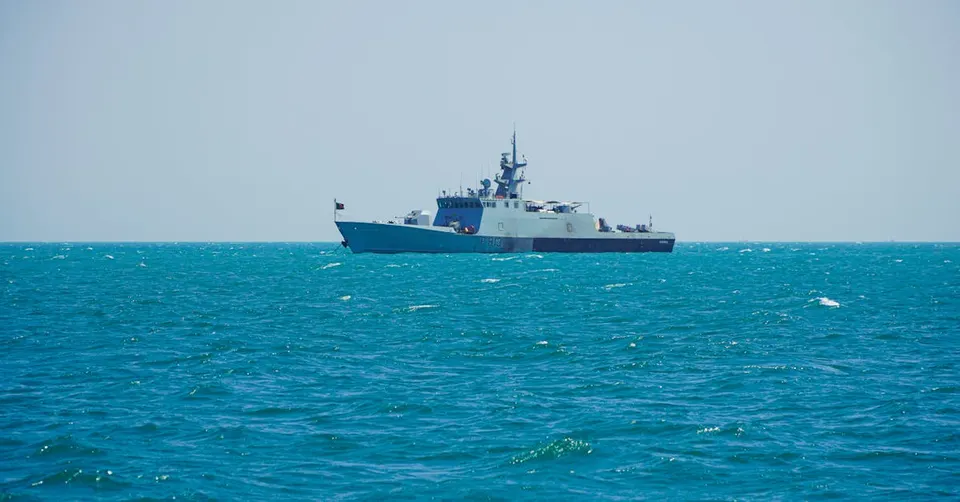
US Defense Secretary Pete Hegseth has reiterated that the blockade of Iranian ports will persist "as long as it takes," underscoring the administration's commitment to its strategy amidst escalating regional tensions. US forces have reportedly interdicted 34 vessels since President Trump's order, aiming to disrupt Iranian maritime operations. This sustained pressure on key shipping lanes, particularly in the Strait of Hormuz, continues to create ripple effects across global trade and energy markets. The rationale behind this prolonged blockade appears to be a multi-faceted approach, combining economic strangulation with a demonstration of military resolve, intended to compel Iran back to the negotiating table.
In response to the volatile geopolitical climate and President Trump's continued criticism of NATO, European Union leaders are prioritizing the development of a mutual assistance pact. This initiative aims to bolster European defense capabilities and ensure collective security in the event of an attack, independent of existing alliances. EU officials are preparing a blueprint for how the bloc would respond if its mutual assistance clause is triggered. This move signifies a growing desire for strategic autonomy within Europe, driven by the perceived unreliability of traditional security guarantees and the need for a more cohesive European defense posture in an increasingly unpredictable world. The EU's push for self-reliance in defense could reshape continental security architecture.
---
Evolving Spyware Tactics Raise Digital Security Concerns
Researchers have uncovered a new and concerning method employed by spyware vendors, involving the distribution of fake Android applications designed to ensnarl unsuspecting targets. These counterfeit apps, often masquerading as legitimate tools, are allegedly used by government entities to secretly install sophisticated surveillance software onto individuals' devices. This discovery highlights a disturbing trend where the lines between legitimate app stores and malicious distribution channels are increasingly blurred, making it more difficult for users to discern safe applications from those designed for espionage.
The implications of such tactics are profound for digital privacy and security worldwide. The proliferation of government-backed spyware, delivered through deceptive means, poses a significant threat to journalists, activists, and ordinary citizens alike. The fact that the company involved was previously unknown for selling such software suggests a potentially expanding and clandestine market for surveillance technology. This development necessitates a renewed focus on cybersecurity education, enhanced detection mechanisms by app stores, and stronger regulatory oversight to curb the spread of such invasive technologies and protect fundamental privacy rights.

---
EU Mulls Digital Tax Tariffs Amidst US Trade Tensions
President Trump has issued a stern warning to the United Kingdom, threatening to impose significant tariffs on British goods if the UK does not abandon its digital services tax. This tax, levied at 2% on the revenues of major US tech giants, is viewed by the US administration as an attempt by Britain to unfairly profit from American technology firms. The threat of tariffs escalates ongoing trade disputes between the two allies, adding another layer of complexity to their economic relationship.
The US stance suggests a broader pattern of challenging international digital taxation frameworks that it perceives as disadvantageous to its own companies. This trade friction could have tangible consequences for British businesses reliant on exports to the United States, potentially leading to increased costs for consumers and reduced competitiveness. The situation underscores the growing challenges in harmonizing global tax policies in the digital age and highlights the potential for unilateral trade actions when consensus cannot be reached, creating uncertainty for international commerce.

Watch
Iran War Day 55 – Global Prices Explode as Blockade Chokes
PGurus
Frequently Asked Questions
What is the current status of the US blockade on Iranian ports?
Why is the EU developing a mutual assistance pact?
What are the new concerns regarding spyware?
What is the US trade dispute with the UK about?
Are Iran Air's international flights resuming?
The Strategic Importance of the Strait of Hormuz
The Strait of Hormuz is a narrow waterway—about 21 miles (34 km) wide at its narrowest point—linking the Persian Gulf with the Gulf of Oman and the open ocean. Despite its size, it serves as a global oil chokepoint: roughly 20%–25% of the world’s petroleum passes through the strait each day, including crude from Saudi Arabia, Iraq, Kuwait, and the United Arab Emirates. Because the flow of energy supplies is so concentrated, any disruption can instantly reverberate through international markets, raising oil prices and prompting swift diplomatic responses.
Historically, the strait has been a flashpoint for regional power struggles. Iran, which controls the northern shore, has repeatedly threatened to close the passage in retaliation to sanctions or perceived aggression, while the United States and its allies conduct regular naval patrols to ensure freedom of navigation. The 2019 “Hormuz blockade” incident—when Iran seized a commercial tanker—illustrated how quickly a single event can trigger heightened naval activity, insurance spikes, and rerouting of cargo ships around the longer Cape of Good Hope route.
From a legal perspective, the strait falls under the United Nations Convention on the Law of the Sea (UNCLOS) principle of transit passage, which guarantees the right of all ships and aircraft to navigate through international straits without hindrance. However, the enforcement of this right depends on the willingness of regional powers to respect it, and any perceived violation can lead to escalatory cycles involving sanctions, cyber‑espionage, or even kinetic military actions.
Understanding the strategic calculus of the Strait of Hormuz helps explain why the EU is keen on bolstering its own defense capabilities and why cybersecurity threats—such as state‑sponsored spyware targeting maritime communications—are increasingly viewed as extensions of traditional geopolitical pressure. In short, control over this narrow channel translates directly into leverage over global energy security and, by extension, the broader world economy.