Hormuz Blockade Continues, Meta & Microsoft Cut Staff for AI, EU Mulls NATO Alternatives
محاصره هرمز ادامه دارد، متا و مایکروسافت برای هوش مصنوعی نیرو کم میکنند، اتحادیه اروپا جایگزین ناتو را بررسی میکند
The US naval blockade in the Strait of Hormuz shows no sign of easing, with Defense Secretary Hegseth stating it will continue indefinitely. Meanwhile, tech giants Meta and Microsoft are undergoing significant layoffs as they pivot their resources towards AI development, signaling a major shift in the industry. In Europe, discussions are intensifying regarding alternative security frameworks to NATO.
At time of publishing
USD
154,050
Toman
Gold 18K
17.63M
Toman / gram
US Tightens Hormuz Grip Amidst Ongoing Blockade
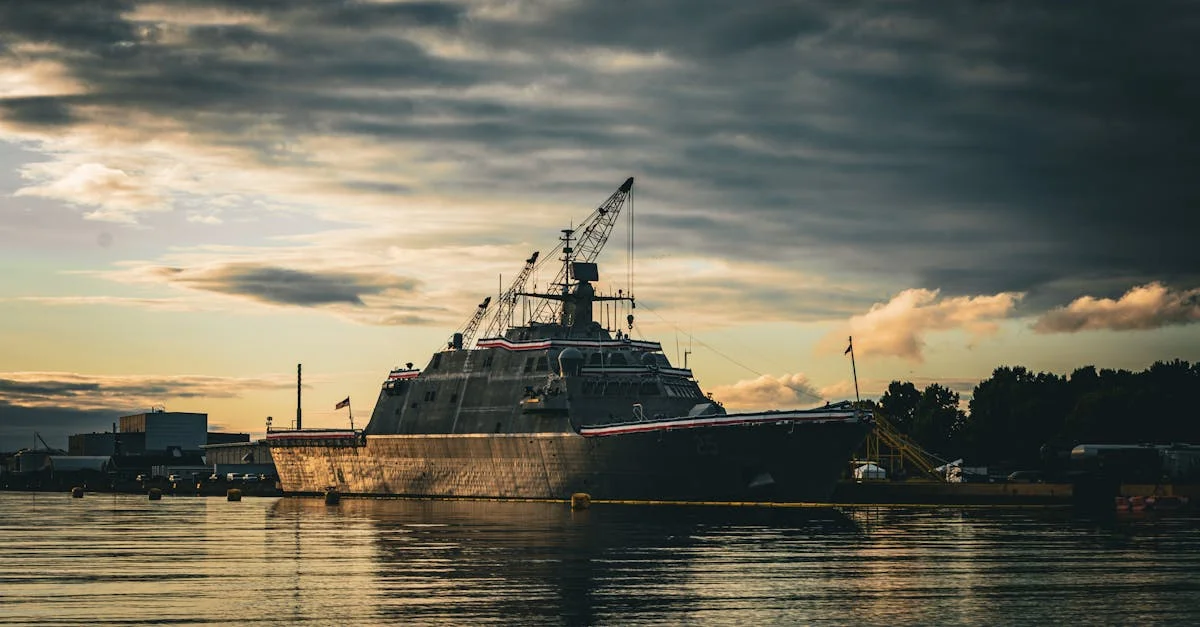
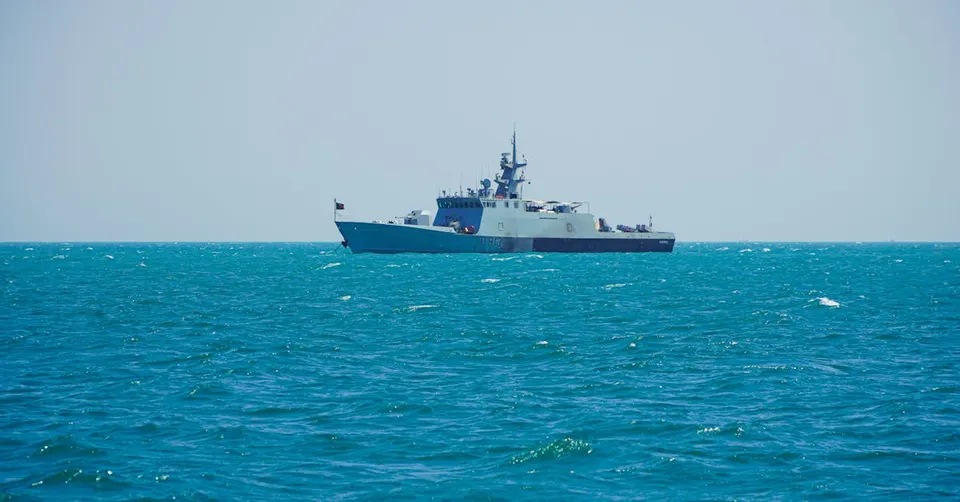
Defense Secretary Pete Hegseth has reiterated the United States' commitment to maintaining the naval blockade in the Strait of Hormuz, stating that it will persist "as long as it takes." This firm stance comes as US forces have reportedly intercepted 34 vessels since President Trump's order to "shoot and kill" any boats laying mines in the crucial waterway. Iran has made the lifting of this blockade a prerequisite for resuming talks aimed at ending the ongoing conflict. The continued pressure on maritime traffic highlights the strategic importance of the Strait and the US determination to control its flow, even as diplomatic channels remain fraught with tension.
This prolonged blockade has significant implications for global energy markets and regional stability. The disruption of shipping routes not only affects oil and gas supplies but also impacts broader trade and economic activity. While the US frames its actions as necessary for security and de-escalation, Iran views it as an act of aggression, further complicating efforts to find a diplomatic resolution. The world watches to see how long this high-stakes standoff can be sustained without escalating into a wider confrontation, with many nations dependent on the unimpeded passage through Hormuz.
---
Tech Giants Pivot: Meta and Microsoft Announce Major AI-Focused Layoffs
In a significant industry-wide shift, both Meta and Microsoft are implementing substantial workforce reductions, explicitly linking these cuts to a strategic redirection of resources towards artificial intelligence development. Meta plans to lay off 10% of its global staff, with CEO Mark Zuckerberg having previously indicated that AI advancements were making certain hiring roles redundant. Similarly, Microsoft is offering early retirement to 7% of its US workforce, with AI chief Mustafa Suleyman having expressed beliefs that AI will eventually replace a significant portion of white-collar jobs.
This aggressive pivot underscores the burgeoning importance of AI in the tech landscape. Companies are reallocating capital and talent to gain a competitive edge in this rapidly evolving field. The substantial investments in AI infrastructure, such as Meta's recent deal for millions of Amazon AI CPUs, signal a new era of chip development and utilization focused on agentic workloads. This move away from traditional workforce models towards AI integration is likely to reshape the future of work and the structure of the tech industry itself, prioritizing innovation in AI over established operational roles.
---
EU Explores Security Alternatives Beyond NATO
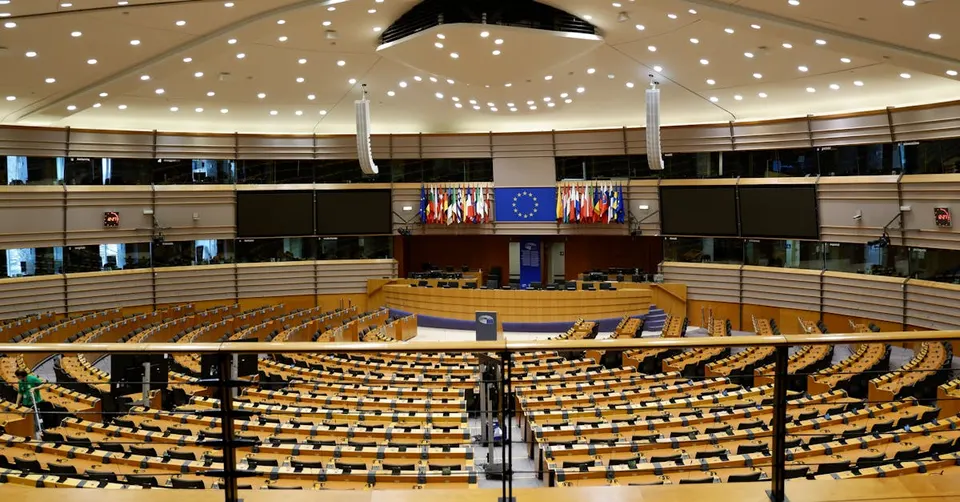
Amidst evolving geopolitical landscapes and questions surrounding the future of traditional alliances, European Union nations are actively exploring security frameworks that could complement or potentially serve as alternatives to NATO. This exploration is partly fueled by a desire for greater strategic autonomy and a response to perceived shifts in global power dynamics. The EU's foreign chief, Kaja Kallas, has emphasized the need for talks with Iran to include nuclear experts, suggesting a broader diplomatic approach that extends beyond immediate military concerns.
Recent reports, including a leaked Pentagon document, have even hinted at the US potentially reviewing its stance on the UK's claim to the Falkland Islands due to the UK's perceived lack of support in the ongoing conflict with Iran. While Downing Street has firmly stated that the sovereignty of the Falklands rests with the UK, such reports underscore a growing undercurrent of strategic re-evaluation among allies. The European Union's internal discussions about strengthening its own defense capabilities and exploring collective security arrangements reflect a broader trend of nations seeking to solidify their positions in a complex and uncertain global environment.
Watch
Iran War Day 55 – Global Prices Explode as Blockade Chokes
PGurus
Frequently Asked Questions
How long is the US blockade in the Strait of Hormuz expected to last?
Why are Meta and Microsoft laying off employees?
What are the implications of the EU exploring security alternatives to NATO?
How is the Hormuz blockade impacting global markets?
What is the significance of Meta acquiring Amazon AI CPUs?
Strategic Chokepoints: The Strait of Hormuz and Global Trade
A strategic chokepoint is a narrow geographic passage—such as a strait, canal, or bridge—through which a disproportionate share of global trade must flow. Because the route is limited, any disruption can quickly ripple through world markets, affecting everything from oil prices to supply‑chain reliability. The Strait of Hormuz, a 21‑mile-wide waterway between Iran and Oman, exemplifies this concept: roughly 20% of the world’s petroleum and 15% of liquefied natural gas transits the strait each day.
When a state or non‑state actor blocks or threatens a chokepoint, the impact is twofold. Economically, shipping companies may reroute vessels around longer, more expensive paths, raising freight costs and potentially spiking commodity prices. Politically, the threat can be wielded as leverage in diplomatic negotiations, as seen in past Iranian threats to close the strait during heightened tensions with the United States. Navies, particularly the U.S. Fifth Fleet, maintain a constant presence to ensure freedom of navigation and to deter hostile actions.
The broader strategic importance of chokepoints extends beyond oil. They are critical nodes for global supply chains, influencing the flow of raw materials, consumer goods, and even food. Disruptions can trigger cascading effects, prompting governments and firms to diversify routes, stockpile essential commodities, or invest in alternative energy sources. Understanding chokepoints helps explain why nations invest heavily in maritime security and why international law, such as the United Nations Convention on the Law of the Sea (UNCLOS), emphasizes the right of innocent passage.
In recent years, the Hormuz situation has resurfaced alongside other geopolitical flashpoints, reminding policymakers that the stability of a single narrow waterway can shape global economic stability. Monitoring chokepoints, therefore, is not just a matter of naval strategy—it is a key indicator of potential shocks to the world economy.