Hormuz Tensions Simmer, Tesla Cybercab Production Begins Cautiously, EU Mulls Post-NATO Defense
تنش در تنگه هرمز، تولید سایبرکب تسلا با احتیاط آغاز شد، اتحادیه اروپا در حال بررسی دفاع پس از ناتو
The Strait of Hormuz remains a flashpoint as the US Navy is authorized to target Iranian fast boats, while Tesla's Cybercab production starts with cautious optimism. Meanwhile, European nations are exploring defense strategies independent of NATO, signaling a potential shift in global security dynamics.
At time of publishing
USD
154,050
Toman
Gold 18K
17.73M
Toman / gram
US Navy Authorized to Target Iranian Fast Boats in Hormuz
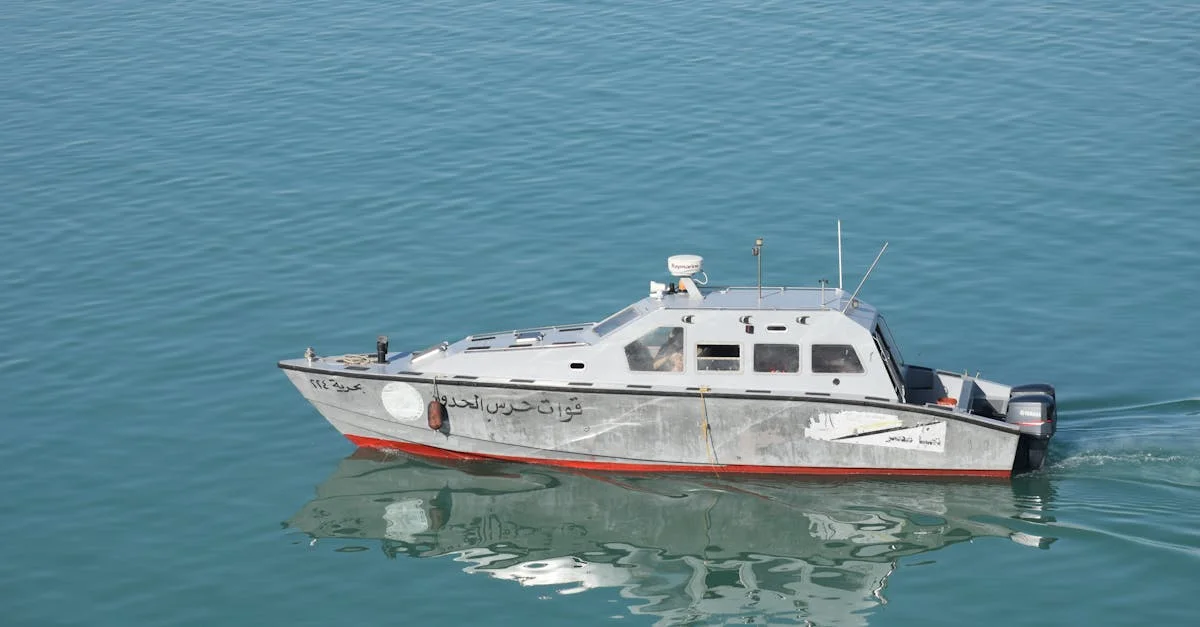
Defense Secretary Pete Hegseth announced that President Trump has authorized the US Navy to target Iranian fast boats operating in the Strait of Hormuz. This escalation comes amidst ongoing tensions and a continued US blockade of Iranian ports, which Iran has made a condition for resuming talks to end the war. Hegseth stated that US forces have already intercepted 34 vessels since the order was initially imposed, underscoring the heightened risk of direct confrontation in this critical global shipping lane.
The decision to authorize targeting fast boats signifies a more aggressive stance by the US, moving beyond mere interdiction to direct engagement. This action is likely intended to deter further Iranian naval provocations and to reinforce the effectiveness of the blockade. However, it significantly increases the potential for miscalculation and immediate escalation, potentially drawing regional and global powers further into the conflict. The implications for global oil prices and shipping insurance remain acute, even as retail sales in Great Britain saw a modest rise in March, partly attributed to motorists stocking up on fuel amid fears of supply disruptions.
---
Tesla Cybercab Production Starts Amidst Musk's Caution
Tesla has officially begun production of its much-anticipated Cybercab robotaxi at its Gigafactory in Austin, Texas. The company shared a video showcasing a steering wheel-less Cybercab driving out of the factory, signaling a significant milestone. However, CEO Elon Musk has adopted an unusually cautious tone regarding the rollout, suggesting a measured approach to bringing the revolutionary vehicle to market. This contrasts with Tesla's typical rapid-launch strategy and hints at potential complexities or unforeseen challenges in scaling autonomous taxi services.
Musk's measured approach might stem from the immense technical hurdles and regulatory scrutiny associated with fully autonomous vehicles. The Cybercab represents a leap towards widespread robotaxi deployment, a concept that promises to reshape urban transportation but also raises profound questions about safety, infrastructure, and public acceptance. While production has commenced, the actual public availability and operational scale remain uncertain, with Tesla seemingly prioritizing a deliberate, step-by-step integration rather than an immediate, large-scale deployment.
---
EU Explores Defense Autonomy Beyond NATO
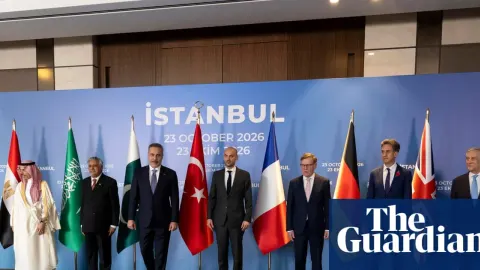
European Union nations are actively exploring pathways to enhance their collective defense capabilities independently of NATO. This exploration is driven by a recognition that the existing security architecture may not always align with the diverse interests and perceived threats faced by member states, particularly in light of evolving geopolitical landscapes and potential shifts in US foreign policy commitments. The EU's foreign chief emphasized that any future talks with Iran regarding its nuclear program must include nuclear experts to ensure effective and safe agreements, highlighting the broader security concerns influencing the bloc.
This strategic pivot towards greater defense autonomy involves reassessing the EU's treaty obligations and operational frameworks. While not a direct replacement for NATO, these efforts aim to build a more robust European defense identity capable of responding to regional crises and safeguarding common interests. The discussions range from joint procurement of military equipment to coordinated crisis response mechanisms, reflecting a desire for greater strategic flexibility. The ongoing tensions in the Strait of Hormuz and the broader conflict dynamics involving Iran serve as a stark reminder of the need for coherent and effective security strategies that can adapt to a volatile global environment.
Watch
Iran War: Hormuz Stalemate Lifts Oil for a 5th Day | The Opening Trade 4/24/2026
Bloomberg Television
Frequently Asked Questions
What is the current status of tensions in the Strait of Hormuz?
Has Tesla's Cybercab officially launched for public use?
Why are European nations exploring defense strategies independent of NATO?
What is Iran's condition for resuming talks to end the war?
How does the current Hormuz situation differ from the 1980s Tanker War?
Why the Strait of Hormuz Is a Global Energy Chokepoint
The Strait of Hormuz, a narrow waterway between Oman and Iran, is one of the world’s most critical maritime chokepoints. About 20% of global oil consumption—roughly 21 million barrels per day—passes through this 21‑mile‑wide channel, making any disruption a potential shock to international energy markets. Its strategic importance explains why the U.S. Navy maintains a constant presence and why Iran’s threats to close the strait draw swift diplomatic and military responses.
Geographically, the strait connects the Persian Gulf with the Gulf of Oman and the broader Arabian Sea. Because the Gulf’s oil‑producing nations (Saudi Arabia, Iraq, Kuwait, United Arab Emirates, and Qatar) rely on sea transport to reach world markets, the strait functions as a bottleneck: ships cannot easily reroute without adding thousands of miles and significant time to voyages. This concentration of traffic also makes the waterway vulnerable to mines, small‑boat attacks, or missile strikes—tactics that have been employed in past confrontations.
The concept of a “chokepoint” is not limited to oil; it also applies to natural gas, bulk commodities, and even strategic military movements. Control—or the perception of control—over such passages can be leveraged in geopolitical negotiations. For instance, Iran has repeatedly threatened to block the strait during periods of heightened tension, using the threat as a bargaining chip in talks over sanctions and nuclear talks. Conversely, the United States and its allies conduct freedom‑of‑navigation operations to demonstrate that the waterway remains open to all commercial vessels.
Understanding the strait’s role helps explain why incidents there can trigger spikes in oil prices and why global powers invest heavily in naval capabilities in the region. It also underscores the interconnectedness of energy security and international diplomacy: a localized dispute can ripple through economies worldwide.
For deeper insight, explore the historical incidents, legal frameworks governing international straits, and the evolving security dynamics that shape the future of this vital corridor.