Hormuz Blockade Continues, US Drops Powell Probe, China Chases Driverless Future
ادامه انسداد هرمز، آمریکا از تحقیق بر پاول گذشت، چین به دنبال آینده بدون راننده
The Strait of Hormuz remains under a dual blockade by the US and Iran, with American forces stopping dozens of vessels. Meanwhile, the US Justice Department has dropped its probe into Federal Reserve Chair Jerome Powell, while China's auto industry accelerates its pursuit of driverless technology at the Beijing Auto Show.
At time of publishing
USD
154,050
Toman
Gold 18K
17.73M
Toman / gram
Dual Blockade Tightens Grip on Strait of Hormuz
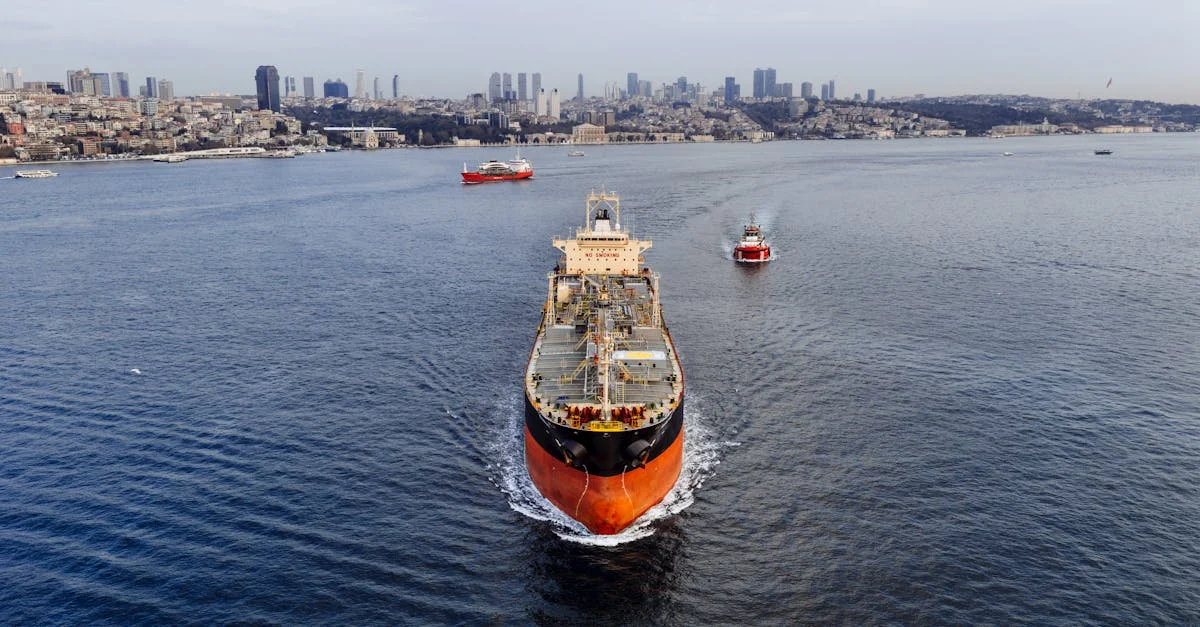
The Strait of Hormuz, a vital global oil chokepoint, remains under a stringent dual blockade, with both the United States and Iran asserting control. U.S. Defense Secretary Pete Hegseth stated that American forces have intercepted 34 vessels since President Trump's blockade order, emphasizing the operation will continue "as long as it takes." Iran, in turn, has made the lifting of its port blockades a prerequisite for resuming peace talks, escalating the standoff. This intensified maritime control has significant implications for global energy markets, potentially disrupting supply chains and driving up oil prices, as evidenced by the ongoing geopolitical tensions that have kept oil prices elevated.
This dual blockade signifies a dangerous escalation in the regional conflict, transforming the Strait of Hormuz into a critical flashpoint. The strategic importance of this narrow waterway, through which a significant portion of the world's oil passes, means any disruption has immediate and far-reaching economic consequences. The insistence of both sides on maintaining their blockades suggests a hardening of positions, making diplomatic solutions increasingly challenging. The international community, particularly nations heavily reliant on oil imports, will be closely monitoring the situation for any signs of de-escalation or further escalation, which could lead to significant economic instability.
The implications extend beyond immediate trade disruptions. The prolonged blockade could force nations to reassess their energy security strategies, potentially accelerating investments in alternative energy sources or diversifying supply routes. Furthermore, the ongoing military posturing in such a critical strategic location raises broader concerns about regional stability and the potential for miscalculation, which could have catastrophic consequences. The world watches nervously as this vital artery of global commerce remains under siege.
---
US Justice Department Drops Powell Probe, Paving Way for Successor
The U.S. Justice Department has officially dropped its criminal investigation into Federal Reserve Chair Jerome Powell. The probe, initiated by President Trump, had focused on alleged "improper cost overruns" related to renovations at the Federal Reserve's headquarters. The announcement, made on Friday, is widely seen as clearing the path for the confirmation of Kevin Warsh, President Trump's nominee to succeed Powell, although the timing has drawn criticism from some political figures.
Senator Elizabeth Warren, a prominent Democrat, characterized the dropped investigation as "bogus" and suggested it was designed solely "to clear the path" for Trump's preferred candidate, Kevin Warsh. This political maneuvering highlights the intense scrutiny and politicization surrounding the Federal Reserve's leadership, particularly during times of economic uncertainty and geopolitical stress. The Federal Reserve's independence is crucial for maintaining market confidence, and such investigations, regardless of their merit, can cast a shadow over its operations and decision-making processes.
The dropping of the probe means Powell can focus on managing monetary policy amidst escalating global tensions, while the focus shifts to Warsh's potential confirmation. The market reaction will be closely watched, as Warsh's economic philosophy and approach to monetary policy may differ significantly from Powell's, potentially leading to shifts in market expectations and investment strategies. The stability of the U.S. dollar and broader financial markets hinges on predictable and independent central bank leadership, making this a significant development.
---
China's Driverless Dream Accelerates at Beijing Auto Show
At the world's largest automotive exhibition in Beijing, China's car manufacturers are aggressively showcasing their advancements in artificial intelligence and autonomous driving technology. With domestic electric vehicle sales reaching saturation points, companies are pivoting towards technological innovation and international markets for growth. The Beijing Auto Show featured hundreds of manufacturers and thousands of vehicles, with a striking emphasis on vehicles where drivers were conspicuously absent, signaling a clear industry trajectory.
This push into AI-driven transportation is not merely about novelty; it represents a strategic shift for China's automotive sector. Manufacturers are investing heavily in research and development to capture a larger share of the global market for smart, connected, and ultimately, driverless vehicles. The rapid development and deployment of these technologies are expected to reshape urban mobility, logistics, and personal transportation, creating new economic opportunities and challenges.
The implications of China's pursuit of the driverless dream are profound. It challenges established automotive giants and presents a potential leapfrog opportunity for Chinese brands on the global stage. As these technologies mature, they could lead to increased efficiency, improved safety, and new service models, but also raise significant questions about regulatory frameworks, cybersecurity, and the societal impact of widespread automation in transportation. The world is watching to see if China can indeed chase and capture this driverless future.

Watch
Strait of Hormuz Crisis: Marine Traffic Drops As US Tightens Iran Blockade | Israel Iran War
DNAIndiaNews
Frequently Asked Questions
What is the current status of the Strait of Hormuz blockade?
Why did the US Justice Department drop its investigation into Jerome Powell?
What is the significance of China's advancements in driverless car technology?
What are the potential economic impacts of the Strait of Hormuz blockade?
What is the political context surrounding the dropped probe into Jerome Powell?
The Strategic Importance of the Strait of Hormuz
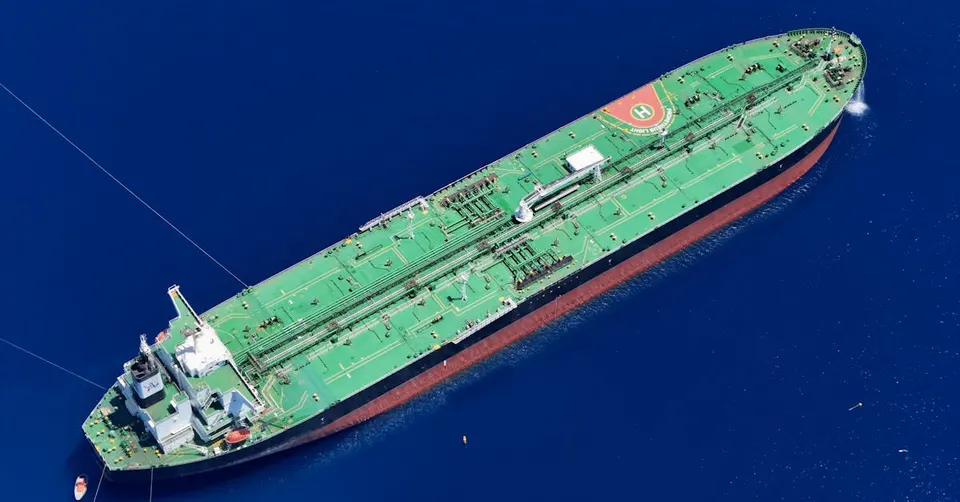
The Strait of Hormuz is a narrow waterway—about 21 miles (35 km) wide at its narrowest point—that connects the Persian Gulf with the Gulf of Oman and the open Indian Ocean. Despite its modest size, it serves as the world’s most critical chokepoint for oil transport, carrying roughly 20% of global petroleum liquids, including crude oil and condensates. Because the majority of the world’s oil‑exporting nations in the Gulf (Saudi Arabia, Iran, Iraq, Kuwait, and the United Arab Emirates) rely on this passage, any disruption can instantly ripple through global energy markets, affecting prices, trade balances, and even geopolitical stability.
Historically, the strait’s strategic value has made it a focal point of naval power projection. The United States maintains a continuous naval presence there, ready to escort commercial vessels and deter potential blockades. Iran, on the other hand, has repeatedly threatened to close the strait during periods of heightened tension, leveraging its fleet of fast attack craft, mines, and anti‑ship missiles. The 2019 attacks on oil tankers and the 2020 seizure of a British-flagged vessel underscored how quickly a localized conflict can threaten global supply chains.
Economically, the strait’s significance is measured not only in barrel counts but also in the cost of alternative routes. Rerouting a tanker around the Cape of Good Hope adds roughly 10‑12 days to a voyage and can increase fuel costs by up to $1 million per trip. This extra expense is ultimately passed on to consumers, raising gasoline and heating oil prices worldwide. Consequently, even the mere threat of a closure can trigger sharp spikes in oil futures, prompting central banks to adjust monetary policy in response to inflationary pressures.
In the broader security context, the strait illustrates the concept of “geopolitical chokepoints,” narrow passages whose control can confer outsized strategic leverage. Other examples include the Suez Canal, the Panama Canal, and the Malacca Strait. Nations that can ensure the free flow of commerce through these corridors gain diplomatic capital, while those that threaten them risk international sanctions and isolation.
Understanding the Strait of Hormuz’s role helps explain why headlines about blockades, naval deployments, and diplomatic negotiations dominate global news. It is a vivid reminder that geography still shapes economics and security in the 21st century.