Iran and U.S. Seek Peace Talks in Pakistan Amid Tense Hormuz Standoff
تلاش ایران و آمریکا برای مذاکرات صلح در پاکستان در میان تنشهای هرمز
As tensions in the Strait of Hormuz continue, key diplomatic moves are underway in Pakistan, involving high-profile U.S. and Iranian officials. Meanwhile, Google's massive investment in AI firm Anthropic highlights the escalating tech arms race.
At time of publishing
USD
154,050
Toman
Gold 18K
17.73M
Toman / gram
Iran and U.S. Seek Diplomacy as Hormuz Tensions Persist
In a bid to de-escalate the ongoing tensions in the Strait of Hormuz, key diplomatic figures from Iran and the United States are converging on Pakistan. Iranian Foreign Minister Abbas Araghchi is set to meet with U.S. envoy Steve Witkoff and Jared Kushner, the son-in-law of former President Trump, in Islamabad. These meetings come at a crucial time, as both nations have been engaged in a standoff over the strategic waterway, which is vital for global oil shipments.
The situation in the Strait of Hormuz remains highly volatile, with both countries attempting to assert control over this critical maritime passage. The presence of high-profile diplomats in Pakistan suggests a potential thaw in relations, or at least a willingness to explore diplomatic solutions to avert further conflict. The outcomes of these discussions could have significant implications not only for the region but also for global energy markets and geopolitical stability.

Google's $40 Billion Investment in AI Firm Anthropic
In the tech sector, Google has made headlines with its announcement of a colossal investment of up to $40 billion in the AI company Anthropic. This partnership is aimed at securing significant computing resources for Anthropic's advanced AI research, particularly its Mythos model, which focuses on cybersecurity. This move underscores the intensifying race among tech giants to develop cutting-edge AI technologies, a race that is increasingly defined by access to massive compute capacities.
Google's investment is a strategic play to bolster its position in the AI landscape, as companies vie for dominance in this transformative technology space. The Mythos model, which has already shown promise in cybersecurity applications, could benefit significantly from the resources provided by Google, potentially setting new standards in AI-driven security solutions. This development highlights the growing importance of AI in global tech strategies and its potential to reshape industries.

Kosovo Court Imposes Sentences Over Deadly 2023 Banjska Attack
Turning to Europe, a court in Kosovo has handed down sentences to three Serb separatists involved in the 2023 Banjska attack, a violent incident that resulted in the deaths of a police officer and three gunmen. The court's decision saw two of the accused receive life sentences, while a third was sentenced to 30 years in prison. This case has been closely watched as it underscores ongoing ethnic tensions in the Balkans.
The Banjska attack was a significant event in the region, drawing international attention to the fragile peace processes in place. The convictions are seen as a step toward justice and accountability, but they also highlight the persistent challenges of addressing ethnic violence in the region. International observers continue to emphasize the need for dialogue and reconciliation to prevent further escalations.

Samsung Faces Production Challenges Amid RAM Shortage
Samsung Electronics is grappling with potential production setbacks as labor protests threaten to exacerbate an already critical RAM shortage. This shortage, driven by surging demand from AI data centers, has been pushing up prices for consumer electronics, including smartphones and gaming consoles. The protests by Samsung employees, demanding better wages and removal of bonus caps, could disrupt production lines and further strain supply chains.
The RAM shortage is a significant concern for manufacturers worldwide, impacting not just Samsung but the broader tech industry. Any disruptions in Samsung’s production could ripple across the market, affecting availability and prices of tech products globally. This scenario highlights the delicate balance between labor rights and operational efficiency in the face of increasing market demands.

Watch
Iran US Talks - Iran US Strait of Hormuz Tensions Escalate | ARY News 8 AM Headlines | 24 April 2026
ARY News
Frequently Asked Questions
What is the significance of the Iran-U.S. talks in Pakistan?
How does Google's investment impact the AI industry?
What was the outcome of the Kosovo court ruling?
Why is Samsung facing production challenges?
What are the broader implications of the Hormuz standoff?
Why the Strait of Hormuz Matters: A Global Energy Chokepoint
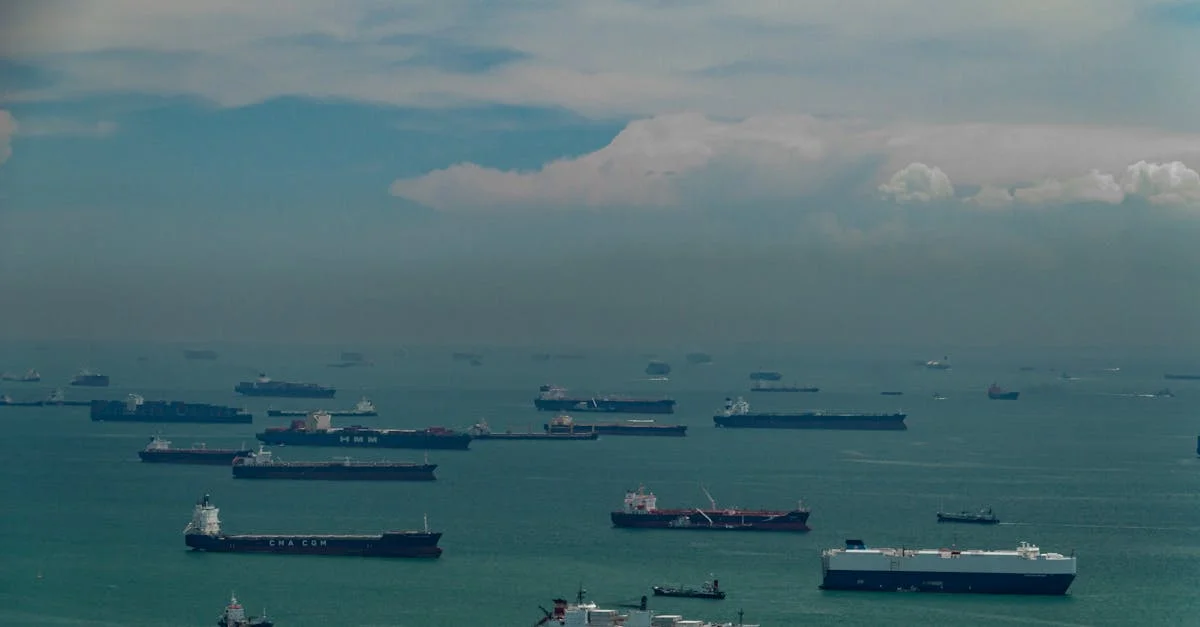
The Strait of Hormuz, a narrow waterway between Iran and Oman, is one of the world’s most critical maritime chokepoints. At roughly 21 miles (34 km) wide at its narrowest point, it funnels about 20% of global petroleum consumption—roughly 18 million barrels of oil per day—through its lanes. This concentration means that any disruption, whether from geopolitical tension, piracy, or accidents, can instantly reverberate through global energy markets, affecting fuel prices and economic stability worldwide.
Because the strait sits at the mouth of the Persian Gulf, it is the only sea route for oil exported from major producers such as Saudi Arabia, Iraq, Kuwait, and the United Arab Emirates. Nations that rely heavily on imported oil—particularly in Asia, Europe, and the United States—monitor Hormuz closely. When Iran and the United States exchange hostile rhetoric or conduct military maneuvers near the waterway, the risk premium on oil futures spikes, reflecting investors’ fears of supply shocks.
The strategic importance of Hormuz extends beyond oil. The passage also carries a substantial share of liquefied natural gas (LNG) and bulk commodities. Moreover, its location makes it a focal point for broader geopolitical contests: regional rivalries, U.S. naval presence, and Iran’s leverage over its maritime traffic. The 2019 incident where Iran threatened to close the strait after a U.S. drone shoot‑down illustrated how quickly diplomatic disputes can translate into economic pressure.
Understanding the strait’s role helps explain why diplomatic initiatives—like the recent Iran‑U.S. talks in Pakistan—are framed as “energy security” discussions. Even modest agreements to de‑escalate tensions can lower risk premiums, stabilize oil markets, and reduce the likelihood of a wider conflict that would disrupt global trade. For investors, policymakers, and the public, recognizing the strait’s chokepoint nature is essential to grasping the interconnectedness of geopolitics and economics.
In short, the Strait of Hormuz is not just a narrow channel of water; it is a linchpin of the global energy system. Its stability—or lack thereof—has direct consequences for everything from gasoline prices at the pump to the strategic calculations of world powers.