Diplomatic High-Wire in Islamabad: Kushner Arrives as US-UK Relations Fray Over Iran War
دیپلماسی در اسلامآباد؛ ورود کوشنر به پاکستان و تنش بیسابقه در روابط لندن و واشینگتن
As Jared Kushner and Steve Witkoff head to Pakistan for potential backchannel talks with Iran, a leaked Pentagon memo suggests the US may withdraw support for British sovereignty over the Falklands due to the UK's lack of support for the ongoing conflict.
At time of publishing
USD
154,050
Toman
Gold 18K
17.73M
Toman / gram
The Islamabad Gambit: Envoys Converge for High-Stakes Diplomacy
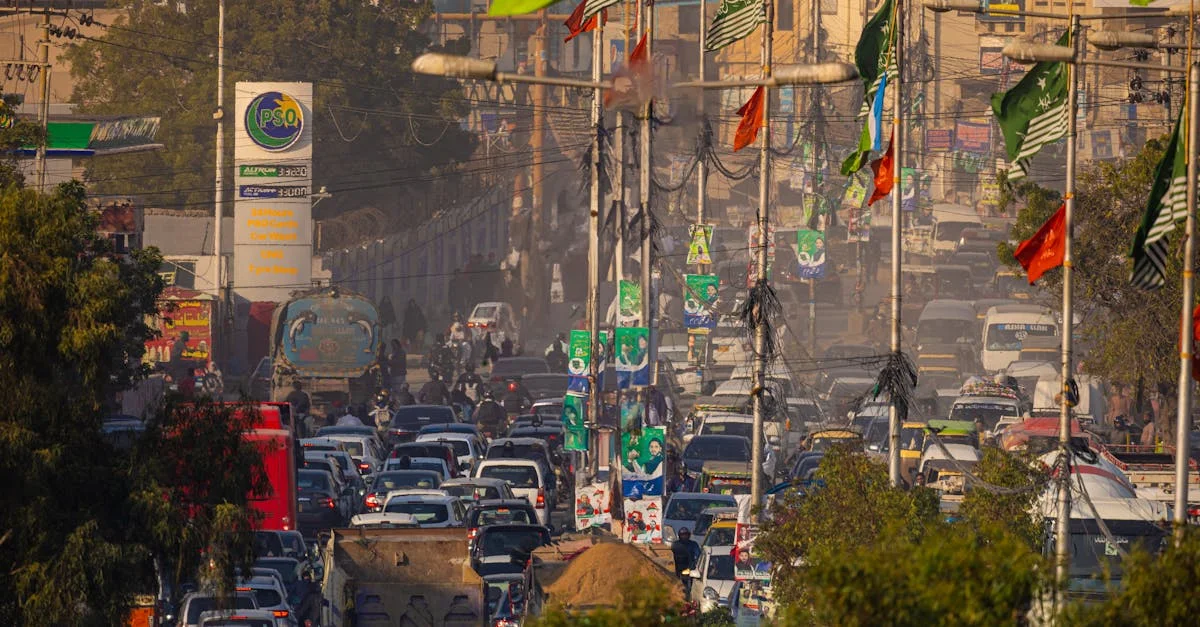
The diplomatic atmosphere in Islamabad has reached a fever pitch as US envoys Jared Kushner and Steve Witkoff prepare to arrive in the Pakistani capital, just hours after Iranian Foreign Minister Abbas Araghchi touched down. While the Iranian Foreign Ministry has officially denied any planned direct meetings with American representatives, the timing and location suggest a carefully orchestrated backchannel effort. Sources indicate that Araghchi may be carrying a formal written response to a recent US proposal aimed at de-escalating the 57-day-old conflict. This move represents a significant shift in the Trump administration's strategy, utilizing personal confidants of the President rather than traditional State Department channels, a trend highlighted by Secretary of State Marco Rubio’s notable absence from the traveling party.
For Pakistan, playing host to these shadow negotiations places it at the center of global geopolitics. The stakes could not be higher; a breakthrough in Islamabad could lead to a ceasefire or at least a temporary suspension of hostilities in the Persian Gulf. However, the internal pressure within Iran remains intense, with spontaneous public rallies like the "Jaan Fada" campaign in Rasht underscoring a domestic sentiment of defiance. The outcome of these talks will likely determine the trajectory of global energy prices and regional stability for the remainder of 2026, as the world watches whether Kushner’s personal brand of diplomacy can succeed where formal institutions have struggled.

Transatlantic Frictions: The Falklands and the Price of Dissent
A dramatic rift has opened between the United States and its closest ally, the United Kingdom, over the latter's reluctance to fully commit to the war effort against Iran. A leaked internal Pentagon memo has sent shockwaves through Downing Street, suggesting that the Trump administration should reassess its long-standing support for British sovereignty over the Falkland Islands. The memo explicitly links this potential policy shift to the UK's "lack of support" for US military operations in the Middle East. This transactional approach to historic alliances marks a radical departure from decades of NATO solidarity and has forced a defensive response from Number 10, which continues to insist that British sovereignty over the islands is non-negotiable.
This development illustrates the immense pressure the Trump administration is exerting on its partners to fall in line with its regional objectives. The threat to withdraw support for the Falklands is seen by analysts as a warning shot to other European allies who have voiced concerns over the humanitarian and economic costs of the Iran war. As relations between Washington and London sour, the geopolitical map of the South Atlantic could be inadvertently redrawn by a conflict taking place thousands of miles away in the Strait of Hormuz. The situation highlights a new era of "America First" diplomacy where even the most sacred alliances are subject to review based on immediate strategic compliance.
---
Silicon Valley at the Barricades: AI Regulation and Corporate Accountability
The tech world is currently grappling with a dual crisis of ethics and regulation. OpenAI CEO Sam Altman has issued a rare public apology following the company's failure to alert Canadian law enforcement about a user whose account was suspended for "abusive behavior" shortly before they committed a mass shooting in British Columbia. While OpenAI’s automated systems flagged the risk, the lack of a protocol for legal referral has sparked a global debate on the responsibility of AI giants. Altman's contrition comes at a time when the public is increasingly wary of the power held by a handful of tech executives over societal safety and the flow of information.
Simultaneously, the US Department of Justice has taken a controversial stand by intervening in a Colorado lawsuit on behalf of Elon Musk’s xAI. The DOJ argues that state-level regulations on artificial intelligence violate the 14th Amendment’s equal protection clause, asserting that only a federal framework should govern the industry. This move signals a massive push by the Trump administration to deregulate the AI sector, favoring rapid development over localized safety constraints. By siding with xAI against state authorities, the federal government is setting the stage for a constitutional showdown that will define how much power individual states have to curb the influence of Silicon Valley’s most powerful entities.
---
Market Pulse: Gold Gains Ground Amid Diplomatic Uncertainty
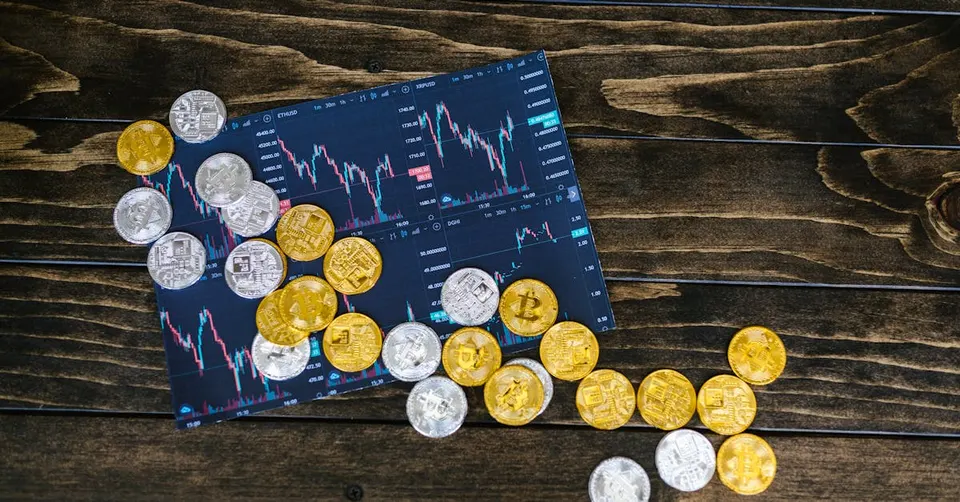
Financial markets in Tehran and across the globe are holding their breath as the Islamabad talks commence. In the local Iranian market, the USD/IRR remains stable at 154,050 Toman, showing no change over the last 24 hours as traders await a clear signal from the diplomatic front. However, the Emami gold coin has seen a slight uptick, rising from 176,000,000 to 177,000,000 Toman, a 0.6% increase that reflects a cautious hedge against potential volatility. Gold 18k per gram remains unchanged at 17,728,888 Toman, while the global price of gold sits at a staggering $4,710.80 per ounce, underscoring the metal's role as the ultimate safe haven in an era of unprecedented geopolitical risk.
The stability of the dollar in Tehran, despite the looming threat of further sanctions on Iran’s "shadow fleet," suggests that the market may have already priced in the current level of tension. The Treasury Department’s recent targeting of independent Chinese refineries buying Iranian oil has yet to cause a significant spike in the open market rate, but the situation remains fragile. Investors are looking toward the end of the weekend for a definitive direction; if the Islamabad talks yield even a hint of a roadmap for peace, we could see a rapid cooling of gold prices. Conversely, any sign of failure will likely push the Emami coin and the USD to new record highs as the reality of a prolonged conflict sets in.
Frequently Asked Questions
Why is the US threatening to withdraw support for the UK over the Falkland Islands?
Are direct talks happening between Iran and the US in Islamabad?
Why did Sam Altman apologize regarding the Canada shooting?
How has the Iranian market reacted to the diplomatic news in Pakistan?
How Economic Sanctions Shape Iran’s Currency: The USD/IRR Exchange Rate Explained
Economic sanctions are tools that governments use to pressure a target country by restricting its access to international finance, trade, and investment. While they are often aimed at changing political behavior, sanctions also have profound spill‑over effects on a nation’s macro‑economy, especially its currency. By cutting off sources of foreign currency—most notably oil revenues—sanctions can create a chronic shortage of hard money, which forces the local currency to depreciate.
Since the early 2000s, the United States has imposed a series of layered sanctions on Iran, intensifying after the 2018 U.S. withdrawal from the JCPOA (Joint Comprehensive Plan of Action). These measures have frozen Iranian assets abroad, barred Iranian banks from the SWIFT system, and limited oil exports. The loss of export earnings dramatically reduces the supply of dollars and euros in Iran’s foreign‑exchange market, putting downward pressure on the rial.
The Central Bank of Iran (CBI) attempts to manage the shortfall by intervening in the market, setting an official rate while a parallel “free market” rate emerges. When demand for dollars outstrips supply, the free‑market rate can diverge sharply from the official one, leading to a dual‑exchange‑rate system. This volatility erodes purchasing power, fuels inflation, and makes pricing of domestic goods—such as the popular Emami coin in toman—highly unpredictable.
In April 2026, renewed regional tensions and a renewed U.S. stance on Iran’s missile program have sharpened the sanctions regime. The resulting uncertainty has pushed the USD/IRR rate to historic lows, prompting businesses and households to seek alternative stores of value, including cryptocurrencies and foreign‑currency accounts abroad. Understanding how sanctions translate into exchange‑rate dynamics helps investors and policymakers anticipate inflationary pressures and the potential impact of any future sanctions relief.
Key indicators to watch include the CBI’s official rate, the free‑market rate reported by Tehran’s exchange bureaus, and IMF assessments of Iran’s balance‑of‑payments position. A gradual easing of sanctions—often tied to diplomatic breakthroughs—could stabilize the rial, but any escalation in the Iran‑U.S. conflict is likely to deepen the currency’s weakness.