Islamabad Standoff: Envoys Converge as US Strikes Iranian Oil 'Oxygen' in China
بنبست دیپلماتیک در اسلامآباد؛ فشار حداکثری واشنگتن بر شریانهای نفتی ایران در چین
As US and Iranian representatives arrive in Pakistan for high-stakes proximity talks, Washington has intensified the economic war by sanctioning major Chinese refineries. Meanwhile, a leaked memo reveals the Trump administration is pressuring the UK to support the war effort by threatening its claim over the Falkland Islands.
At time of publishing
USD
154,050
Toman
Gold 18K
17.68M
Toman / gram
The Islamabad Proximity: Diplomacy Without Dialogue
As the conflict enters its 57th day, the diplomatic focus has shifted to Islamabad. Iranian Foreign Minister Abbas Araghchi has landed in the Pakistani capital, followed closely by US envoys Steve Witkoff and Jared Kushner. Despite the physical proximity of the delegations, the Iranian Ministry of Foreign Affairs has been quick to dampen expectations of a breakthrough, stating explicitly that no direct negotiations with the American representatives are planned. Pakistan, playing the role of a crucial regional mediator, finds itself hosting two opposing sides that refuse to sit in the same room, yet are clearly there to test the waters for a potential de-escalation.
This "proximity talk" format suggests that Pakistani officials will be shuttling between hotels, relaying messages and red lines. For Tehran, the presence of Araghchi signifies a willingness to engage through intermediaries, but the domestic political climate remains firm against direct concessions. The stakes are immense; while the US seeks a cessation of regional hostilities on its terms, Iran is looking for immediate relief from the crushing blockade that has defined this war. The outcome of these indirect exchanges could determine whether the conflict enters a seasonal stalemate or escalates into a broader regional conflagration.

Cutting the Oxygen: US Targets Chinese 'Teapots'
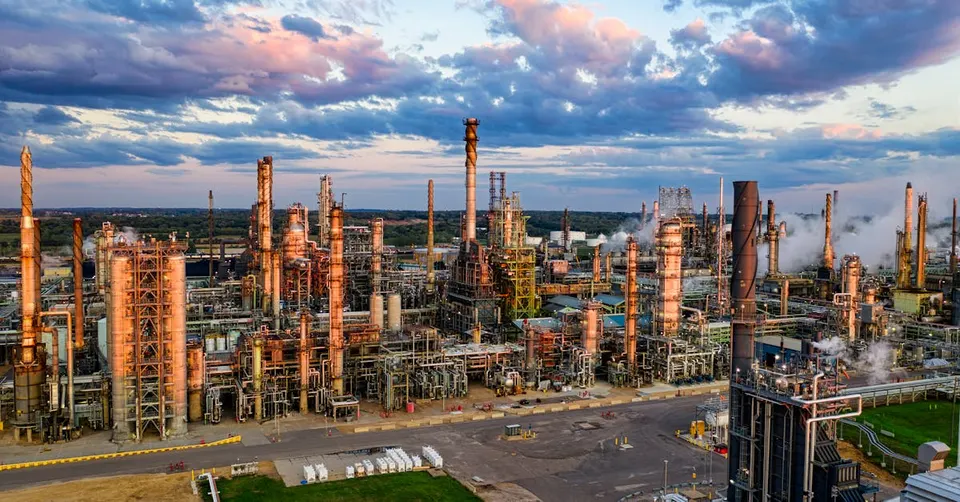
In a move designed to coincide with the diplomatic pressure in Pakistan, the US Treasury has announced a new round of sanctions targeting China’s independent "teapot" refineries. Specifically, the Hengli refinery has been singled out for allegedly processing hundreds of millions of dollars worth of Iranian crude oil that fuels the country's military budget. By targeting these smaller, independent players in the Chinese market, Washington is attempting to close the last remaining loopholes in the global oil embargo. This is a direct strike at what Iranian Parliament Speaker Mohammad Bagher Ghalibaf recently called the "financial frontline" of the war.
Responding to these maneuvers, Ghalibaf emphasized that Iran views the current struggle not just as a kinetic war, but as a total financial conflict. He asserted that economic resistance is the only viable path to weakening American influence in the region. The impact of these sanctions is already being felt on the ground; reports from Iran’s borders show a desperate trade in basic goods like cooking oil, as the currency's stability remains under immense pressure. The strategy of the Trump administration is clear: use the threat of total economic collapse to force a favorable diplomatic settlement in Islamabad.
Transatlantic Friction: The Falklands as a Bargaining Chip
A startling development in global geopolitics emerged today following a leaked Pentagon memo, which suggests that the Trump administration is reconsidering its support for British sovereignty over the Falkland Islands. The memo indicates that this shift is a direct response to the UK’s perceived lack of enthusiasm for the ongoing war effort against Iran. This transactional approach to long-standing alliances has sent shockwaves through London, forcing 10 Downing Street to issue a stern rebuttal. The British government remains adamant that its position on the Falklands is non-negotiable, yet the pressure from Washington highlights the growing isolation of allies who do not fully align with the current US Middle East policy.
This development illustrates the "with us or against us" doctrine that has come to define the second Trump term. By leveraging unrelated territorial disputes, the US is signaling that the cost of diplomatic neutrality or dissent regarding the Iran conflict will be high, even for its closest partners. For the UK, this presents a nightmare scenario: supporting a deeply unpopular war or risking the security of its overseas territories. As the US military continues to carry out strikes in the Pacific and Middle East, the diplomatic architecture of the post-WWII era is being tested like never before.
Market Snapshot: Gold Volatility and Currency Stability
On the domestic front, the Iranian markets are reflecting the high-tension environment of the Islamabad talks. The US Dollar (USD) remains pegged at a sell rate of 154,050 Toman, showing no change (0.0%) over the last 24 hours. This stability is largely seen as the result of heavy central bank intervention rather than market confidence. Investors are holding their breath, waiting for any signal from the diplomatic front that might suggest a shift in the status quo. Meanwhile, the price of gold has shown divergent trends; while 18-karat gold fell slightly to 17,677,408 Toman per gram (-0.3%), the Emami coin rose to 177,000,000 Toman (+0.6%).
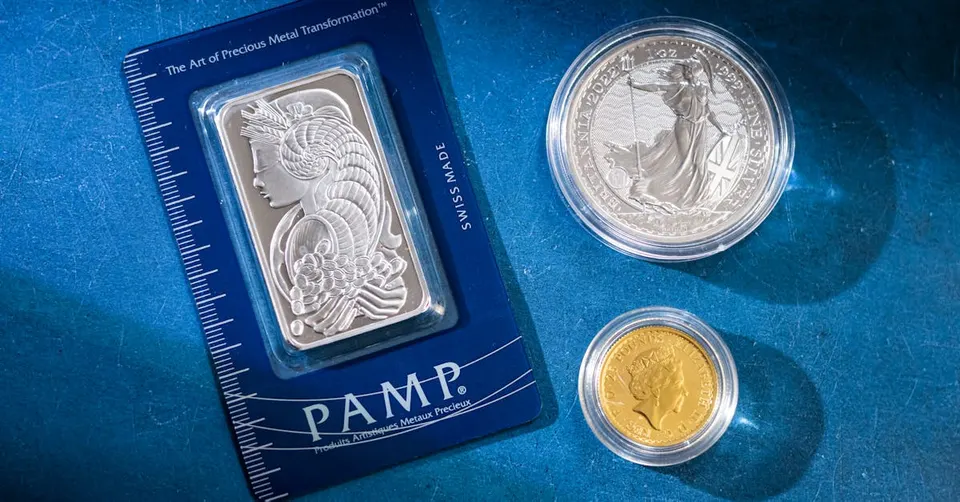
Globally, gold continues to serve as the ultimate safe haven, with the international ounce price sitting at a staggering $4,710.80. This historic high reflects the deep uncertainty surrounding the potential for further escalation in the Middle East and the risk of the conflict spilling into vital shipping lanes. As the International Chamber of Shipping calls for the release of crews captured by both US and Iranian forces, the commercial risks of the war are becoming baked into every asset class. For the average Iranian, the disconnect between global gold highs and the local cost-of-living crisis remains the most pressing reality of this 57-day-old war.
Frequently Asked Questions
Are the US and Iran holding direct talks in Pakistan?
Why is the US sanctioning Chinese 'teapot' refineries now?
What is the significance of the leaked Pentagon memo regarding the Falkland Islands?
Why is the price of gold coins rising in Iran while 18k gold is falling?
Understanding Secondary Sanctions: The US Strategy Against Iran's Oil Trade
When headlines speak of the US 'striking Iranian oil oxygen in China,' they often refer to the powerful, yet controversial, tool of secondary sanctions. Unlike primary sanctions, which directly prohibit a country's own citizens and entities from engaging in trade with a sanctioned nation, secondary sanctions extend their reach to third-party actors. These are measures that target individuals or entities in other countries for doing business with the primary sanctioned target.
The mechanism of secondary sanctions is designed to create a dilemma for international businesses: either trade with the sanctioned country and face penalties from the sanctioning power (e.g., the US), or cease trade with the sanctioned country to maintain access to the sanctioning power's market and financial system. In the context of Iranian oil, this means that while the US cannot directly dictate China's trade policies, it can impose penalties on Chinese companies, banks, or even individuals who facilitate the purchase of Iranian oil. This effectively makes it harder for Iran to sell its oil, even to willing buyers, by increasing the risk and cost for intermediaries.
This extraterritorial application of law is a significant point of contention in international relations. Critics argue that secondary sanctions infringe upon the sovereignty of other nations and disrupt global trade flows, forcing countries to align with the sanctioning state's foreign policy objectives. However, proponents view them as an essential tool for increasing pressure on regimes that are deemed to be engaged in illicit activities, especially when direct primary sanctions prove insufficient to achieve policy goals. The targeting of entities like the Hengli refinery for processing Iranian oil exemplifies this strategy, aiming to choke off Iran's vital oil revenues by cutting off its key markets and financial channels.
Understanding secondary sanctions is crucial for grasping the complexities of contemporary geopolitical conflicts and economic statecraft. They represent a powerful lever in international diplomacy, capable of reshaping trade relationships and influencing the economic stability of nations far beyond the immediate parties involved.