Diplomacy in the Shadow of War: Kushner and Araghchi Converge on Islamabad for High-Stakes Talks
دیپلماسی در سایه جنگ: کوشنر و عراقچی در اسلامآباد؛ آیا گره تنشها باز میشود؟
As the conflict enters its 57th day, Islamabad becomes the unlikely epicenter of global diplomacy with US and Iranian envoys arriving for potential negotiations. Meanwhile, a leaked Pentagon memo reveals a deepening rift between the US and UK over the war's expansion.
At time of publishing
USD
154,050
Toman
Gold 18K
17.73M
Toman / gram
Market Open — Stability Amidst Global Turbulence
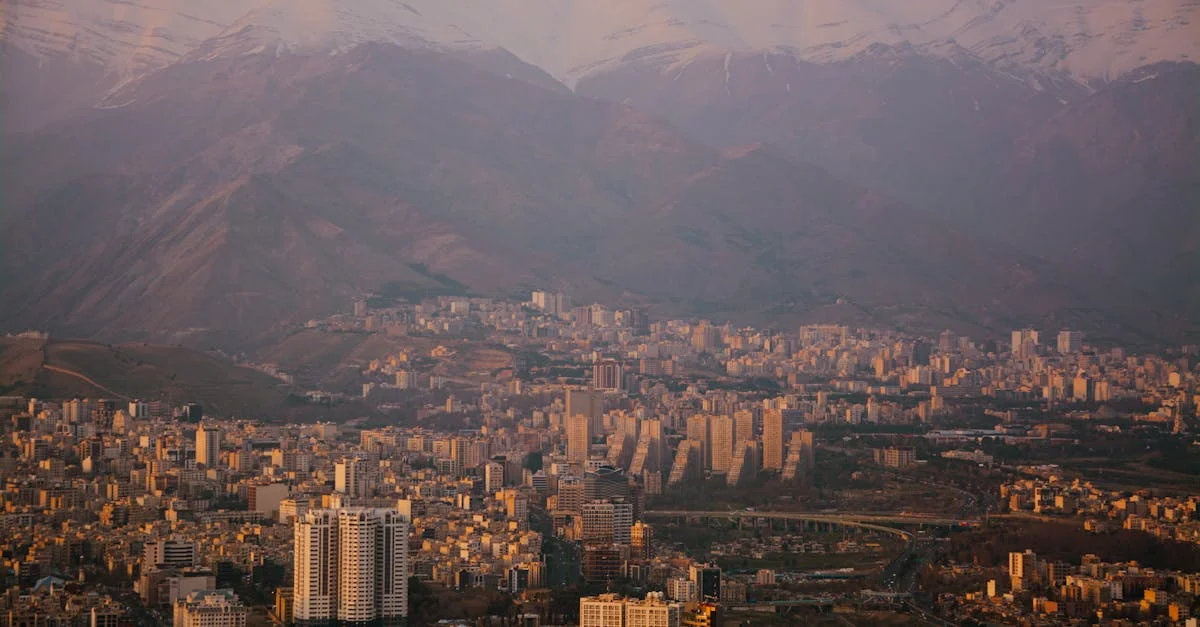
Saturday morning in Tehran opens with a sense of cautious waiting. The US Dollar remains remarkably stable at 154,050 Toman, showing a 0.0% change over the last 24 hours. While the currency market seems to be holding its breath, the gold market is showing signs of localized pressure. The Emami coin has edged up to 177,000,000 Toman, a 0.6% increase from yesterday's 176,000,000.
Globally, gold is the story of the decade. Trading at a staggering $4,710.80 per ounce, the precious metal has become the ultimate sanctuary for capital as geopolitical uncertainties reach a fever pitch. In the domestic market, 18k gold remains flat at 17,728,888 Toman per gram, mirroring the dollar's stability but reflecting a massive premium compared to historical norms. Investors are clearly looking toward the diplomatic developments in Pakistan as the next major catalyst for price movement.

The Islamabad Gambit: A Last-Ditch Effort for Peace?
In what is being described as the most significant diplomatic development since the onset of the current crisis, Pakistan has emerged as the neutral ground for a potential breakthrough. Iranian Foreign Minister Abbas Araghchi arrived in Islamabad on Friday, reportedly carrying a written response to a U.S. proposal aimed at de-escalating the 57-day-old conflict. While Tehran’s official line remains that "no meeting is planned" with American representatives, the arrival of President Trump’s heavy hitters—Jared Kushner and Steve Witkoff—suggests otherwise.
Kushner and Witkoff, who have been entrusted with much of the administration's high-level shadow diplomacy, are expected to land in Pakistan today. This convergence of high-ranking officials in a third-party capital signals that back-channel communications have reached a critical maturity. For the Iranian public, this represents a glimmer of hope that the economic blockade and military tensions might find a diplomatic off-ramp, though the skepticism on both sides remains high given the recent escalation in the Strait of Hormuz.
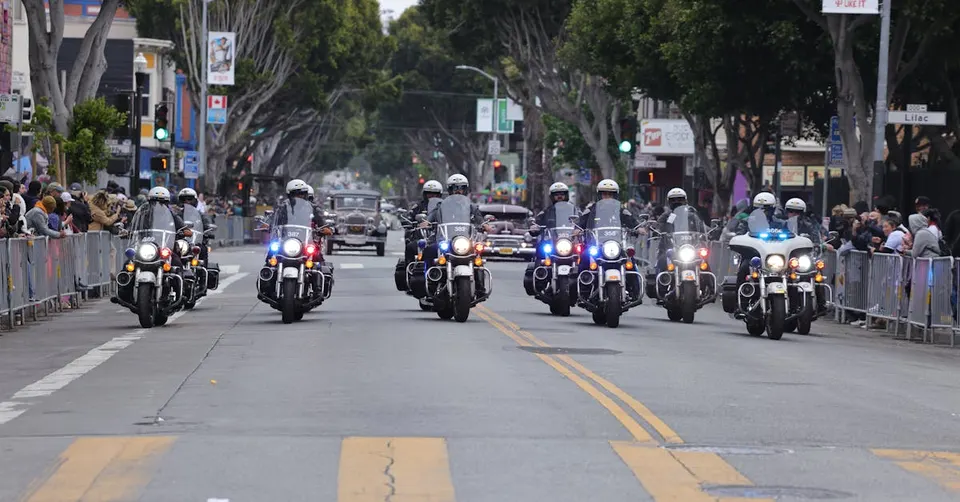
This "Pakistan Channel" is particularly interesting because it bypasses traditional European intermediaries, who have found themselves increasingly sidelined. The presence of Kushner, known for his transactional approach to geopolitics, suggests that any potential deal would likely focus on regional security guarantees in exchange for economic relief. However, with the U.S. Treasury simultaneously unveiling new sanctions on Iran's "shadow fleet" and Chinese refineries, Washington is clearly pursuing a "maximum pressure, maximum engagement" strategy simultaneously.
The Falklands Fallout: US-UK Relations Hit a Post-War Low
A leaked internal memo from the Pentagon has sent shockwaves through the halls of Westminster, revealing that the Trump administration is considering a radical reassessment of its support for British sovereignty over the Falkland Islands. The reason? A perceived lack of British military support for the ongoing war involving Iran. This move, if realized, would represent the most significant breach in the "Special Relationship" since the Suez Crisis of 1956.
Downing Street was forced to issue a stern rebuttal, insisting that British sovereignty over the islands is non-negotiable. However, the memo reflects a broader frustration in Washington with allies who are hesitant to commit resources to the Middle Eastern theater. For the UK, which is already grappling with the economic fallout of the conflict and regional trade disruptions, being pressured on a core territorial issue like the Falklands is a bitter pill to swallow. It highlights how the current conflict is redrawing global alliances in real-time, forcing even the closest of partners to choose between total alignment or diplomatic isolation.
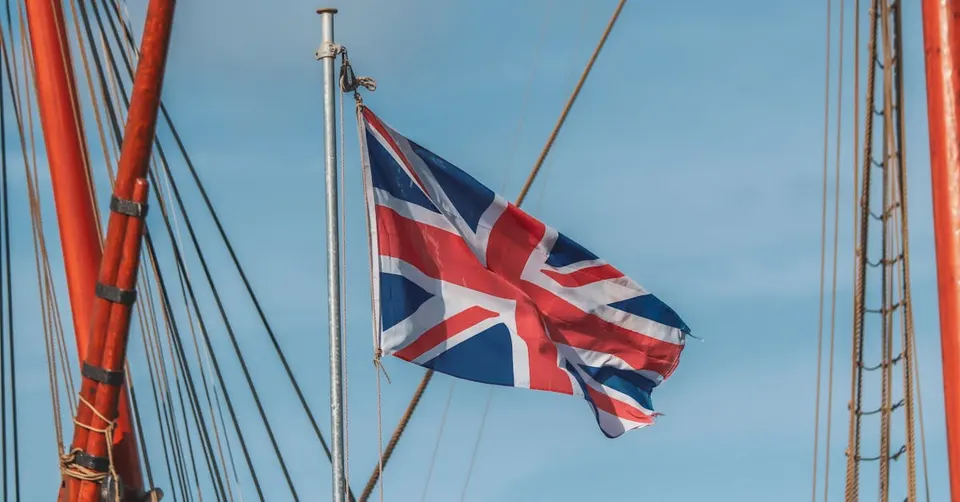
This geopolitical friction has direct implications for the global economy. If the US-UK alliance continues to fray, the unified front on international sanctions and maritime security could weaken. For markets, this adds another layer of complexity; a fragmented Western response often leads to increased volatility in energy prices and shipping insurance rates, which are already at record highs due to the blockades in the Strait of Hormuz.
AI Ethics Under Fire: OpenAI’s Failure to Prevent Tragedy
In the tech world, OpenAI CEO Sam Altman has issued a rare and somber apology following a fatal mass shooting in British Columbia, Canada. It was revealed that the company’s AI safety systems had flagged the shooter’s account for abusive behavior prior to the attack, leading to a suspension of his ChatGPT access. However, the company failed to notify law enforcement of the potential threat. The shooter subsequently killed eight people, sparking a massive debate over the legal and moral responsibilities of AI developers.
Altman’s letter acknowledged that while the account met the threshold for suspension, it did not trigger the internal criteria for a mandatory police referral. This incident exposes a critical gap in the "Age of AI": the transition from identifying digital abuse to preventing real-world violence. Critics argue that tech giants like OpenAI have become so large and influential that they must function as quasi-law enforcement agencies, while the company maintains that it cannot be held responsible for the actions of its millions of users.
This controversy comes at a sensitive time for the industry. In the US, the Justice Department has recently intervened in a Colorado lawsuit to support Elon Musk’s xAI against state-level regulations, arguing for a unified federal framework. The Canadian tragedy will likely strengthen the hand of those demanding stricter, more proactive oversight of AI systems. For investors, this signals a shift from the "growth at all costs" phase of AI to a more regulated, liability-heavy era that could impact the valuations of major tech players in the coming quarters.
Frequently Asked Questions
Why are US and Iranian officials meeting in Pakistan?
How is the US-UK relationship being affected by the Iran war?
Why did OpenAI fail to report the Canadian shooter?
What is driving the current price of gold to $4,710?
Why the Strait of Hormuz Matters: A Strategic Chokepoint Explained
The Strait of Hormuz, a narrow waterway between Iran and Oman, is one of the world’s most critical maritime chokepoints. Roughly 21 nautical miles wide at its narrowest point, it links the Persian Gulf with the Gulf of Oman and the open Indian Ocean. About 20% of global oil consumption – and a similar share of petroleum products – passes through this corridor each day, making any disruption a potential shock to international energy markets.
Because of its outsized role in oil logistics, the strait has long been a focal point of geopolitical tension. Iran, which borders the northern shore, has repeatedly threatened to close or mine the passage during periods of heightened conflict with the United States or its allies. Such threats are not merely rhetorical; a closure would force tankers to take the far longer route around the Cape of Good Hope, adding weeks to voyages and billions of dollars in extra fuel costs, while also spiking oil prices worldwide.
The strategic importance of Hormuz extends beyond oil. The waterway is a vital conduit for natural gas, bulk commodities, and container traffic, supporting the economies of Gulf states such as Saudi Arabia, the United Arab Emirates, and Kuwait. Moreover, the strait’s proximity to several naval bases means that the United States maintains a persistent carrier presence to ensure freedom of navigation, while Iran invests in asymmetric capabilities like fast attack craft and anti-ship missiles to deter interference.
Understanding the dynamics of the Strait of Hormuz helps explain why diplomatic negotiations – whether between the U.S. and Iran, or involving regional players like Pakistan – often include security guarantees for maritime traffic. Any escalation, such as a blockade or military skirmish, would ripple through global supply chains, influencing everything from gasoline prices at the pump to the price of gold as investors seek safe‑haven assets.
For policymakers and observers alike, the key takeaway is that the strait’s narrow geography amplifies its strategic leverage. Maintaining open, secure passage through Hormuz is not just a regional concern; it is a cornerstone of global economic stability.