Oil Hits $100 as UK Convenes 'Cobra' Emergency Meeting; Iran Proposes Hormuz De-escalation Deal
نفت ۱۰۰ دلاری و تشکیل جلسه اضطراری کبرا در لندن؛ پیشنهاد تهران برای بازگشایی هرمز در ازای لغو محاصره
Global energy markets are in turmoil as Brent crude surpasses $100 following the cancellation of US-Iran peace talks. While the UK government prepares for economic fallout, Tehran has reportedly offered to end its maritime chokehold in exchange for a lift on the US blockade.
At time of publishing
USD
158,950
Toman
Gold 18K
18.22M
Toman / gram
Bitcoin
$77,806
US Dollar
Tether
15,787.7
Toman
The Economic War Room: UK Braces for Impact
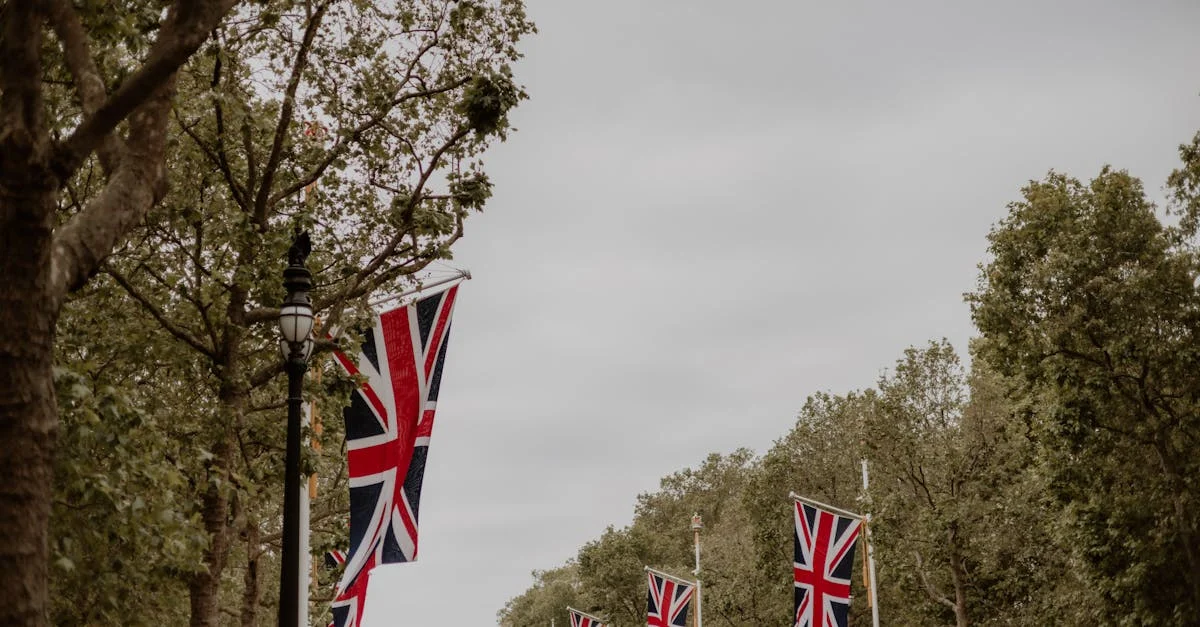
British Prime Minister Keir Starmer is set to chair a high-level meeting of the Cobra emergency committee tomorrow, specifically targeting the "economic fallout" of the ongoing conflict involving Iran. This move signals a significant escalation in how Western powers perceive the longevity of the current regional crisis. For the average observer, a Cobra meeting is reserved for national emergencies, and its focus on economic consequences suggests that the UK government anticipates severe disruptions to global supply chains and energy pricing that could last well into the summer.
For Iranian markets, this high-level concern in London is a harbinger of continued volatility. When major economies begin preparing for a "war economy" footing, it often leads to a strengthening of the US Dollar as a safe-haven asset. Locally, we are already seeing this reflected in the numbers: the USD/IRR exchange rate has climbed from 157,750 to 158,950 (+0.8%) within the last 24 hours. The UK's focus on energy bill caps until July further underscores the fear that energy-driven inflation is far from over, a sentiment that is directly fueling the 1.8% surge in domestic gold prices today.

The $100 Oil Threshold and the Hormuz Gambit
Global energy markets have crossed a psychological and economic Rubicon as Brent crude futures topped $100 per barrel this morning. The spike was triggered by the sudden cancellation of peace talks involving US intermediaries Jared Kushner and Steve Witkoff, who were reportedly told not to travel to Pakistan for negotiations. The collapse of these diplomatic channels has immediately removed the "peace premium" from the market, leaving traders to price in the risk of prolonged maritime disruptions.
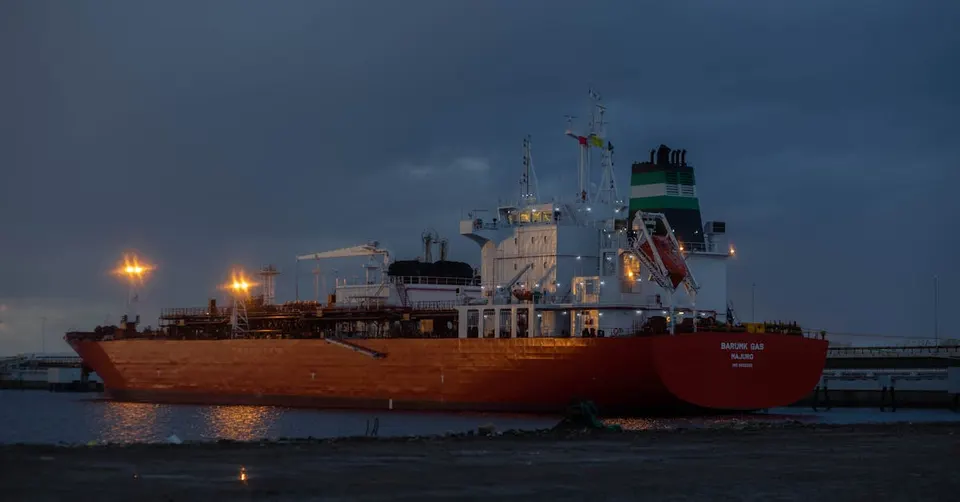
However, a potential breakthrough—or at least a strategic pivot—is emerging from Tehran. Reports suggest that Iran has offered to end its tactical "chokehold" on the Strait of Hormuz. The catch, predictably, is a demand for the United States to end its own naval blockade. This proposal puts the ball back in Washington's court, but the market remains skeptical. The physical reality of restricted shipping in the world's most vital energy artery is what keeps the Toman under pressure, as the cost of imports rises and the reliability of export revenue remains in question.
China’s Cracks and the Domestic Market Reality
Perhaps the most concerning development for Iran’s long-term economic strategy is the news that China’s manufacturing-based economy is beginning to show visible "cracks" due to the war. As Iran's primary trade partner and a major buyer of its energy products, a slowdown in Chinese industrial output directly translates to reduced demand for Iranian crude. While China has used its strategic reserves to cushion the initial blow, the sustained high price of energy is starting to erode its manufacturing margins, which could lead to a broader regional economic cooling.
In Tehran, this global instability is driving a flight to hard assets. Gold 18k has jumped to 18,217,138 Toman per gram, a 1.8% increase that outpaces the currency's devaluation. This suggests that the public is not just hedging against the Toman, but against a global inflationary spike. The Emami coin has also seen a 1.1% rise to 177,500,000 Toman. As long as the diplomatic vacuum persists in Washington—exacerbated by the recent security crisis at the White House Correspondents’ Dinner—the path of least resistance for both gold and the dollar remains upward.
Frequently Asked Questions
Why did the UK call a Cobra meeting regarding the Iran war?
What are the conditions of Iran's proposal to end the Hormuz chokehold?
How is the cancellation of Jared Kushner's trip affecting oil prices?
Why is the Chinese economy showing 'cracks' from the conflict?
Why the Strait of Hormuz Matters for Oil Prices
The Strait of Hormuz is a narrow waterway that connects the Persian Gulf with the open ocean, and it serves as the single most critical chokepoint for global oil shipments. Roughly 20% of the world’s petroleum – including a large share of the United Kingdom’s Brent crude and the United States’ WTI – passes through this 21‑mile‑wide channel each day. Because the route is so tight, any threat of a blockade, military confrontation, or even a brief technical incident can instantly tighten global supply, sending oil prices soaring, as we saw in April 2026 when Brent cracked the $100 per barrel mark.
The strategic importance of Hormuz stems not only from the volume of oil but also from the geopolitical stakes. Iran, which borders the strait, has repeatedly used the threat of closing the passage as leverage in negotiations, while the United Kingdom’s emergency “Cobra” committee – a cross‑government crisis response body – convenes whenever the risk of disruption spikes. Such high‑level coordination underscores how a regional dispute can ripple through world markets, affecting everything from the price of gold in Tehran to the exchange rate of the Iranian rial against the US dollar.
From an economic perspective, the strait exemplifies the concept of supply‑side risk in commodity markets. Traders price in a “risk premium” that reflects the probability of supply interruptions; when that premium widens, futures contracts jump, and spot prices follow. The April 2026 rally was amplified by Iran’s proposal for a de‑escalation deal, which temporarily eased tensions but also highlighted how fragile the balance is – any reversal could instantly re‑ignite the premium, pushing Brent back above $100 again.
Understanding Hormuz’s role helps investors, policymakers, and citizens alike grasp why seemingly distant diplomatic talks – whether involving Jared Kushner’s back‑channel peace efforts or China’s broader Middle‑East strategy – can have immediate repercussions on the price you pay at the pump. It also illustrates why diversified energy strategies, strategic petroleum reserves, and diplomatic engagement remain essential tools for stabilising the global economy.