Oil Giants Reap Record Profits Amid Iran Conflict as Global Tech Faces New Media Levies
سود افسانهای غولهای نفتی از تنشهای ایران؛ استرالیا علیه انحصار غولهای فناوری برمیخیزد
Energy giant BP reports a massive profit surge driven by geopolitical volatility in the Middle East, while Iran launches a multi-nation diplomatic tour to counter a tightening naval blockade. Meanwhile, global markets react to shifting inflation expectations and new regulatory battles in the tech sector.
At time of publishing
USD
159,950
Toman
Gold 18K
18.03M
Toman / gram
Bitcoin
$76,919
US Dollar
Tether
15,998.6
Toman
BP Profits Surge as Regional Conflict Redefines Energy Markets
In a stark illustration of how geopolitical instability can translate into corporate windfall, energy titan BP has announced that its profits more than doubled in the latest quarter. The company attributed this "exceptional" performance largely to its oil trading division, which capitalized on the volatility triggered by the ongoing conflict involving Iran. As the 'war premium' remains baked into global crude prices, BP and its peers are finding themselves in a position of immense financial strength, even as the global economy struggles with the inflationary pressures that these high energy costs produce. For the average consumer, this means that while the energy transition remains a long-term goal, the immediate reality is a world still tethered to the price fluctuations of fossil fuels in high-risk zones.
For Iran, the situation is a double-edged sword. While the surge in global prices theoretically increases the value of its exports, the tightening naval blockade mentioned by UN envoy Amir Saeid Iravani complicates the actual realization of these revenues. Iravani recently characterized US actions as "piracy" and "terrorism," highlighting the physical and economic barriers Iran faces in bringing its oil to market. This friction is a primary driver of the current market anxiety, where supply is perceived as fragile, and any further escalation in the Persian Gulf or the Strait of Hormuz could send prices even higher, further padding the balance sheets of global energy majors while squeezing the budgets of importing nations.
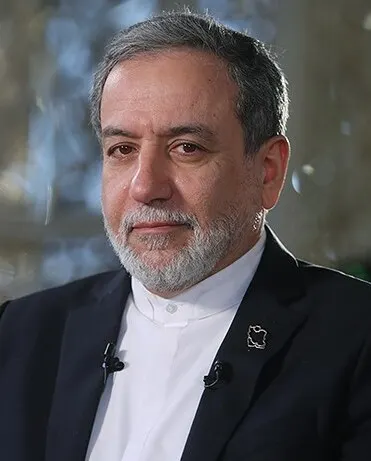
Diplomacy Under Pressure: Araghchi’s Regional Tour
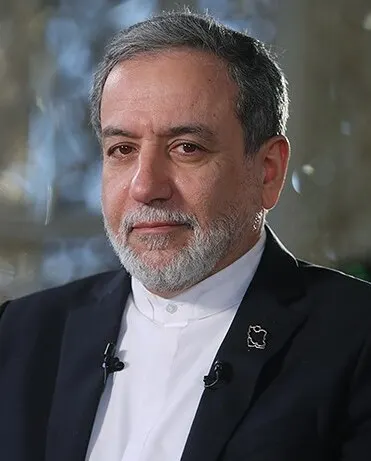
As the economic and military pressure mounts, Iranian Foreign Minister Abbas Araghchi has embarked on a high-stakes diplomatic mission covering Pakistan, Oman, and Russia. According to Ambassador Kazem Jalali, this tour is a strategic effort to uphold national interests and strengthen the Islamic Republic’s diplomatic position during one of its most challenging periods. The inclusion of Oman and Russia is particularly significant; Oman has historically served as a critical backchannel for communication with the West, while Russia remains a vital security and economic partner. This diplomatic offensive aims to secure regional support and potentially find cracks in the international sanctions regime that has hindered Iran’s economic growth.
Simultaneously, the regional landscape is shifting. Iraq’s National Security Council recently underscored a ban on using its territory to threaten neighboring states, a move clearly intended to de-escalate tensions and prevent Iraq from being dragged into the direct line of fire between Iran and its adversaries. This declaration is a crucial signal of Iraq's desire for neutrality, though the reality of cross-border influence remains complex. For Iranian market observers, these diplomatic movements are closely watched as they often precede shifts in currency sentiment; a successful diplomatic breakthrough could provide the breathing room the Toman needs to stabilize after months of intense pressure.
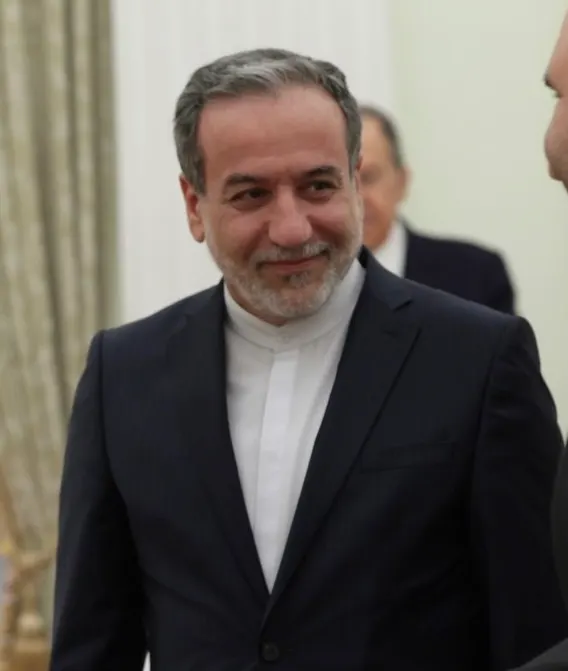
Executive Office, CC BY 4.0
The Global Tech Battle: Australia’s New Media Levy
Away from the oil fields, a different kind of war is being waged in the halls of government. Australian Prime Minister Anthony Albanese has introduced a draft news bargaining incentive scheme that would impose a 2.25% levy on the local revenues of tech giants like Meta, Google, and TikTok. The goal is to force these companies to pay for the news content that populates their platforms and drives user engagement. Meta has already pushed back, calling the government’s position "simply wrong," while Google has criticized the exclusion of AI platforms from the reform. This battle represents a growing global movement where sovereign states are attempting to reclaim economic value from digital monopolies that have historically operated with significant autonomy.
This regulatory trend has broader implications for the global economy and the flow of information. If Australia succeeds in enforcing this levy, it could serve as a blueprint for other nations—including those in the Middle East—to demand a larger share of the digital economy's profits. For investors, this adds a layer of regulatory risk to the tech sector, which is already facing headwinds from cooling AI demand and high interest rates. As the digital and physical worlds become increasingly intertwined, the ability of governments to tax and regulate borderless tech entities will be a defining economic theme of 2026.
Market Analysis: Gold and Currency Divergence
In the local Tehran markets, we are seeing a fascinating divergence between different asset classes. The US Dollar remains steady at a high sell rate of 159,950 Toman, showing a 0.0% change over the last 24 hours. This stability at an elevated level suggests that the market has priced in the current geopolitical risks but remains wary of any sudden news. Meanwhile, the price of 18k gold per gram has dropped by 1.1%, moving from 18,244,378 to 18,034,766 Toman. This decline likely reflects a combination of profit-taking by local investors and a reaction to global uncertainty regarding the US Federal Reserve’s next moves, as higher-for-longer interest rates continue to put pressure on non-yielding assets like gold.
Interestingly, the Emami coin has moved in the opposite direction, rising by 0.8% to reach 183,000,000 Toman. This suggests that while the raw value of gold is dipping, the demand for minted coins as a hedge against future volatility remains robust. Investors are effectively paying a higher premium for the liquidity and security that coins provide. As the global gold ounce sits at a staggering $4,630.80, the Iranian market is caught between global inflationary trends and local currency dynamics, making it a high-stakes environment for both retail and institutional traders.
Frequently Asked Questions
Why did BP's profits double specifically because of the Iran conflict?
What is the goal of Foreign Minister Araghchi's visit to Russia and Oman?
Why is Australia's new tech levy significant for the global market?
Why is the price of gold dropping in Iran while the Emami coin is rising?
Naval Blockades: How Sea‑Based Economic Warfare Shapes Oil Prices
A naval blockade is the deployment of warships to prevent vessels from entering or leaving a country's ports, effectively cutting off maritime trade. Under international law, blockades are considered an act of war and must be declared and enforced impartially, but modern powers sometimes use them as a tool of coercive diplomacy without a formal war declaration. The United States’ recent operations near Iran, including the interception of tankers suspected of carrying sanctioned oil, illustrate how a blockade can be leveraged to pressure a rival while also reshaping global commodity flows.
When a major oil‑exporting nation like Iran faces a blockade, the immediate effect is a reduction in the supply of crude reaching international markets. Because oil is a globally traded commodity, even a modest supply shock can trigger sharp price spikes. In 2026, the threat of a U.S. naval blockade coincided with record profits for BP and other majors, as tighter supplies pushed Brent crude above $100 per barrel. At the same time, investors often turn to gold as a safe‑haven asset, driving the gold price higher in April 2026. The interplay between reduced oil availability and heightened gold demand underscores how geopolitical risk propagates across asset classes.
Blockades also have secondary economic impacts. Countries dependent on oil revenues may experience fiscal shortfalls, prompting them to seek alternative financing, sometimes through illicit channels or intensified diplomatic outreach, such as the efforts of Iranian diplomat Abbas Araghchi. Moreover, the disruption can accelerate shifts in regional energy markets, prompting buyers to source oil from other Middle Eastern producers, thereby reshaping trade patterns and influencing long‑term contracts.
Understanding naval blockades is essential for grasping modern economic warfare. While they are a blunt instrument, their ripple effects—ranging from corporate earnings spikes to commodity price volatility—highlight the interconnectedness of security policy and global markets.